
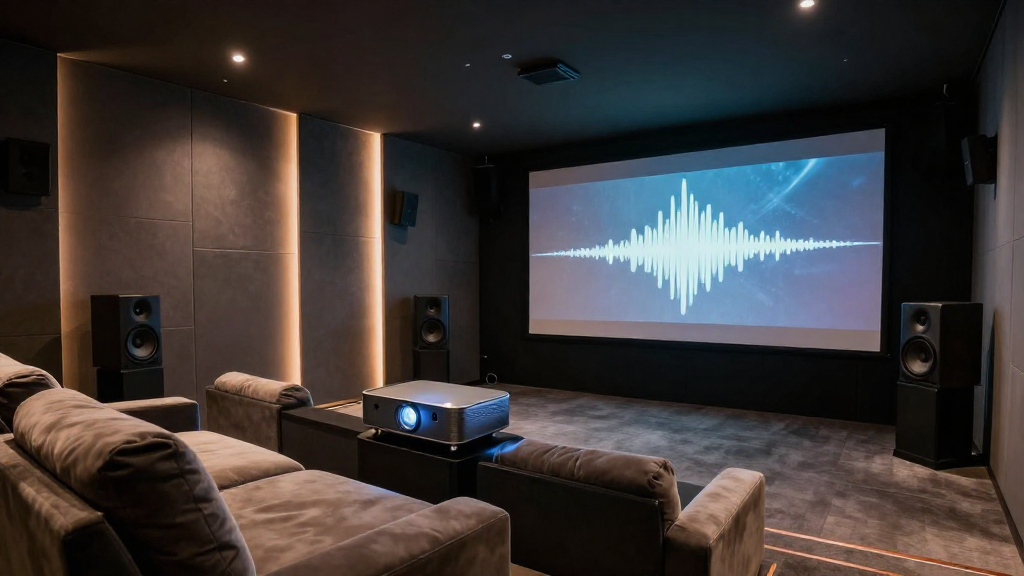
This article explains the concept of home theater height channels and their significance in creating an immersive audio experience.
What Are Height Channels?
Height channels refer to specific audio channels in home theater systems dedicated to producing sound from above the listener. This feature enhances the surround sound experience by adding vertical dimension to the audio. By incorporating height channels, audio systems can recreate sounds that occur overhead, simulating a more realistic environment.
How Do Height Channels Work?
Height channels work by utilizing specialized speakers or upfiring technology to direct sound upwards. These channels often work in conjunction with standard surround sound channels to create a three-dimensional audio field. The result is an enveloping sound experience that can make you feel like you are part of the action.
Types of Height Channels
There are primarily two types of height channels used in home theater systems:
- Dedicated Height Speakers: These are installed in the ceiling or high on the walls to provide a true overhead sound experience.
- Upfiring Speakers: These speakers are placed on top of existing speakers and project sound upwards, reflecting it off the ceiling to simulate height.
Why Are Height Channels Important?
Height channels are crucial for creating a more immersive audio landscape. Without them, audio experiences can feel flat and one-dimensional. By incorporating height channels, you can experience sounds like rain falling from above or helicopters flying overhead, enhancing the overall realism of movies and music.
How Do Height Channels Improve Audio Quality?
Height channels significantly improve audio quality by adding depth and space to the soundstage. They allow for a more accurate representation of how sounds naturally occur in the environment. This leads to a richer, fuller audio experience that can make content more engaging.
Enhanced Surround Sound Experience
With height channels, the surround sound experience is enhanced dramatically. Traditional surround sound systems can only deliver audio from the front, sides, and back. Height channels introduce the vertical element, creating a more realistic sound environment that immerses the listener.
Better Sound Localization
Height channels also improve sound localization, allowing listeners to pinpoint the direction of sounds more easily. This is particularly beneficial in action or horror genres, where spatial awareness can significantly affect the viewing experience. You will be able to identify where a sound is coming from, adding to the suspense and thrill.
Compatibility with Surround Sound Formats
Many modern audio formats, such as Dolby Atmos and DTS:X, are designed to take advantage of height channels. These formats allow sound designers to accurately place audio in a three-dimensional space, making full use of the vertical soundscape. Investing in height channels ensures you can experience these advanced audio formats to their full potential.
What Equipment Do You Need for Height Channels?
To effectively implement height channels in your home theater system, you will need specific equipment that supports this feature. Choosing the right components is essential for achieving the best sound experience possible.
AV Receiver
Your AV receiver must support height channels and be compatible with the audio formats you plan to use. Look for receivers that offer multiple HDMI inputs and support for Dolby Atmos or DTS:X, ensuring they can handle the additional audio channels.
Speakers
As discussed, you can choose between dedicated height speakers or upfiring speakers. Dedicated height speakers provide the most accurate sound reproduction, while upfiring speakers can be a more convenient solution if ceiling installation is not practical. Ensure that the speakers you choose are compatible with your AV receiver.
Speaker Placement
Proper speaker placement is crucial for maximizing the effectiveness of height channels. For dedicated speakers, they should ideally be mounted on the ceiling or high on the walls. If using upfiring speakers, make sure they are positioned correctly on top of your front speakers to effectively bounce sound off the ceiling.
Can You Upgrade an Existing Home Theater System?
If you already have a home theater system, you may wonder if you can easily upgrade to include height channels. The good news is that many systems can be upgraded without needing a complete overhaul.
Assess Your Current Equipment
Before making any upgrades, assess your current equipment. Check if your AV receiver supports height channels and if your existing speakers can accommodate additional units. This will help you determine what needs to be added or replaced.
Adding Height Speakers
If your AV receiver supports height channels, you can simply add dedicated height speakers or upfiring speakers to your existing setup. This is often the most straightforward way to enhance your audio experience without replacing your entire system.
Consider Sound Calibration
After adding height channels, it is essential to calibrate your sound system. Most AV receivers have built-in calibration tools that can help optimize speaker placement and balance the sound. Proper calibration ensures that the height channels function effectively, providing the best possible audio experience.
What Are the Best Practices for Using Height Channels?
To make the most out of your height channels, following best practices can significantly enhance your audio experience. These practices ensure that your system performs at its best and delivers immersive sound.
Optimize Room Acoustics
The acoustics of your room play a vital role in how sound is perceived. Using acoustic panels, rugs, and furniture can help absorb sound and reduce echo. This will improve the clarity and quality of the audio produced by your height channels.
Experiment with Placement
Don’t be afraid to experiment with the placement of your height speakers. Small adjustments can make a significant difference in audio quality. Try different positions and listen to how the sound changes to find the ideal setup for your room.
Regularly Update Your Equipment
As technology advances, regularly updating your equipment can help you stay current with the latest audio innovations. Upgrading your AV receiver or speakers when necessary ensures that you can take full advantage of new audio formats and features that enhance your home theater experience.