
The best high-speed memory card readers make it easier to move large photo, video, and audio files without waiting on slow transfers. The right model depends on your card format, computer ports, and the speeds your media can actually support.
This roundup compares 10 options ranging from compact USB-C adapters to multi-format readers built for SD, microSD, CompactFlash, CFexpress Type A, and CFexpress Type B cards.
Best 10 High Speed Memory Card Readers Picks for 2026
Versatile Speed Pick
Lexar 3-in-1 SD/microSD/CF Reader

- Supports three common card formats
- Reads SD and microSD at up to 312MB/s
- Includes USB-C and USB-A cable support
Best For: Multi-format photo and video workflows
Professional Throughput Pick
ProGrade CFexpress Type B & SD Reader
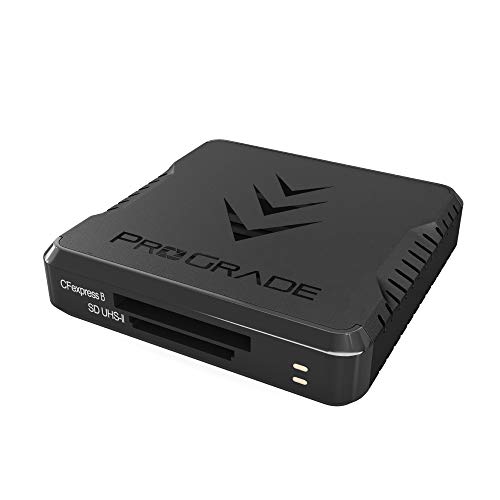
- Supports CFexpress Type B and SD UHS-II
- Reaches up to 10Gb/s over USB 3.2 Gen 2
- Transfers both cards simultaneously
Best For: High-volume professional media offloads
USB-C Convenience Pick
Lexar Dual-Slot SD/microSD Reader
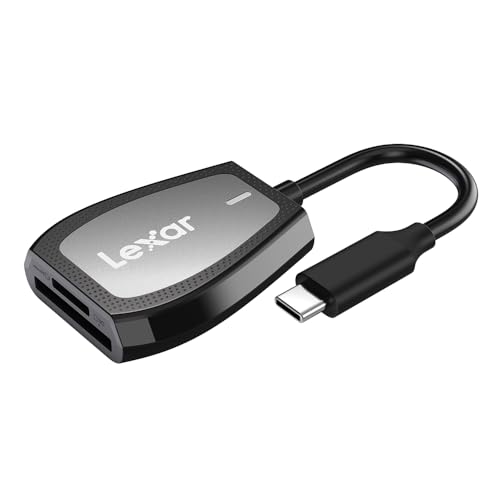
- Reads SD and microSD cards
- Reaches up to 312MB/s read speed
- Adds USB-C connectivity and LED status
Best For: USB-C laptops using SD or microSD media
CFexpress Type A Speed Pick
Lexar CFexpress Type A/SD Reader

- Supports CFexpress Type A and SD UHS-II
- Reaches up to 900MB/s for CFexpress Type A
- Includes USB-C-to-C and USB-C-to-A cables
Best For: Fast offloads from CFexpress Type A cameras
Best UHS-II Speed
UGREEN USB-C SD 4.0 Card Reader

- Up to 312MB/s with UHS-II cards
- Reads SD and microSD simultaneously
- Durable aluminum body and braided cable
Best For: Creators transferring large photo and video files
Best Multiport Option

- Dual card slots plus a USB 3.0 port
- Up to 5Gbps with compatible devices
- Compact aluminum design for travel
Best For: USB-C users needing card and peripheral connectivity
Best Format Coverage
SmartQ C368 USB 3.0 Card Reader

- Supports SD, microSD, MS, and CF cards
- USB 3.0 transfer speeds up to 5Gbps
- Plug-and-play with Windows, Mac, and Linux
Best For: Users managing multiple camera card formats
Compact USB-C Pick
Anker PowerExpand Dual-Slot Reader
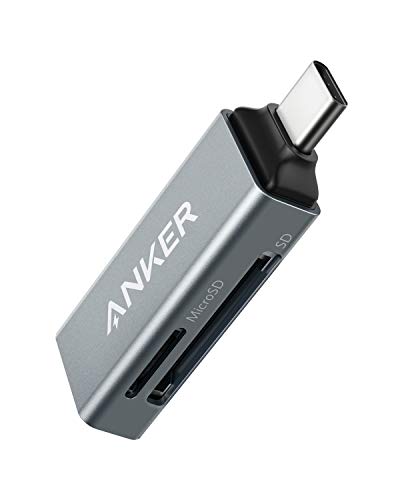
- USB-C transfer speeds up to 5Gbps
- Separate SD and microSD slots
- Compact 9g design with 18-month warranty
Best For: USB-C users needing a portable SD and microSD reader
Flexible Interface Choice
uni USB-C and USB-A Card Reader

- USB 3.0 and USB-C interfaces
- Up to 5Gbps transfer speeds
- Simultaneous SD and microSD access
Best For: Users transferring cards between USB-A and USB-C devices
Dual-Port Travel Option
Acer ODK4E0 Memory Card Reader

- USB-A and USB-C connections
- Simultaneous SD and microSD transfers
- Compact aluminum design with one-year warranty
Best For: Traveling creators using both USB-A and USB-C devices
Versatile Speed Pick – Lexar 3-in-1 SD/microSD/CF Reader
The Lexar Multi-Card 3-in-1 is a practical choice among high speed memory card readers when you need support for SD, microSD, and CompactFlash cards. With transfer rates up to 312MB/s for SD and microSD and up to 160MB/s for CompactFlash, it offers broad compatibility for desktops and laptops.
Best For: Photographers and creators who work with several card formats and want one compact USB reader.
Pros:
- Supports SD, microSD, and CompactFlash cards.
- Offers speeds up to 312MB/s for SD and microSD.
- Includes USB-C and USB-A cable compatibility.
- Backwards compatible with SD and microSD UHS-I cards.
Cons:
- CompactFlash transfers are rated up to 160MB/s, lower than the SD and microSD maximum.
- It has three card slots but is designed around USB connectivity rather than wireless use.
Choose this model if format flexibility matters as much as speed. Its two-year limited warranty and support for USB 3.1 and 2.0 ports add useful everyday versatility.
Professional Throughput Pick – ProGrade CFexpress Type B & SD Reader
The ProGrade Digital dual-slot reader is built for demanding workflows involving CFexpress Type B and SD cards. Its USB 3.2 Gen 2 connection supports transfers up to 10Gb/s, with data from both cards transferring simultaneously at up to 1.25GB/s.
Best For: Professional photographers, videographers, and editors handling high-volume CFexpress Type B and SD media.
Pros:
- Supports CFexpress Type B and SD UHS-II cards.
- Provides up to 10Gb/s USB 3.2 Gen 2 transfer speeds.
- Can transfer from both cards simultaneously.
- Includes a magnetic mounting system and two-year warranty.
Cons:
- Its card support is limited to CFexpress Type B and SD rather than several older formats.
- The supplied compatibility notes specify USB 3.0 Type-A devices, so port requirements should be checked.
This is the strongest fit for users whose priority is fast post-production and high-throughput media offloads. The magnetic mounting plate is especially useful for mobile editing setups.
USB-C Convenience Pick – Lexar Dual-Slot SD/microSD Reader
The Lexar Dual-Slot reader is a straightforward option among high speed memory card readers for USB-C computers. It supports SD and microSD cards, reaches read speeds up to 312MB/s, and includes an LED activity light to show when the reader is working.
Best For: Laptop and desktop users who need a compact USB-C reader for SD and microSD cards.
Pros:
- Supports both SD and microSD cards.
- Read speeds reach up to 312MB/s.
- Uses USB 3.2 Gen 1 Type-C connectivity.
- Includes an LED activity indicator and two-year limited warranty.
Cons:
- It does not support CompactFlash or CFexpress cards.
- The listed maximum speed applies to reading, not a stated write-speed rating.
For a simple USB-C setup, this Lexar model combines fast stated read performance with useful dual-slot flexibility. It is best suited to SD and microSD users who do not need professional CFexpress support.
CFexpress Type A Speed Pick – Lexar CFexpress Type A/SD Reader
The Lexar CFexpress Type A/SD reader targets photographers and videographers who need high speed memory card readers for newer professional media. Its USB 3.2 Gen 2 interface supports up to 10Gbps, with transfer rates up to 900MB/s for CFexpress Type A and 312MB/s for UHS-II SD cards.
Best For: Creators using CFexpress Type A and SD UHS-II cards who want a compact USB-C workflow.
Pros:
- Supports CFexpress Type A and SD UHS-II cards.
- Offers CFexpress Type A speeds up to 900MB/s.
- Supports up to 10Gbps through USB 3.2 Gen 2.
- Includes both USB-C-to-C and USB-C-to-A cables.
Cons:
- It is limited to CFexpress Type A and SD cards.
- The supplied specifications list one slot, while the product is described as supporting two card types; users should verify simultaneous-use needs.
This reader makes the most sense for modern camera kits built around CFexpress Type A. Its compact design, dual cable options, and high rated transfer speeds help keep both USB-C and USB-A computers in the workflow.
Best UHS-II Speed – UGREEN USB-C SD 4.0 Card Reader
For photographers and creators using UHS-II cards, the UGREEN is one of the more speed-focused high speed memory card readers. Its SD 4.0 interface supports transfers up to 312MB/s, while the USB-C connection works with a range of modern computers, tablets, and compatible phones.
Best For: UHS-II SD and microSD users transferring 4K video, photos, or vlogs.
Pros:
- Supports SD 4.0 UHS-II transfer speeds up to 312MB/s.
- Reads SD and microSD cards simultaneously.
- USB-C plug-and-play design with broad operating-system support.
- Aluminum housing and braided cable add durability.
Cons:
- Android phones need OTG support.
- Its USB connection is listed at up to 5Gbps, so actual performance depends on the host device and card.
The UGREEN stands out when UHS-II compatibility and high transfer potential matter most. It is a particularly practical choice for moving large media files without repeatedly swapping cards.
Best Multiport Option – Acer 3-in-1 USB-C Card Reader
The Acer 3-in-1 combines two memory-card slots with a USB 3.0 port, making it a flexible pick among high speed memory card readers. It supports SD and microSD UHS-I cards at up to 5Gbps and can also connect compatible USB-A accessories.
Best For: Travelers and mobile workers who want card reading plus an extra USB port in one compact adapter.
Pros:
- Three-port design supports SD, microSD, and USB devices.
- Up to 5Gbps transfer rate for compatible connections.
- Aluminum shell helps with heat dissipation.
- Works without drivers across Windows, macOS, Chrome OS, Linux, and compatible USB-C devices.
Cons:
- Does not support UHS-II, CF, XQD, SDUC, or several other card formats.
- Thick device cases may prevent full USB-C insertion.
- It is not compatible with Lightning or USB-A host devices.
The Acer is a versatile everyday adapter rather than a UHS-II specialist. Its extra USB 3.0 port makes it useful when you need to transfer card files while keeping another peripheral connected.
Best Format Coverage – SmartQ C368 USB 3.0 Card Reader
The SmartQ C368 is a practical choice if you use several card types. This USB-A reader supports SD, microSD, Memory Stick, and CompactFlash formats, with USB 3.0 transfer speeds up to 5Gbps and independent card reading for convenient file access.
Best For: Users with mixed camera cards who need broad format support on Windows, Mac, or Linux computers.
Pros:
- Four-in-one design supports SD, microSD, MS, and CF cards.
- USB 3.0 supports transfer speeds up to 5Gbps.
- Plug-and-play compatibility with Windows, macOS, and Linux.
- Blue LED indicates when the reader is powered.
Cons:
- Uses USB-A rather than USB-C.
- Memory cards are not included.
- Actual speeds depend on the card, computer, and USB connection.
The SmartQ is a strong fit for older and mixed-format workflows, especially where CompactFlash or Memory Stick support is important. Choose it over a newer USB-C reader when format coverage is the priority.
Compact USB-C Pick – Anker PowerExpand Dual-Slot Reader
If you need a compact option among high speed memory card readers, the Anker PowerExpand provides USB-C connectivity and supports up to 5Gbps data transfer. Its SD and microSD slots make it useful for phones, laptops, and other compatible USB-C devices.
Best For: USB-C users who want a small, dual-slot reader for SD and microSD cards.
Pros:
- Supports data transfer rates up to 5Gbps.
- Provides separate SD and microSD slots.
- Compact 1.65-by-0.67-by-0.37-inch design weighs just 9g.
- Includes an 18-month warranty.
Cons:
- Uses USB-C only, so it is not suited to devices without a compatible port.
- A thick device case may need to be removed before connection.
This is a straightforward choice for USB-C laptops and smartphones, especially when portability and access to both standard SD and microSD cards matter more than extra ports.
Flexible Interface Choice – uni USB-C and USB-A Card Reader
The uni card reader is one of the more flexible high speed memory card readers for mixed-device setups. Its USB 3.0 and USB-C interfaces support transfers up to 5Gbps, while dual slots can read and write SD and microSD cards at the same time.
Best For: Photographers, mobile users, and anyone moving card files between USB-A and USB-C devices.
Pros:
- Offers both USB 3.0 and USB-C connections.
- Supports up to 5Gbps transfer speeds.
- Allows simultaneous SD and microSD card access.
- Plug-and-play operation works with Windows, macOS, and Android.
Cons:
- Not compatible with Lightning-port devices.
- Does not support CFexpress, SIM, XQD, MS, or Memory Stick cards.
- The reader transfers card data but does not connect directly to a camera.
Choose this model if you regularly switch between older USB-A equipment and newer USB-C devices. Protective covers and an attached cord also make it practical for a camera bag or backpack.
Dual-Port Travel Option – Acer ODK4E0 Memory Card Reader
The Acer ODK4E0 combines USB-A and USB-C connectivity with dual-card access, making it a versatile entry among high speed memory card readers. It supports up to 5Gbps transfers and can read and write SD and microSD cards simultaneously.
Best For: Creators and travelers who need one compact reader for USB-A and USB-C computers, tablets, and phones.
Pros:
- Provides USB-A and USB-C connections in one reader.
- Supports up to 5Gbps data transfer.
- Reads and writes SD and microSD cards simultaneously.
- Includes protective covers, an attached cord, and a one-year manufacturer warranty.
Cons:
- Thick device cases may prevent full insertion.
- Does not support CFexpress, SIM, XQD, MS, or Memory Stick cards.
- Not compatible with Lightning-port devices.
Its dual-header design is particularly convenient for households or workspaces with both USB-A and USB-C hardware. The aluminum construction and covered ports add practical durability for regular travel and file transfers.
How We Picked the Best High Speed Memory Card Readers
We focused on compatibility, advertised interface speed, supported card formats, slot configuration, portability, and practical ease of use. The selection includes readers for common UHS-I and UHS-II SD cards as well as faster CFexpress Type A and Type B media. We also considered whether a reader offers simultaneous card access, broad computer compatibility, and a convenient USB-C connection.
Advertised speeds are maximum figures under ideal conditions. Actual performance depends on the card, host computer, cable, operating system, and the type and size of files being transferred.
Quick Comparison
- Best for multiple formats: Choose a 3-in-1 or four-format reader if you use SD, microSD, CompactFlash, or professional camera cards.
- Best for CFexpress: Select a dedicated Type A or Type B reader matched to your camera card.
- Best for USB-C laptops and phones: Compact USB-C models are convenient for travel and direct file imports.
- Best for two cards at once: Look for dual-slot designs, but verify whether both slots can be used simultaneously.
Key Buying Factors for High-Speed Memory Card Readers
Card Format and Standard
Start with the cards you already own. SD, microSD, CompactFlash, CFexpress Type A, and CFexpress Type B are different formats and are not interchangeable. A reader that accepts SD and microSD will not automatically support CFexpress.
Interface and Real-World Speed
USB 3.0, USB 3.1, and USB 3.2 readers can provide fast transfers, while USB 3.2 Gen 2 models offer greater bandwidth when paired with compatible hardware. UHS-II cards also require a reader with the appropriate high-speed contacts to reach their potential. A fast reader cannot compensate for a slower card or USB port.
Ports, Cables, and Compatibility
USB-C is the most convenient choice for many modern laptops, tablets, and phones, but check whether the included cable is detachable and whether an adapter is needed for USB-A devices. Confirm operating-system support and make sure your device supports external storage or camera imports if you plan to use the reader with a phone or tablet.
Build and Portability
For travel, prioritize a compact reader with a protected cable or sturdy enclosure. Desktop workflows may benefit more from a larger multi-slot design with easier access and better cable stability.
Who Should Buy Which High Speed Memory Card Readers?
Photographers and Everyday SD Users
A dual-slot SD/microSD reader is usually the simplest choice for mirrorless cameras, drones, action cameras, and phones.
Professional Video Creators
Choose a dedicated CFexpress Type A or Type B reader that matches your media and supports the fastest interface available on your computer.
Users with Several Camera Formats
A multi-card reader is worthwhile if your workflow includes CompactFlash alongside SD and microSD. It reduces the need to carry separate adapters.
Students, Travelers, and Casual Users
A small USB-C reader offers an affordable way to import photos and documents, especially when portability matters more than maximum sustained speed.