
The best memory card readers for photographers make it easier to move images from cameras, trail cameras, and older media to a laptop, tablet, or phone. The right model should match your cards, connection ports, and file-transfer workflow.
We selected 10 versatile readers covering SD, microSD, CompactFlash, Memory Stick, and other formats, with options for everyday transfers, simultaneous card access, and USB-C devices.
Best 10 Memory Card Readers for Photographers Picks for 2026
Best All-Around Choice

- Supports SD, microSD, Memory Stick, and CompactFlash
- Reads and writes four cards simultaneously
- USB-C and USB 3.0 connectivity
Best For: Photographers using multiple card formats
Best for Multi-Format Workflows

- Supports CF, SD, microSD, Memory Stick, and M2
- Reads four compatible card types simultaneously
- Includes OTG support and a 24-month protection plan
Best For: Photographers handling legacy and current card formats
Best Compact Option
Anker PowerExpand Dual-Slot Reader
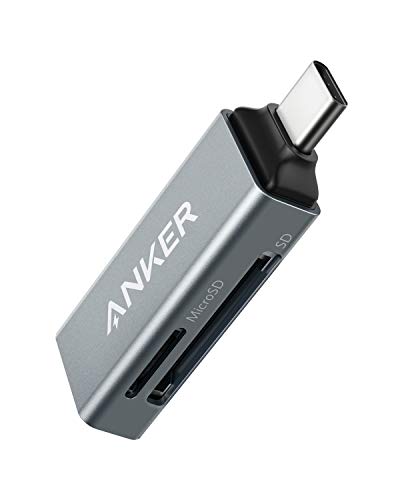
- Dedicated SD and microSD slots
- Compact 9-gram USB-C design
- Supports compatible phones and laptops
Best For: Mobile photographers using SD or microSD cards
All-Format Workhorse
UGREEN 4-Slot USB 3.0 Card Reader
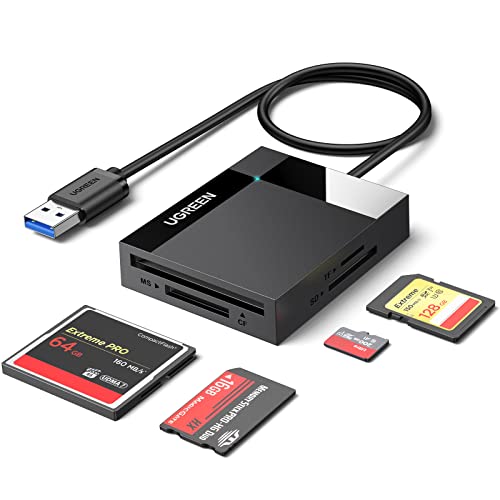
- Reads SD, microSD, CF, and Memory Stick cards
- Supports four cards simultaneously
- Up to 5Gbps with broad OS compatibility
Best For: Photographers handling multiple card formats
USB-C Travel Pick
Dual-Slot SD and microSD Reader
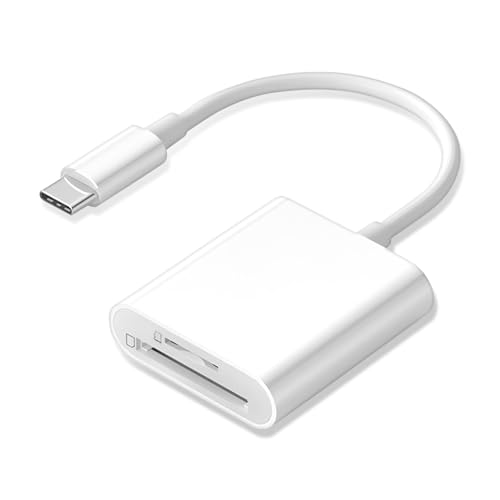
- Works with SD and microSD cards
- Supports bidirectional transfers
- Compact plug-and-play USB-C design
Best For: Photographers transferring files to USB-C phones and tablets
Dual-Connector Speedster
Acer USB-C and USB-A Card Reader

- USB-C and USB-A connectors in one reader
- Reads SD and microSD cards simultaneously
- Up to 5Gbps with a compact aluminum body
Best For: Photographers switching between USB-C and USB-A devices
Most Versatile
7-in-1 USB-C Multi-Card Reader

- Reads SD, TF, CF, MS, and XD cards
- Can access up to five cards simultaneously
- USB-C transfers rated up to 5Gbps
Best For: Photographers using several card formats
Best Cross-Platform Pick

- Supports CF, SD, TF, and MS cards
- Includes detachable USB-C-to-USB adapter
- Works with iOS, Android, Windows, and macOS
Best For: Photographers using both USB-C and USB devices
Best Simple Pick

- Supports SD, SDHC, SDXC, and microSD
- Compact 9.93-gram design
- Plug-and-play transfers for JPEG and RAW files
Best For: Mobile photographers using SD-family cards
Best All-Around Choice – BENFEI 4-in-1 Card Reader
For photographers who work across several camera formats, the BENFEI is a versatile option among memory card readers for photographers. Its USB-C and USB 3.0 connections support SD, microSD, Memory Stick, and CompactFlash cards, while four cards can be read and written at the same time.
Best For: Photographers who use multiple card formats and want simultaneous transfers on USB-C or USB 3.0 devices.
Pros:
- Supports SD, microSD, Memory Stick, and CompactFlash cards.
- Reads and writes four cards simultaneously.
- Offers USB-C and USB 3.0 connectivity with claimed UHS-I transfer rates up to 160MB/s.
- Includes an 18-month warranty.
Cons:
- Does not support standard Memory Stick, Memory Stick Micro (M2), or CF Type I cards.
- Actual transfer speed depends on the card and connected USB port.
- Some older operating systems do not support exFAT SDXC cards.
The BENFEI stands out for broad format coverage and flexible connectivity. It is a practical pick for photographers managing cards from different cameras, provided their specific card types and host devices are supported.
Best for Multi-Format Workflows – llano 5-in-1 USB-C Reader
The llano 5-in-1 is designed with photographers in mind, combining USB-C connectivity with support for CompactFlash, SD, microSD, Memory Stick, and M2 cards. It can read four card types at once, making it useful for batch transfers in a photography workflow.
Best For: Photographers and content creators who need USB-C access to several legacy and current card formats.
Pros:
- Supports CF, SD, microSD, Memory Stick, and M2 cards.
- Allows simultaneous reading of CF, MS, SD, and microSD cards.
- USB 3.2 Gen 1 provides bandwidth up to 5Gbps, with claimed read speeds up to 104MB/s.
- Includes OTG support, plug-and-play operation, and a 24-month protection plan.
Cons:
- TF and M2 cards share one channel and cannot be read simultaneously.
- It is not compatible with CFast cards.
- The CompactFlash slot has fine pins that require careful alignment.
With its broad format support and photographer-focused design, the llano is a strong choice for mixed-card workflows. Check your card types carefully, especially if your equipment uses CFast or requires simultaneous TF and M2 access.
Best Compact Option – Anker PowerExpand Dual-Slot Reader
The Anker PowerExpand is a small, straightforward choice among memory card readers for photographers who primarily use SD and microSD cards. Its two slots support standard and microSD formats, and the USB-C design works with compatible laptops, phones, and other devices.
Best For: Photographers who want a lightweight reader for standard SD and microSD cards, especially when working on the go.
Pros:
- Provides separate SD and microSD slots for convenient file transfers.
- Compact 9-gram design is easy to carry.
- Supports USB-C devices, including compatible smartphones and laptops.
- Includes an 18-month warranty.
Cons:
- Does not support CompactFlash, Memory Stick, or xD cards.
- Some devices may require removing a case before connection.
- It has fewer slots and less format coverage than multi-card readers.
The Anker is best when portability and simplicity matter more than extensive format support. It is a convenient match for photographers whose cameras use SD or microSD cards and who regularly transfer files to USB-C devices.
Best for Legacy Card Variety – 8-in-1 USB-C Media Reader
This 8-in-1 reader is aimed at photographers working with an unusually broad mix of formats, including SD, microSD, CompactFlash, Memory Stick PRO Duo, and xD Picture Card. Its USB-C connection also adds three USB ports for peripherals such as a mouse, keyboard, or flash drive.
Best For: Photographers and studios transferring files from older Sony, xD, CF, and SD-based equipment to USB-C devices.
Pros:
- Supports SD, microSD, CompactFlash, Memory Stick, and xD Picture Card formats.
- Includes three additional USB ports for connecting peripherals.
- USB-C plug-and-play design supports OTG on compatible devices.
- Compact design is suitable for travel or office use.
Cons:
- The listed 480Mbps transfer rate is lower than the USB 3.x rates claimed by some alternatives.
- Its USB expansion ports are listed as USB 2.0.
- Compatibility should be checked for the specific card format and USB-C device.
The main appeal here is format coverage: xD and Memory Stick support can be valuable for photographers with older cameras. Choose it over a simpler reader when its extra card slots and USB ports match your equipment needs.
All-Format Workhorse – UGREEN 4-Slot USB 3.0 Card Reader
For photographers working with several card formats, the UGREEN 4-slot reader is a versatile option among memory card readers for photographers. It supports SD, microSD, CompactFlash, and Memory Stick cards, while USB 3.0 provides transfer speeds of up to 5Gbps.
Best For: Photographers who regularly move files from multiple card types or need to read and write four cards simultaneously.
Pros:
- Supports SD, microSD, CompactFlash, and Memory Stick formats.
- Can read and write four different memory cards at the same time.
- USB 3.0 offers transfers of up to 5Gbps.
- Works with Windows, macOS, Linux, and ChromeOS.
Cons:
- Uses a USB connection rather than USB-C.
- Its broader four-slot design is less minimal than a basic single-card reader.
The UGREEN stands out when compatibility and simultaneous card access matter more than a pocket-sized form factor. Its compact body and 1.7-foot cable still make it practical for a desk or camera bag.
USB-C Travel Pick – Dual-Slot SD and microSD Reader
This compact USB-C reader is designed for photographers transferring images directly to newer phones, tablets, and computers. Its two slots accept SD and microSD cards, and bidirectional transfers support both importing photos and saving files back to a card.
Best For: USB-C device users who want a portable reader for viewing, importing, and exporting SD or microSD photos while traveling.
Pros:
- Dual slots support SD and microSD card formats.
- Compatible with many USB-C iPhone, iPad, MacBook, Windows, Linux, and Chrome devices.
- Supports bidirectional file transfers.
- Plug-and-play operation requires no additional driver or software.
Cons:
- Its listed data transfer rate is 68Mbps, lower than the USB 3.0 readers in this roundup.
- Requires a USB-C port with OTG support on compatible mobile devices.
Choose this model for straightforward USB-C connectivity and a small travel footprint. It is especially convenient for photographers using the iPadOS Files app or other USB-C devices to manage card contents away from a computer.
Dual-Connector Speedster – Acer USB-C and USB-A Card Reader
The Acer ODK4E0 is a flexible choice among memory card readers for photographers who use both USB-C and USB-A equipment. It supports SD and microSD cards, offers up to 5Gbps transfers, and can read and write both cards simultaneously.
Best For: Photographers and video editors who need one compact reader for computers, phones, tablets, action cameras, and other USB-C or USB-A devices.
Pros:
- Includes both USB-C and USB-A connectors.
- Supports simultaneous reading and writing of SD and microSD cards.
- Offers up to 5Gbps USB 3.0 transfer speeds.
- Compact aluminum design includes protective covers and an attached cord.
Cons:
- Does not support CFexpress, XQD, MS, or Memory Stick cards.
- Not compatible with Lightning-port devices.
- Thick device cases may prevent full insertion.
The Acer is a strong all-around pick when connector flexibility is important. Its SD and microSD-only format support makes it less suitable for photographers using CompactFlash or other specialized cards, but its dual connectors and 5Gbps performance simplify mixed-device workflows.
Most Versatile – 7-in-1 USB-C Multi-Card Reader
For photographers comparing memory card readers for photographers, this 7-in-1 USB-C model stands out for its broad card support and simultaneous access. It includes dual SD and TF slots plus CF, MS, and XD slots, making it useful when your camera kit spans several formats.
Best For: Photographers who work with multiple card types and want to transfer files to USB-C phones, tablets, or laptops.
Pros:
- Supports SD, TF/microSD, CF, Memory Stick, and XD cards.
- Can read up to five cards at the same time.
- USB-C transfers are rated up to 5Gbps, with no app required.
- Compact aluminum construction and independent slot activity LEDs.
Cons:
- Its extensive slot layout may be more than needed for photographers using only SD cards.
- Requires a USB-C device or compatible adapter for other connections.
This is the most flexible choice of the three for mixed-format workflows. Its five-card simultaneous reading and 5Gbps interface are particularly useful for photographers moving large image or video files between several cards.
Best Cross-Platform Pick – 4-in-1 USB-C Card Reader
This 4-in-1 reader is a practical option for photographers who move cards between newer USB-C devices and older USB computers. Its detachable USB-C-to-USB adapter supports CF, SD, TF, and MS cards, while plug-and-play operation simplifies transfers of photos, RAW files, and video.
Best For: Photographers who need one reader for USB-C phones, tablets, Macs, Windows PCs, and legacy USB ports.
Pros:
- Includes CF, SD, TF/microSD, and Memory Stick slots.
- Detachable adapter supports both USB-C and USB connections.
- Works across iOS, Android, Windows, and macOS without additional software.
- Supports common JPEG, RAW, H.264, and MPEG-4 formats.
Cons:
- Its listed transfer rate is 480Mbps, lower than the 5Gbps ratings of the other two options.
- Does not support Wi-Fi SD cards.
The dual-connector design is the main reason to choose this model. It offers broad compatibility for photographers working across multiple computers and mobile devices, though it is better suited to convenient everyday transfers than maximum interface speed.
Best Simple Pick – USB-C SD Card Reader
For photographers who mainly use SD or microSD cards, this compact USB-C reader keeps the workflow simple. It is designed for USB-C phones, tablets, and computers, supports JPEG and RAW images, and requires no third-party app or internet connection.
Best For: Mobile photographers who primarily transfer SD or microSD files from cameras, drones, sports cameras, or trail cameras.
Pros:
- Compact 9.93-gram design is easy to carry.
- Supports SD, SDHC, SDXC, and microSD cards.
- Plug-and-play operation works without a connection app or internet.
- Supports JPEG, RAW, H.264, and MPEG-4 files.
Cons:
- Has only one card slot and does not support CF or Memory Stick cards.
- Works only with USB-C devices and is not compatible with Lightning ports.
- USB 2.0 operation is less suitable for the fastest large-file workflows.
This is the straightforward pick for photographers who use SD-family cards and value portability over extra slots. Its small size and direct USB-C connection make it convenient for quick field transfers to a compatible phone or tablet.
How We Picked the Best Memory Card Readers for Photographers
We focused on compatibility, connection type, slot configuration, portability, and practical workflow value. The selection includes compact dual-slot readers, multi-format hubs, and models designed for USB-C phones, tablets, and computers. We also considered whether a reader can handle common camera formats such as SD, microSD, CF, MS, and related variants.
Specifications can vary by card, host device, operating system, and file-transfer conditions. A reader’s advertised USB 3.0 or USB-C connection does not guarantee the same speed with every memory card, so use performance claims as a guide rather than a promise.
Quick Comparison
| Reader type | Best for | Typical advantage |
|---|---|---|
| Dual-slot SD and microSD | Most everyday photographers | Compact and simple transfers |
| Multi-format reader | Mixed camera collections | Supports legacy and current cards |
| Four-card reader | Organized multi-card workflows | Access to several formats in one device |
| USB-C phone and tablet reader | Mobile editing and field backup | Direct connection to newer devices |
Key Buying Factors for Memory Card Readers for Photographers
Card Compatibility
Start with the cards you actually use. Standard SD and microSD support covers many cameras, drones, and action cameras, while professional or older equipment may require CompactFlash, Memory Stick, CF variants, or other formats. Check the exact slot and capacity standards before buying.
Ports and Device Compatibility
USB-C is the most convenient choice for many current laptops, iPads, Android devices, and newer iPhones. If you use older computers or want broader flexibility, a reader with USB-A support or an included adapter may be more practical. For phone use, confirm that the device supports external storage and that the connector fits its case.
Speed and Simultaneous Access
USB 3.0 and faster interfaces can reduce transfer times, but the memory card and host port remain important limits. Simultaneous read/write support is useful when organizing multiple cards, although some devices may restrict how multiple slots work at once.
Portability and Build
Photographers who work on location should prioritize a compact body, a secure connector, and a design that does not require a separate cable. A short attached cable or adapter can be helpful when a phone or tablet’s port is difficult to access.
Who Should Buy Which Memory Card Readers for Photographers?
Choose a dual-slot SD and microSD reader if you primarily use modern cameras, drones, or action cameras and want the smallest everyday option.
Choose a multi-format reader if your equipment uses CompactFlash, Memory Stick, XD, or other legacy media alongside SD cards. This avoids carrying several specialized adapters.
Choose a four-in-one or hub-style reader if you regularly sort multiple cards or maintain a mixed-media workflow at a desk. These models offer flexibility but may be larger.
Choose a USB-C-focused reader if you edit or back up photos directly on an iPhone, iPad, Android device, MacBook, or modern Windows laptop. Before purchasing, verify the device’s file-management support and available storage.