
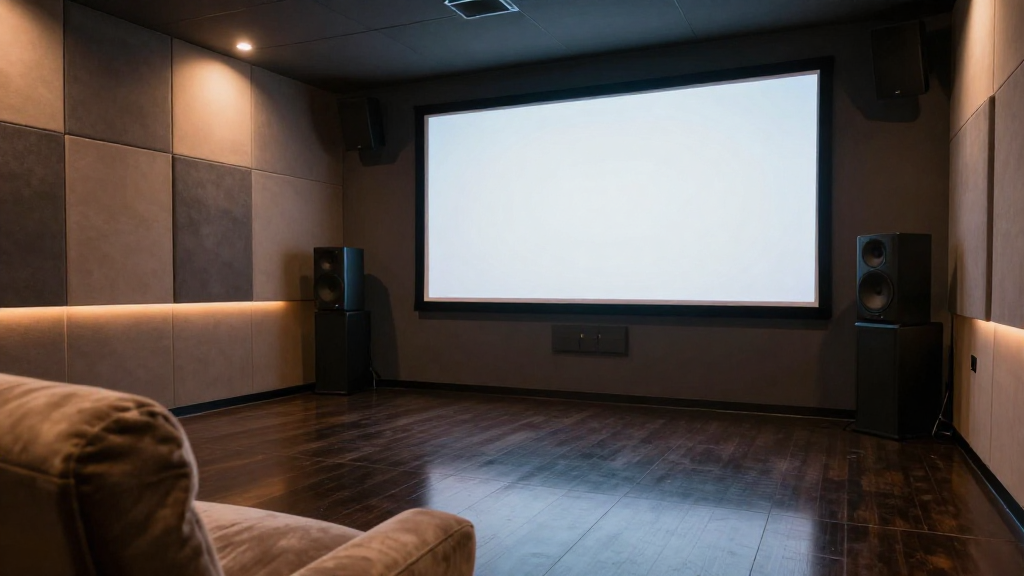
In this article, we will explore comprehensive strategies on how to improve home theater acoustics to enhance your overall viewing experience.
What Is Home Theater Acoustics?
Home theater acoustics refers to the sound quality and characteristics within a designated viewing area. The way sound travels and reflects in a room greatly affects your movie-watching experience. Understanding the fundamentals of home theater acoustics is crucial to creating a balanced sound environment.
Key Elements of Acoustics
- Sound Reflection: How sound bounces off surfaces can create echoes or dead spots.
- Absorption: Certain materials can absorb sound, reducing echoes and improving clarity.
- Diffusion: Dispersing sound evenly throughout the room for a more immersive experience.
Why It Matters
Good acoustics can transform your home theater from just another room into a cinematic experience. Poor acoustics, on the other hand, can lead to muddled dialogue and an overall unsatisfactory experience.
How Can You Identify Acoustic Problems?
Before implementing solutions, it’s essential to identify existing acoustic problems in your home theater. This process will help you target specific areas for improvement.
Signs of Poor Acoustics
- Muddled Sound: Dialogue is hard to hear, or music sounds cluttered.
- Excessive Echo: Sounds linger longer than they should.
- Unbalanced Sound: Certain frequencies are either too loud or too soft.
How to Test Acoustics
One effective way to test your room’s acoustics is through simple sound tests. Play a variety of media at different volumes and pay attention to how sound behaves in the room.
What Are Effective Methods to Improve Acoustics?
Once you’ve identified the acoustic issues in your home theater, it’s time to explore effective methods to improve acoustics.
Use Acoustic Panels
Acoustic panels are designed to absorb sound waves, helping to reduce echo and improve clarity. They come in various shapes, sizes, and colors, making them suitable for any décor.
Flooring Choices Matter
- Carpets: Soft flooring can absorb sound, reducing noise reflection.
- Rugs: Adding rugs can help dampen sound on hard surfaces.
- Underlay: Consider investing in soundproof underlay for an additional layer of sound absorption.
How Do Furniture and Décor Affect Acoustics?
The furniture layout and décor can significantly impact the acoustics of your home theater. Strategic placement can either enhance or detract from sound quality.
Soft Furnishings
Soft furnishings, such as sofas and curtains, can absorb sound waves and minimize reflections. Consider using heavier curtains or upholstered furniture to optimize sound quality.
Speaker Placement
- Height: Mount speakers at ear level for the best sound experience.
- Distance: Keep speakers away from walls to prevent bass distortion.
- Angle: Aim speakers towards the main seating area for optimal sound distribution.
What Role Does Room Shape Play?
The shape and size of your home theater room can have a profound effect on acoustics. Understanding this can help you make informed design choices.
Square vs. Rectangular Rooms
Square rooms often lead to problematic acoustics due to standing waves. Rectangular rooms tend to provide a better sound experience due to improved sound wave distribution.
High Ceilings vs. Low Ceilings
- High Ceilings: Offer a spacious sound environment but may require additional acoustic treatment.
- Low Ceilings: Can create a cozy atmosphere but may amplify sound reflections.
How Can You Use Technology to Enhance Acoustics?
Technology offers numerous solutions for improving home theater acoustics. From sound systems to software, various tools can enhance your acoustic experience.
Sound Calibration Systems
Many modern sound systems come with built-in calibration software that analyzes your room’s acoustics and adjusts the sound output accordingly. This feature can help create a more balanced audio experience.
Equalizers
- Graphic Equalizers: Allow you to manually adjust specific frequency bands for optimal sound.
- Parametric Equalizers: Provide more precise control over sound adjustments.
What Maintenance Is Needed for Optimal Acoustics?
To ensure continuous improvement in home theater acoustics, regular maintenance is essential. This includes checking your equipment and acoustic treatments periodically.
Regularly Inspect Equipment
Ensure that speakers, receivers, and other audio equipment are functioning correctly. Regular inspections can help you catch potential issues before they affect sound quality.
Update Acoustic Treatments
- Replace Worn Panels: Over time, acoustic panels may lose effectiveness and should be replaced.
- Re-evaluate Layout: As you change furniture or equipment, reassess the layout for optimal sound.
Conclusion
Improving home theater acoustics is a multifaceted process that requires attention to detail and a willingness to experiment. With the right strategies, such as utilizing acoustic panels, optimizing furniture placement, and leveraging technology, you can significantly enhance your viewing experience. Remember, the goal is to create a harmonious auditory environment that elevates your home theater to a whole new level.