
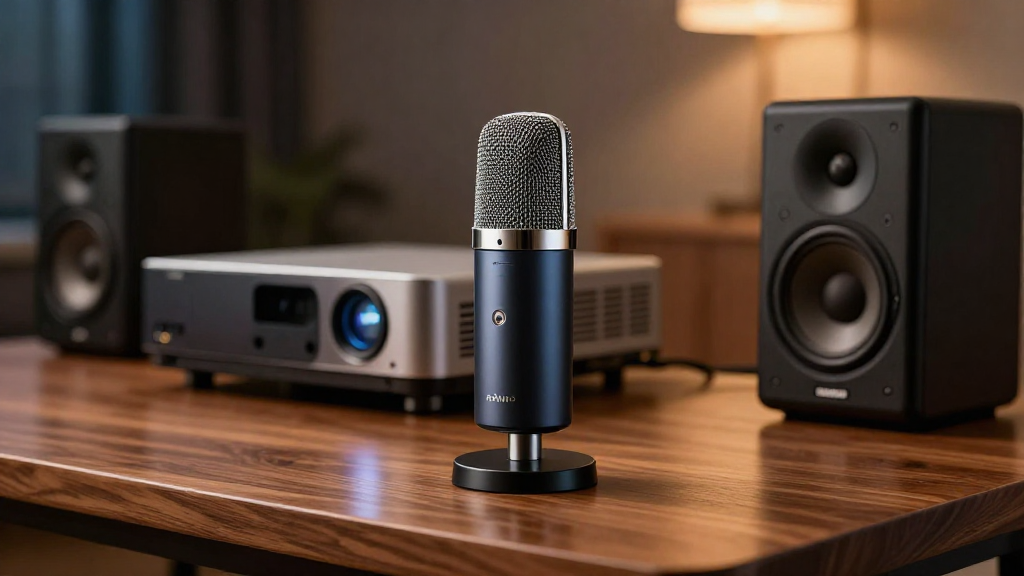
In this article, we will explore the significance of a home theater speaker calibration microphone and how it enhances your audio experience.
What Does a Home Theater Calibration Microphone Do?
A home theater calibration microphone is designed to optimize your audio setup by measuring sound output and ensuring that all speakers are balanced. It plays a crucial role in creating an immersive audio environment.
Understanding Sound Measurements
The calibration microphone measures various sound parameters, including frequency response, sound level, and phase alignment. These metrics help identify any discrepancies in audio output across different speakers. By analyzing these measurements, the microphone can adjust settings to ensure that sound is evenly distributed throughout the room.
Balancing Speaker Levels
One of the primary functions of a calibration microphone is to balance the levels of all connected speakers. This is essential for achieving a coherent soundstage and preventing any one speaker from overpowering the others. The process ensures that dialogue, music, and sound effects are heard clearly, regardless of where you are seated.
Room Acoustics Considerations
Room acoustics can significantly affect sound quality, and the calibration microphone helps address these issues. By measuring how sound interacts with walls, furniture, and other surfaces, the microphone can suggest adjustments to the speaker placement or settings. This ensures that the audio experience is optimized for the specific characteristics of your home theater.
How Do You Use a Home Theater Calibration Microphone?
Using a home theater calibration microphone involves a few straightforward steps that can greatly improve your audio experience. It’s essential to follow the correct procedure to ensure accurate measurements.
Setting Up Your Equipment
Before you start the calibration process, ensure that your home theater system is properly set up. This includes connecting all speakers, placing the microphone at ear level, and ensuring that any soundproofing measures are in place. Once your equipment is ready, you can begin the calibration process.
Running the Calibration Process
Most modern AV receivers come with built-in calibration software that guides you through the process. You will typically need to activate the calibration mode and follow the on-screen prompts. The microphone will pick up various test tones that the system generates, measuring how they sound in your space.
Reviewing Calibration Results
Once the calibration process is complete, the system will provide you with results, including any adjustments made to the speaker levels and crossover frequencies. It’s important to review these results and make any additional adjustments if necessary. This step ensures that your home theater setup meets your personal audio preferences.
Why Is Calibration Important for Home Theater Systems?
Calibration is crucial for achieving optimal sound quality in home theater systems. Without proper calibration, you may miss out on the full potential of your audio equipment.
Enhancing Audio Quality
Properly calibrated speakers deliver clearer and more accurate audio. This enhances your listening experience, whether you’re watching movies, playing video games, or enjoying music. A well-calibrated sound system ensures that you hear every detail, from the subtlest whispers to the most intense explosions.
Improving Overall Immersion
Calibration helps create a more immersive experience by allowing sound to envelop you. When speakers are balanced and optimized for the room, you feel as though you are part of the action rather than just a passive observer. This enhances the enjoyment of movies and games significantly.
Adapting to Room Changes
As your home theater setup evolves or if you change the room’s layout, recalibrating your audio system becomes essential. Factors like new furniture, wall decorations, or even additional speakers can alter sound dynamics. Regular calibration ensures that your audio remains consistent and enjoyable over time.
What Features Should You Look for in a Calibration Microphone?
When selecting a home theater calibration microphone, certain features can enhance its effectiveness. Understanding what to look for helps you make an informed decision.
Frequency Response Range
The frequency response range of the microphone affects its accuracy in capturing sound details. A wider range allows for better measurements across all audio frequencies, ensuring that both low and high sounds are accurately represented. This is vital for a well-rounded audio experience.
Build Quality and Design
A durable build ensures that the calibration microphone can withstand regular use, especially if you plan to recalibrate frequently. Additionally, a well-designed microphone with a compact size is easier to position in various locations within your home theater.
Compatibility with Audio Equipment
Ensure that the calibration microphone is compatible with your audio receiver or sound system. Many AV receivers come with proprietary microphones designed to work specifically with their calibration systems. Using a compatible microphone ensures seamless integration and accurate results.
How Much Does a Home Theater Calibration Microphone Cost?
The cost of a home theater calibration microphone can vary significantly based on its features and brand. Understanding your budget and what you need will guide your purchase.
Budget Options
For those on a budget, there are calibration microphones available at lower price points that still offer decent performance. These options may lack some advanced features but can still help improve your audio setup. Brands like Behringer and Dayton Audio offer affordable choices for entry-level users.
Mid-Range Choices
Mid-range calibration microphones generally provide better accuracy and additional features. These models often come with enhanced frequency response and better build quality. Brands like Audio-Technica and IK Multimedia offer reliable options in this price range.
High-End Models
High-end calibration microphones are designed for audiophiles and professional setups. They offer exceptional accuracy, compatibility with advanced calibration software, and robust build quality. Brands like Earthworks and Neumann are renowned for their premium calibration microphones.
Conclusion: Elevate Your Home Theater Experience
Investing in a home theater speaker calibration microphone is a wise decision for anyone looking to enhance their audio experience. By understanding its functionality, learning how to use it, and recognizing its importance, you can ensure that your home theater system delivers optimal sound quality. Whether you choose a budget-friendly option or a high-end model, regular calibration will keep your audio setup in top shape, allowing you to enjoy your favorite movies and music like never before.