
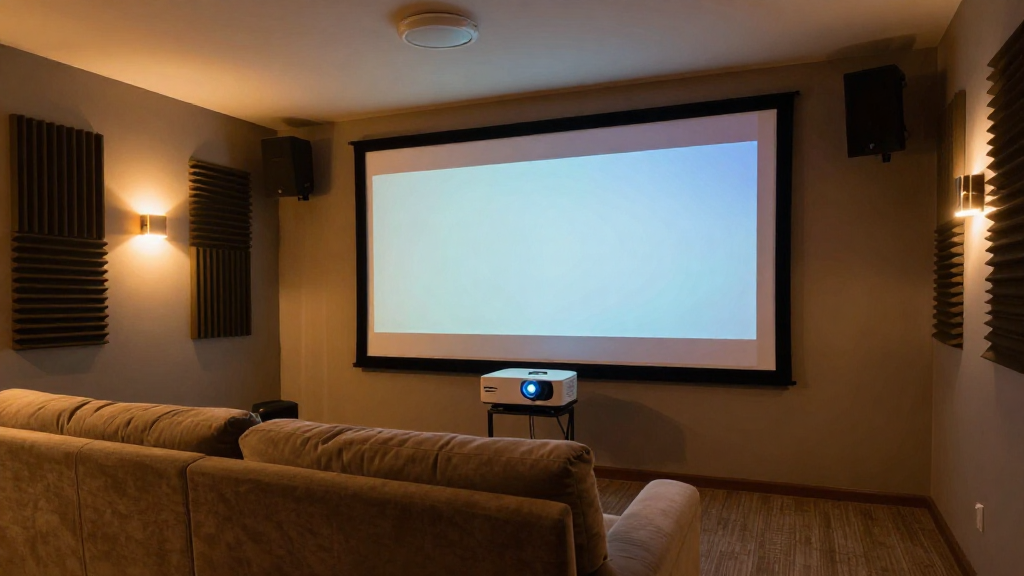
In this article, we will explore the differences between a home theater projector vs TV, helping you decide which option is best for your entertainment needs.
What Are the Key Differences?
Understanding the key differences between a home theater projector and a TV can significantly impact your viewing experience.
Image Quality
Both home theater projectors and TVs offer unique image quality characteristics. Projectors generally excel in providing a larger image size, which can create a cinema-like experience. However, TVs often deliver better color accuracy and contrast, especially in well-lit rooms.
Screen Size Options
When it comes to screen size, home theater projectors can project images up to 300 inches or more, which is ideal for large spaces. In contrast, TVs typically range from 32 inches to 85 inches, with some high-end models offering larger sizes. Your choice may depend on room size and viewing distance.
Installation Flexibility
Projectors offer more installation flexibility as they can be set up in various locations, including ceilings and walls. TVs, however, require a solid surface or stand, which may limit placement options. Consider your room layout when choosing between a home theater projector vs TV.
How Do They Compare in Price?
Price is a crucial factor when deciding between a home theater projector and a TV. Understanding the costs associated with each option can help you make a well-informed decision.
Initial Cost
Home theater projectors typically have a lower initial cost compared to large-screen TVs. However, the price of the projector itself can vary greatly depending on features such as resolution and brightness. On the other hand, high-quality TVs can be quite expensive, especially models with OLED or QLED technology.
Additional Expenses
While projectors may have a lower upfront cost, they often require additional expenses such as screens, mounts, and higher-quality sound systems. Conversely, TVs come with built-in speakers that might suffice for casual viewing. Factor in these costs when comparing the home theater projector vs TV.
Long-Term Value
Consider the long-term value of your investment. Projectors may need bulb replacements every few thousand hours, which can add to the cost over time. TVs have a longer lifespan and may offer better performance consistency, resulting in potentially lower long-term expenses.
What About Portability?
Portability can be an important factor for some users. Depending on your needs, the choice between a home theater projector and a TV can vary significantly.
Weight and Size
Projectors are generally lighter and more compact than most TVs, making them easier to transport. This can be beneficial for outdoor movie nights or moving between rooms. TVs, especially larger models, can be cumbersome and require more effort to relocate.
Setup Time
Setting up a projector typically requires more time due to alignment and calibration needs. TVs, on the other hand, can be plugged in and used almost immediately. If convenience is a priority, you might prefer the ease of a TV over a home theater projector.
Ideal Use Cases
Consider your viewing habits; projectors are ideal for home cinema enthusiasts who enjoy a large screen experience. Conversely, TVs may be better suited for everyday use, such as watching news or sports. Evaluate your lifestyle when deciding between a home theater projector vs TV.
Which Is Better for Different Lighting Conditions?
Lighting conditions play a crucial role in determining whether a home theater projector or a TV is more suitable for your space.
Ambient Light Sensitivity
Projectors are generally more sensitive to ambient light, which can wash out the image quality. They perform best in dark or controlled lighting environments. In contrast, TVs are designed to perform well in various lighting conditions, making them more versatile for any room.
Adjustable Brightness
Many modern projectors offer adjustable brightness settings to accommodate different lighting situations. However, they still may not match the consistent brightness of a TV. TVs, particularly those with high brightness levels, can provide a clear view even in brightly lit rooms.
Viewing Experience
The viewing experience can be drastically different based on lighting. A projector in a dark room can create an immersive cinematic experience, while a TV can deliver consistent quality regardless of lighting. Assess your viewing environment when making a decision.
What About Sound Quality?
Sound quality is another factor that can influence your choice between a home theater projector vs TV.
Built-In Speakers
Most TVs come with built-in speakers that offer decent sound quality for casual viewing. However, projectors often have lower-quality built-in speakers, necessitating the use of an external sound system for optimal audio. Depending on your preference for sound, this could be a significant factor in your decision.
Audio Systems
For projectors, investing in a high-quality audio system is often essential to enhance the viewing experience. Many users opt for surround sound systems to complement their projectors. TVs may not require as much external audio investment, making them a more straightforward choice for those less inclined to set up complex systems.
Overall Experience
Your overall experience will depend on the quality of sound you want. If you’re looking for a theater-like experience, a projector with a good audio system is the way to go. For standard viewing, a TV may suffice, especially for casual shows and movies.
Conclusion: Which Should You Choose?
Choosing between a home theater projector vs TV ultimately depends on your personal preferences, room setup, and viewing habits. Consider factors like image quality, price, portability, lighting conditions, and sound quality to make the best choice for your home entertainment system.