
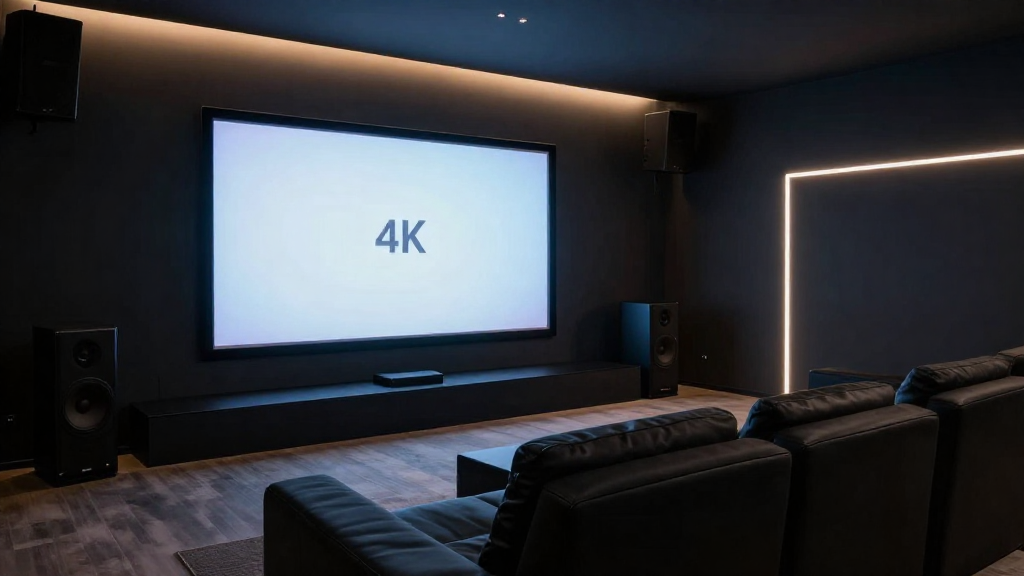
This article explains home theater HDCP explained and its significance for a seamless viewing experience.
What Does HDCP Stand For?
HDCP stands for High-bandwidth Digital Content Protection. It is a form of digital copy protection developed by Intel. HDCP is designed to prevent the unauthorized copying of digital audio and video content as it travels across connections.
How Does HDCP Work?
HDCP works by establishing a secure connection between the source device and the display device. When a source device, like a Blu-ray player or streaming box, sends content to a display, HDCP verifies the authenticity of both devices. If the devices pass the authentication, the content is transmitted; otherwise, it is blocked.
Why Is HDCP Important?
HDCP is vital for protecting copyrighted content from being illegally copied. This is particularly important for content providers who rely on subscription models. Additionally, it helps maintain the quality of the digital signal between devices.
How Does HDCP Affect My Home Theater Setup?
Understanding how home theater HDCP explained can help you make informed decisions regarding your setup. HDCP can affect compatibility between devices in your home theater. If your devices do not support the same version of HDCP, issues may arise.
Compatibility Issues
One of the most common issues with HDCP is compatibility between devices. For instance, if you have an older TV that only supports HDCP 1.4, but your new 4K Blu-ray player uses HDCP 2.2, you may experience problems. Ensuring that all components in your setup support compatible HDCP versions is essential.
Resolution Limitations
HDCP can also impose resolution limitations. If your source device outputs 4K content but your display only supports HDCP 1.4, the maximum resolution you can achieve may be limited to 1080p. This is important to consider when investing in new home theater equipment.
What Are the Different Versions of HDCP?
There are several versions of HDCP that have been released over the years. Each version enhances the security and functionality of the previous one. Keeping up with these versions is crucial for a modern home theater experience.
HDCP 1.0 and 1.1
HDCP 1.0 and 1.1 were the first versions released, primarily aimed at protecting standard-definition and early high-definition content. These versions provided basic encryption but lacked support for advanced features present in later versions.
HDCP 1.2
Introduced in 2005, HDCP 1.2 allowed for the transmission of higher-quality content and supported Blu-ray and HD DVD formats. It also enhanced support for multiple displays connected to a single source device.
HDCP 2.0 and 2.2
HDCP 2.0 and 2.2 are the most relevant versions for modern home theaters. HDCP 2.2 specifically addresses 4K content protection and is required for streaming services like Netflix and Amazon Prime Video. It is crucial for users who wish to enjoy high-definition content.
What Should I Do If I Encounter HDCP Errors?
HDCP errors can be frustrating, especially when you are trying to enjoy your favorite movies or shows. Understanding how to troubleshoot these errors can enhance your home theater experience. Here are some steps to follow if you encounter HDCP issues.
Check Your Connections
One of the first steps in troubleshooting HDCP errors is checking your connections. Ensure that all HDMI cables are securely connected and that you are using high-quality cables. Sometimes a loose or faulty cable can cause HDCP handshake failures.
Update Your Devices
Updating your devices can resolve compatibility issues. Manufacturers often release firmware updates to improve HDCP support and fix bugs. Always check for updates for your Blu-ray players, streaming devices, and TVs to ensure optimal performance.
Use an HDMI Splitter or Switch
If you have multiple devices connected to your home theater, using an HDMI splitter or switch may help. This can help manage HDCP compatibility between devices. However, make sure that the splitter or switch supports the same HDCP version as your source device.
Is HDCP Necessary for All Home Theater Systems?
While HDCP is essential for many modern devices, it may not be necessary for all home theater systems. If you primarily watch content from sources that do not require HDCP, you may not need to worry about it extensively. However, understanding its importance can help you future-proof your setup.
Legacy Systems
For older home theater systems that do not support HDCP, content can still be played without issues. However, as technology advances, moving towards HDCP-compatible devices will ensure compatibility with future streaming services and content.
Streaming Services and HDCP
Most streaming services today require HDCP compliance to access their content. If you plan on using services like Hulu, Disney+, or YouTube TV, you will need to ensure your devices support the necessary HDCP version.
Conclusion: Understanding Home Theater HDCP Explained
In summary, home theater HDCP explained is essential for anyone looking to set up or upgrade their home theater experience. Understanding HDCP, its various versions, and how it affects compatibility can ensure smooth playback of your favorite content. By addressing potential issues and keeping your devices updated, you can enjoy high-quality digital content without interruptions.