
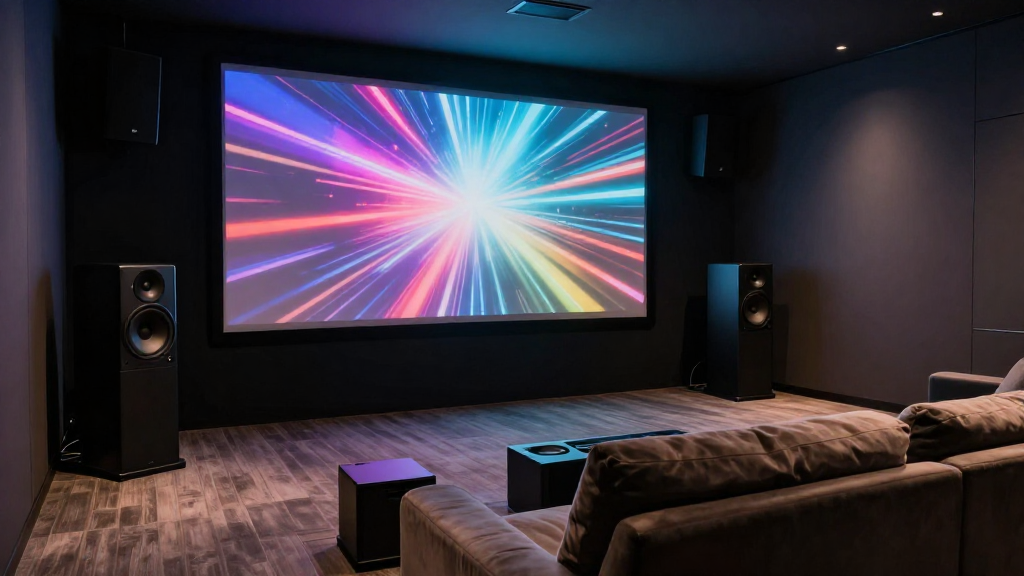
In this article, we will explore the concept of home theater dynamic range explained, focusing on its importance in enhancing your audio experience.
What is Dynamic Range?
The term dynamic range refers to the difference between the quietest and loudest sounds in an audio signal. In home theater audio, this range is crucial for delivering an immersive experience. Understanding dynamic range can help optimize your audio setup.
Definition of Dynamic Range
Dynamic range is measured in decibels (dB) and represents the spectrum of sound levels that an audio system can reproduce. A higher dynamic range means more depth in audio quality. This allows subtle sounds to be heard alongside louder sounds, creating a more realistic auditory environment.
Importance in Home Theater
In a home theater setup, dynamic range affects how movies and music are experienced. A well-defined dynamic range enhances dialogue clarity while allowing for impactful sound effects. This balance is vital for maintaining viewer engagement.
How It Works
The dynamic range is influenced by various factors, including the audio source, the amplifier, and the speakers used. Home theaters typically aim for a wide dynamic range to create a cinematic audio experience. A well-calibrated system ensures that all elements of sound, from whispers to explosions, are effectively conveyed.
Why Is Dynamic Range Important in Home Theater?
Understanding the significance of dynamic range in home theater audio can help you make informed decisions about your setup. The differences in sound levels can make or break your viewing experience.
Enhancing Audio Quality
A sound system with a good dynamic range delivers better audio quality. This means that you’ll hear rich details in soundtracks and dialogue. High-quality audio contributes to a more engaging and realistic experience.
Creating Immersive Experiences
Dynamic range plays a critical role in immersion. For instance, a quiet moment in a film followed by a sudden action scene can evoke strong emotions. This contrast is essential for storytelling and maintaining audience interest.
Impact on Home Theater Setup
When setting up your home theater, consider the dynamic range capabilities of your equipment. Investing in receivers and speakers with a wide dynamic range can significantly improve your experience. This investment pays off in the long run with clearer, more powerful sound.
How to Measure Dynamic Range in Home Theater?
Measuring dynamic range in your home theater system is essential for optimizing performance. There are several methods and tools available to assess the dynamic range.
Using SPL Meters
Sound Pressure Level (SPL) meters can help you gauge the dynamic range of your audio setup. By measuring the decibel levels of quiet and loud sounds, you can determine the effective dynamic range. This allows you to make necessary adjustments to your audio settings.
Audio Calibration Tools
Many modern home theater systems come with built-in audio calibration tools. These tools analyze sound output and adjust settings to optimize dynamic range automatically. Utilizing these tools can enhance your listening experience without needing extensive manual adjustments.
Listening Tests
Conducting listening tests is another effective way to measure dynamic range. Play various audio samples that highlight different sound levels. Take note of any distortions or imbalances, and adjust your system accordingly. Personal preference plays a significant role here, so trust your ears.
What Factors Affect Dynamic Range in Home Theater Systems?
Several elements influence the dynamic range in home theater audio systems. Understanding these factors can help you choose the right equipment and settings.
Audio Source Quality
The quality of the audio source directly impacts dynamic range. High-resolution audio files typically have a greater dynamic range compared to compressed formats. Always opt for high-quality sources, such as Blu-ray or lossless streaming, to maximize dynamic range.
Amplifier and Receiver Specifications
The amplifier and receiver play a crucial role in determining dynamic range. Look for specifications that indicate a wide dynamic range capability. An amplifier that can handle peaks without distortion will enhance your audio experience significantly.
Speaker Capabilities
Not all speakers are created equal when it comes to dynamic range. Investing in high-quality speakers that can reproduce a wide spectrum of frequencies is essential. This ensures that both low and high sounds are delivered accurately and effectively.
How to Optimize Dynamic Range in Your Home Theater?
Optimizing dynamic range in your home theater system can significantly enhance your audio experience. Incorporating a few simple strategies can lead to noticeable improvements.
Proper Speaker Placement
Speaker placement is vital for achieving the best dynamic range. Position speakers at ear level and ensure they are equidistant from the listening area. This setup allows sound to reach your ears evenly, enhancing clarity and depth.
Room Acoustics
The acoustics of your room greatly influence dynamic range. Soft furnishings, carpets, and curtains can absorb sound and prevent echoes. Consider using acoustic panels to improve sound quality and dynamic range in your home theater.
Using a Subwoofer
Integrating a subwoofer into your setup can significantly enhance dynamic range. Subwoofers reproduce low-frequency sounds that standard speakers often struggle with. This addition creates a fuller audio experience, bringing movies and music to life.
Conclusion: Understanding Home Theater Dynamic Range Explained
Grasping the concept of home theater dynamic range explained is essential for anyone looking to enhance their audio experience. By understanding what dynamic range is, its importance, and how to measure and optimize it, you can create a truly immersive home theater environment. This knowledge will allow you to enjoy movies and music in their full glory, making every viewing experience memorable.