
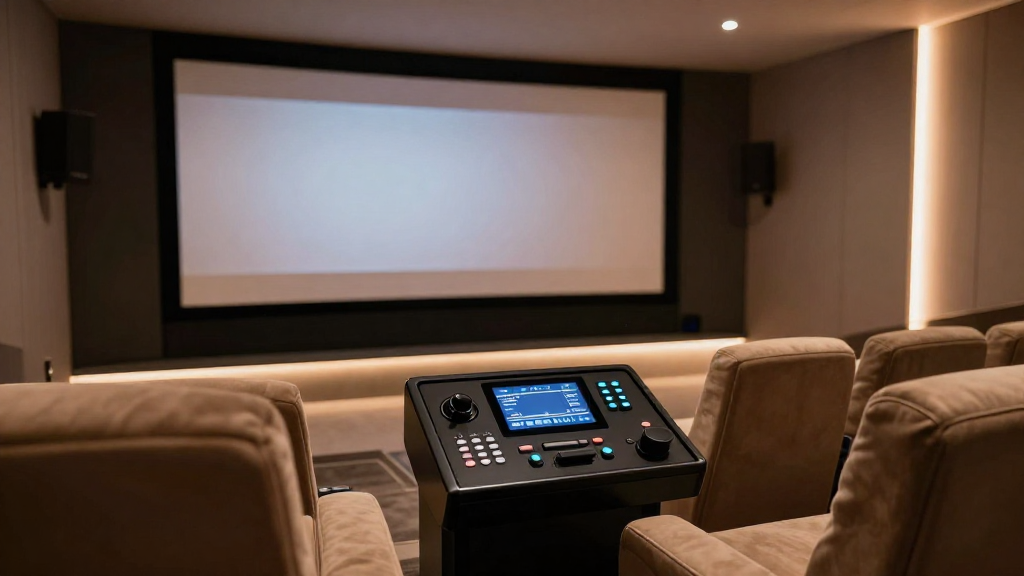
This article provides a comprehensive overview of home theater control systems explained, detailing their functions, components, and benefits to enhance your viewing experience.
What is a Home Theater Control System?
A home theater control system is a centralized platform that manages various components of your home theater.
These systems orchestrate devices such as projectors, televisions, audio systems, and lighting, making it easier for users to enjoy movies and shows.
Essentially, they simplify the operation of multiple devices into one cohesive unit for an enhanced entertainment experience.
Key Features of Home Theater Control Systems
- Integration: Connects various devices smoothly.
- Automation: Can schedule activities like movie nights automatically.
- User-Friendly Interface: Often comes with a remote or app for easy control.
Types of Home Theater Control Systems
- Universal Remote Controls
- Smartphone Apps
- Dedicated Control Panels
How Do Home Theater Control Systems Work?
Understanding how home theater control systems work is essential for maximizing their benefits.
These systems typically communicate using infrared signals, Wi-Fi, or Bluetooth, depending on the type of system you have.
This communication allows for seamless control of multiple devices, making it easier to switch between different functions.
Communication Protocols
Home theater control systems use various communication protocols, including:
- IR (Infrared): Line-of-sight control.
- RF (Radio Frequency): Control without direct line of sight.
- Bluetooth: Wireless connection for short distances.
- Wi-Fi: Allows for more extensive control and integration.
Control System Configuration
Setting up a home theater control system requires proper configuration, which can include:
- Connecting devices to the control system.
- Programming the remote or app to recognize devices.
- Testing to ensure all components work together smoothly.
What Are the Benefits of Home Theater Control Systems?
Home theater control systems offer numerous advantages that enhance your viewing experiences.
From convenience to improved functionality, understanding these benefits can help you make an informed decision.
Here are some of the most notable benefits of investing in a home theater control system.
Convenience and Ease of Use
One of the primary advantages of home theater control systems is the convenience they provide. Users can:
- Control all devices from one remote or app.
- Customize settings for different activities, such as movie nights.
- Reduce clutter by eliminating multiple remotes.
Enhanced Entertainment Experience
With a home theater control system, the overall entertainment experience is significantly enhanced. This enhancement includes:
- Quick transitions between different media sources.
- Automated lighting adjustments for different viewing scenarios.
- Seamless integration of audio and video systems.
What Components Are Needed for Home Theater Control Systems?
When setting up home theater control systems, several components are essential to ensure optimal performance.
Understanding these components will help you design a system that meets your needs.
Here are the key components you’ll typically need:
Control Interface
The control interface is the central hub for managing all connected devices. It can be:
- Remote control
- Mobile app
- Dedicated touchscreen panel
Audio and Video Components
These are the core elements of any home theater setup. They include:
- Televisions or projectors
- Speakers and sound systems
- Streaming devices and media players
Network Components
A stable network is crucial for seamless operation. This can involve:
- High-speed internet connection
- Wi-Fi routers and extenders
- Ethernet cables for wired connections
How to Choose the Right Home Theater Control System?
Selecting the right home theater control system can be overwhelming due to the variety of options available.
However, considering specific factors can help you make the best choice for your home theater setup.
Here are some critical considerations when choosing a control system:
Compatibility with Existing Devices
Before purchasing a control system, ensure it’s compatible with your existing devices:
- Check if it supports the brands and models you own.
- Look for systems that offer extensive device libraries.
- Consider potential future upgrades or additions.
User Experience and Interface
The user experience should be straightforward and intuitive. When evaluating systems, consider:
- The simplicity of the control interface.
- The availability of mobile app support.
- The learning curve for new users.
Conclusion: Why Invest in Home Theater Control Systems?
Home theater control systems explained in this article show how they can revolutionize your viewing experience.
With convenience, enhanced functionality, and the ability to integrate multiple devices, these systems are worth the investment.
As technology evolves, home theater control systems continue to improve, offering new features that cater to the needs of modern entertainment enthusiasts.