
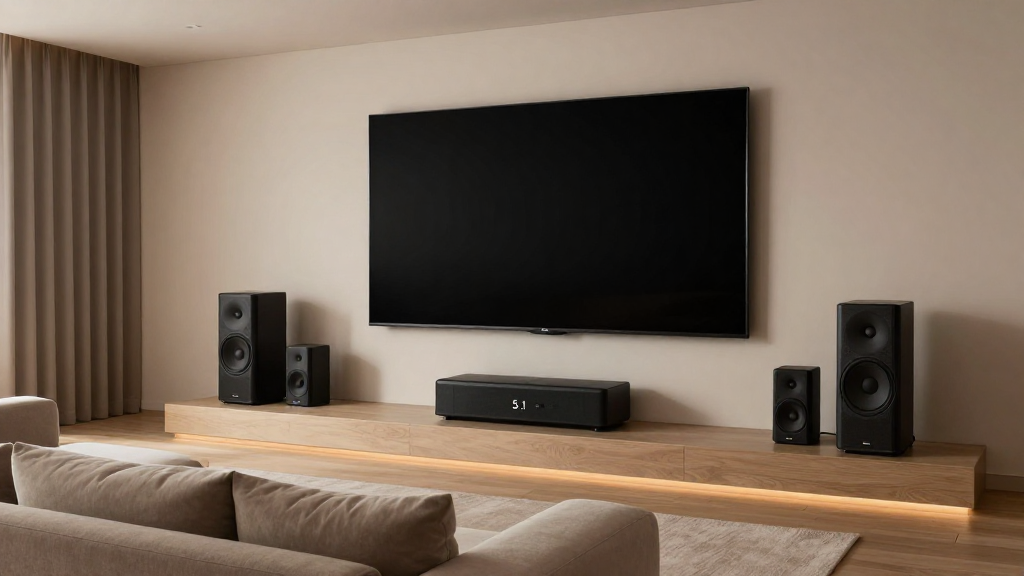
This article delves into the intricacies of a 5.1 home theater system, explaining its components, setup, and benefits.
What Are the Components of a 5.1 Home Theater System?
Understanding the components of a 5.1 home theater system is crucial for anyone looking to enhance their audio-visual experience. A typical 5.1 setup includes:
- Five speakers: These include two front speakers, a center speaker, and two surround speakers.
- One subwoofer: The subwoofer is responsible for the low-frequency sounds, adding depth to the audio.
- AAV receiver: This device connects all the components and processes audio and video signals.
Each of these elements plays a vital role in creating an immersive experience that mimics a theater atmosphere at home.
How Do the Speakers Work?
The speakers in a 5.1 home theater system work together to produce a rich soundscape. The two front speakers handle the main audio, while the center speaker delivers dialog and on-screen action. Surround speakers add depth by providing ambient sounds, enhancing the realism of the viewing experience.
What Role Does the Subwoofer Play?
The subwoofer is essential for delivering bass sounds, ensuring that viewers feel the rumble of explosions or the thump of music. It operates at lower frequencies, which are crucial for an engaging audio experience. A good subwoofer can significantly enhance the overall sound quality of your home theater.
Why Is the AAV Receiver Important?
The AAV receiver acts as the brain of your home theater system, managing the distribution of audio and video signals. It connects all the speakers and the subwoofer, ensuring they work together seamlessly. Additionally, modern AAV receivers often come with built-in streaming capabilities and multiple HDMI ports for various devices.
How Do You Set Up a 5.1 Home Theater System?
Setting up a 5.1 home theater system may seem daunting, but following a few simple steps can facilitate the process. Here’s a general outline for setting up your system:
- Choose the Right Room: Select a space that allows for optimal sound distribution without excessive echo.
- Position Your Speakers: Place the front speakers on either side of your TV, the center speaker directly above or below the screen, and the surround speakers behind or to the sides of your seating area.
- Connect the Components: Use high-quality cables to connect your speakers and subwoofer to the AAV receiver.
- Calibrate the System: Most modern receivers have calibration systems that help balance the sound output from each speaker.
By following these steps, you can create a home theater setup that rivals a commercial cinema.
What Are the Best Speaker Placement Tips?
Speaker placement is critical for achieving the best sound quality. Here are a few tips:
- **Front Speakers:** Should be at ear level when seated, angled slightly toward the listening area.
- **Center Speaker:** Position directly in line with the TV, as it carries most of the dialogue.
- **Surround Speakers:** Place them roughly 2-3 feet above ear level, positioned slightly behind the seating area for the best immersion.
Proper placement can greatly enhance the surround sound effect.
How to Connect Your Devices?
Connecting your devices to your 5.1 home theater system is straightforward. Most systems allow for various connections:
- **HDMI Cables:** Connect your streaming devices, gaming consoles, and Blu-ray players for high-quality audio and video.
- **Optical Cables:** Use optical cables for devices that don’t support HDMI.
- **RCA Cables:** Older devices might require RCA cables for connection.
Make sure to refer to your receiver’s manual for specific instructions on inputs and outputs.
What Are the Benefits of a 5.1 Home Theater System?
Investing in a 5.1 home theater system offers several benefits that enhance your overall viewing experience. Some key advantages include:
- Immersive Sound Experience: The combination of multiple speakers and a subwoofer creates a surround sound effect that brings movies and music to life.
- Enhanced Audio Clarity: With dedicated channels for different audio frequencies, you can enjoy clearer dialogue and more detailed sound effects.
- Flexibility: A 5.1 system can be tailored to fit various room sizes and layouts, and can often be expanded with additional components.
These benefits contribute to a more enjoyable and engaging home entertainment experience.
Is a 5.1 System Worth the Investment?
For many home entertainment enthusiasts, a 5.1 home theater system is a worthwhile investment. It provides a significant upgrade over standard TV speakers, offering superior audio quality that enhances movies, music, and games. The immersive experience makes it a popular choice for those who frequently host movie nights or gaming sessions.
How Does It Compare to Other Systems?
When comparing a 5.1 system to other configurations, such as 2.1 or 7.1 systems, it’s important to consider your needs. A 5.1 system strikes a balance between performance and cost, making it an excellent choice for the average consumer. While a 7.1 system offers more surround speakers for an even richer experience, it may not be necessary for smaller rooms.
How to Maintain Your 5.1 Home Theater System?
Proper maintenance can help prolong the life and performance of your 5.1 home theater system. Here are some essential maintenance tips:
- Regular Cleaning: Dust your speakers and receiver regularly to prevent buildup that can affect sound quality.
- Check Connections: Periodically inspect and tighten any loose cable connections to ensure optimal performance.
- Software Updates: Keep your AAV receiver’s firmware updated to ensure compatibility with new devices and features.
By following these maintenance practices, you can ensure your 5.1 home theater system continues to deliver outstanding audio quality for years to come.
What Common Issues Should You Watch For?
While 5.1 home theater systems are generally reliable, certain issues may arise:
- Audio Sync Issues: Sometimes, audio may lag behind video; adjusting settings on your receiver can help.
- Speaker Distortion: If you notice distortion at higher volumes, it may indicate that the speakers are being overdriven.
- Connection Problems: Loose cables or faulty connections can lead to poor sound quality or complete audio loss.
Being aware of these potential issues can help you troubleshoot effectively.
When Should You Upgrade Your System?
Considering an upgrade to your 5.1 home theater system? Here are signs it might be time:
- **Outdated Technology:** If your receiver lacks essential features like 4K support or streaming capabilities.
- **Poor Sound Quality:** If you notice a significant drop in audio performance or functionality.
- **Expanding Your Setup:** If you’re adding more components or want to upgrade to a larger system.
Upgrading can enhance your overall viewing experience and keep your home theater current with emerging technologies.