
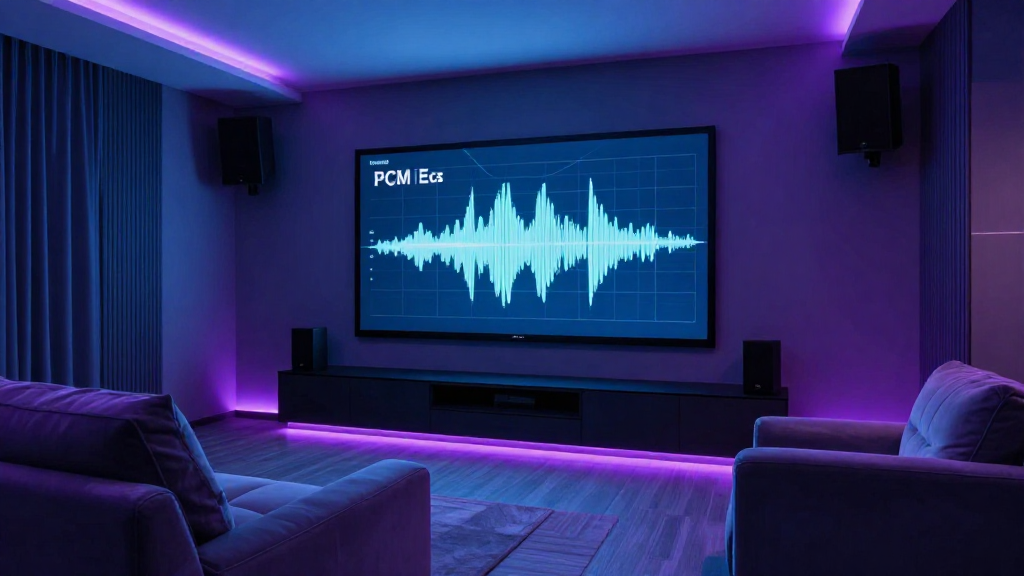
What is PCM Audio?
PCM audio stands for Pulse Code Modulation audio, a method used to digitally represent analog signals. In a home theater setting, PCM audio plays a crucial role in delivering high-quality sound. Understanding PCM audio is essential for anyone looking to enhance their home theater experience.
How Does PCM Work?
PCM works by sampling an analog signal at regular intervals and converting these samples into a digital signal. This process involves two primary steps: sampling and quantization.
Sampling Rate
The sampling rate refers to how often the analog signal is measured in one second. For example, CD-quality audio uses a sampling rate of 44.1 kHz, meaning it samples the audio signal 44,100 times per second. Higher sampling rates can capture more detail, leading to better sound quality.
Quantization
Quantization is the process of converting the sampled signal into a digital value. This conversion determines how accurately the waveform is represented. A higher bit depth in quantization allows for a more precise representation of the audio signal, enhancing the overall fidelity.
PCM Formats
There are various PCM formats, including Linear PCM (LPCM) and Non-Linear PCM (NLPCM). LPCM is the most common format used in CDs and digital audio files, while NLPCM is often used in video formats. Each format has its own advantages and applications.
Why Is PCM Important for Home Theater?
PCM audio is vital in a home theater system, as it provides a high-fidelity audio experience that enhances movies, music, and gaming. The clarity and detail of PCM audio make it a preferred choice for audiophiles.
High-Quality Sound
One of the primary benefits of PCM audio is its ability to deliver high-quality sound. Unlike compressed audio formats, PCM retains the original audio quality, providing a richer listening experience. This is particularly noticeable in dynamic scenes in movies or intricate musical passages.
Compatibility with Surround Sound
PCM audio supports multi-channel audio formats, making it ideal for home theater systems equipped with surround sound. By using PCM, you can enjoy immersive audio experiences that make you feel as if you are part of the action.
Ease of Use
PCM is widely compatible with various devices, making it easy to integrate into existing home theater setups. Most modern AV receivers and sound systems support PCM audio, ensuring a hassle-free experience.
How to Set Up PCM in Your Home Theater?
Setting up PCM audio in your home theater is straightforward, but it requires attention to detail to ensure optimal performance. Here are some steps to follow.
Check Your Equipment
- Ensure your AV receiver supports PCM audio.
- Verify that your source devices (such as Blu-ray players) output PCM audio.
- Use high-quality HDMI cables to prevent signal degradation.
Configure Audio Settings
Access the audio settings on your source devices and set them to output PCM audio. This setting may be labeled differently depending on the device, so consult your user manual for specific instructions. After adjusting the settings, test the audio output to confirm that it is working correctly.
Optimize Your Speaker Setup
To fully benefit from PCM audio, ensure your speaker setup is optimized. Position your speakers correctly for surround sound, and perform any necessary calibration using your AV receiver’s setup wizard. This step will help create a balanced audio experience, allowing you to enjoy the full range of PCM sound.
What Are the Alternatives to PCM?
While PCM is a popular choice for home theater audio, there are alternative formats worth considering. Each has its unique advantages and disadvantages.
Compressed Audio Formats
Compressed audio formats like MP3 and AAC sacrifice some audio quality for smaller file sizes. These formats are beneficial for storage and streaming but may not provide the same level of detail as PCM. If high fidelity is your priority, PCM is the better option.
DTS and Dolby Digital
DTS and Dolby Digital are alternative surround sound formats that offer compressed audio solutions. While they can provide immersive audio experiences, they often lose some details compared to uncompressed PCM audio. Consider these formats if you prioritize space-saving over audio fidelity.
DSD (Direct Stream Digital)
DSD is another alternative to PCM that is often used in high-resolution audio formats. It provides a different approach to audio encoding and can deliver exceptional sound quality. However, DSD support may be limited in some home theater setups compared to PCM.
Conclusion: Is PCM Right for Your Home Theater?
In conclusion, PCM audio is a crucial component of any home theater system, providing high-quality sound and compatibility with surround sound formats. For audiophiles and movie enthusiasts alike, the clarity and detail of PCM audio can significantly enhance the viewing experience. If you’re setting up or upgrading your home theater, consider incorporating PCM audio for a superior sound experience.