
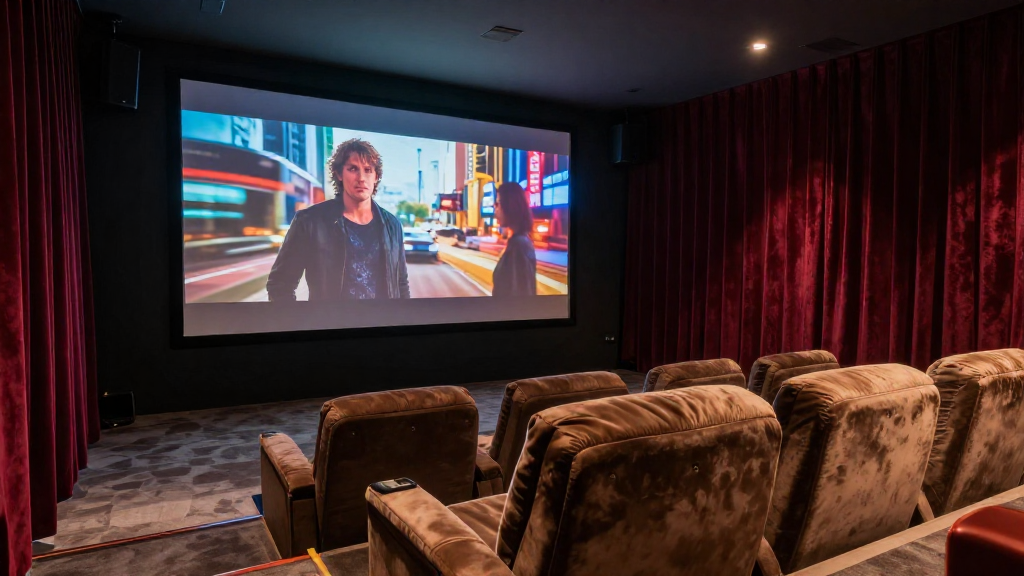
In this article, we will delve into the significance of home theater viewing angles explained, offering insights on how to maximize your cinematic experience.
What Are Viewing Angles in Home Theater?
Understanding the concept of viewing angles is crucial for any home theater enthusiast. Viewing angles refer to the optimal positions from which a viewer can watch a screen without experiencing distortion or discomfort.
Defining Viewing Angles
Viewing angles are typically expressed in degrees and indicate the range within which the image quality remains acceptable. For instance, a wide viewing angle allows more viewers to enjoy a movie without compromising on picture quality. It is important to choose a screen that accommodates various seating arrangements.
Types of Screens and Their Viewing Angles
- LED Screens: Generally offer good viewing angles, though some may suffer from color distortion at extreme angles.
- OLED Screens: Known for their excellent viewing angles, providing consistent color and brightness even from the sides.
- Projection Screens: Require careful placement to ensure optimal viewing angles due to potential light scatter.
Why Do Viewing Angles Matter?
Choosing the right viewing angles can significantly affect your entertainment experience. Poor viewing angles can lead to visual discomfort and reduce overall enjoyment. Understanding how to optimize your home theater setup can enhance your viewing pleasure.
How Do Viewing Angles Affect Picture Quality?
The relationship between viewing angles and picture quality is a crucial aspect of home theater design. When viewers sit outside the ideal viewing angles, they may experience issues such as color fading and reduced contrast.
Impact on Color Accuracy
Color accuracy is often compromised at extreme viewing angles, especially with certain display technologies. For example, LCD panels can show color shifts when viewed from the side. In contrast, OLED displays maintain color integrity across a wider range of angles.
Effects on Brightness
Brightness can also diminish as viewers move away from the optimal viewing angles. This can lead to a less immersive experience, especially in dark scenes where brightness is critical. Understanding how your screen performs at different angles can guide your seating arrangement.
Optimal Viewing Distance
Finding the right distance from the screen is equally important for maintaining picture quality. The ideal distance often correlates with the screen size and resolution. A general guideline is to sit at a distance of 1.5 to 2.5 times the screen size for a full immersive experience.
What Are the Best Practices for Home Theater Viewing Angles?
Implementing best practices for viewing angles can dramatically enhance your home theater experience. By following certain guidelines, you can ensure that every seat in your theater offers a great view.
Screen Placement
Proper screen placement is vital for achieving optimal viewing angles. Ideally, the center of the screen should be at eye level when seated. This position minimizes neck strain and maximizes comfort.
Seating Arrangement
- Row Setup: Arrange seating in rows that are evenly spaced from the screen.
- Curved Seating: Consider a curved seating arrangement to enhance viewing angles for everyone.
- Adjustable Seats: Invest in adjustable seating that allows viewers to find their ideal height and angle.
Using Acoustic Panels
Acoustic panels can help minimize sound distortion, complementing the viewing angles. Proper sound distribution enhances the overall cinematic experience, making viewing angles even more critical.
How Can You Measure Viewing Angles?
Knowing how to measure viewing angles is essential for optimizing your home theater setup. There are various methods to determine the ideal angles for your space.
Using a Protractor
A simple protractor can help you measure angles directly. By placing it at the screen and measuring from the center outwards, you can find the optimal viewing range for your seating.
Online Tools and Apps
Several online tools and applications can assist in calculating viewing angles based on screen size and room dimensions. These tools often provide visual representations, making it easier to understand how to arrange your space.
Professional Consultation
Hiring a professional can ensure that your home theater is set up optimally. Experts can provide tailored solutions that take into account your specific room dimensions and intended use.
What Are the Consequences of Poor Viewing Angles?
Ignoring the importance of viewing angles can lead to a range of issues that detract from the home theater experience. Understanding these consequences can motivate you to take action.
Visual Discomfort
Sitting at poor viewing angles can cause eye strain and discomfort. This can lead to headaches or fatigue, making it difficult to enjoy extended viewing sessions.
Reduced Immersion
When picture quality suffers due to poor viewing angles, the overall immersion in the film is diminished. Key visual details may be lost, impacting enjoyment and comprehension of the content.
Lower Resale Value
A poorly designed home theater with inadequate viewing angles may affect the resale value of your property. Potential buyers often look for well-thought-out entertainment spaces, and a subpar setup can be a red flag.
Conclusion
In summary, understanding home theater viewing angles explained is crucial for creating an optimal viewing experience. By prioritizing the proper setup, you can enjoy movies and shows in a way that captures the full essence of the content. Implementing best practices for screen placement, seating arrangement, and measuring angles will lead to a home theater that not only looks great but also feels incredible. Don’t underestimate the impact of viewing angles; they are fundamental to a successful home theater experience.