
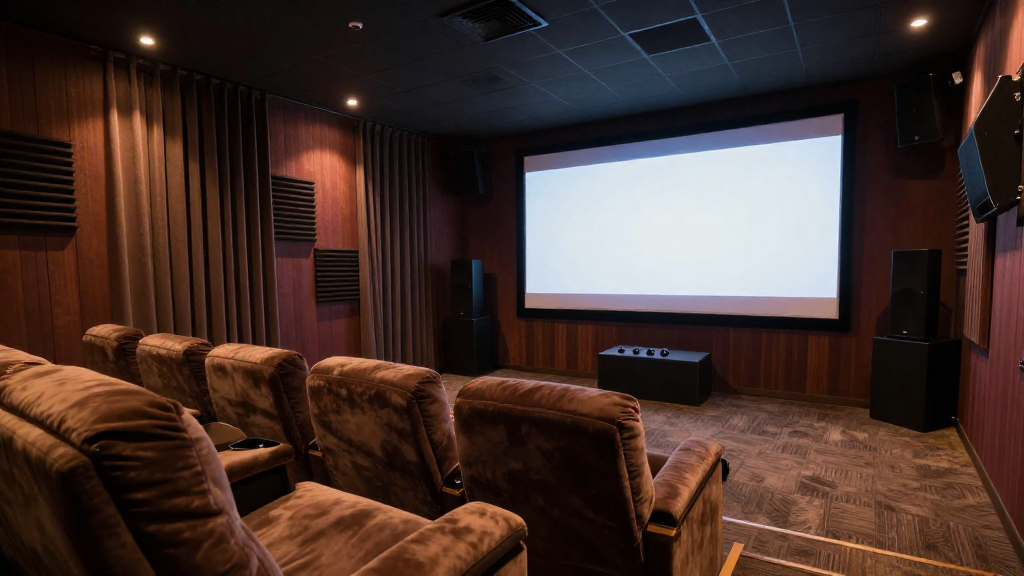
Creating the perfect environment for enjoying movies and music requires understanding how to soundproof a home theater room. This guide will help you achieve the best acoustic performance.
Why is Soundproofing Important?
Soundproofing is crucial for a home theater room to enhance the audio experience. It not only improves sound quality but also prevents noise from disturbing others in your home.
Enhances Audio Quality
When soundproofing a home theater room, you minimize unwanted echoes and reverberations. This allows for clearer sound reproduction, making dialogues and sound effects more immersive.
Reduces External Noise
A well-soundproofed room protects you from outside disturbances such as traffic, neighbors, or household noise. This ensures a more enjoyable viewing experience without interruptions.
Increases Property Value
Investing in soundproofing can increase the value of your home. A dedicated home theater room with excellent acoustic properties is an attractive feature for potential buyers.
What Materials are Best for Soundproofing?
Choosing the right materials is essential when learning how to soundproof a home theater room. Different materials offer varying degrees of sound absorption and dampening.
Acoustic Panels
Acoustic panels are designed to absorb sound waves and reduce echoes. They come in various sizes and colors, allowing you to customize your room’s aesthetics while improving acoustics.
Mass Loaded Vinyl (MLV)
MLV is a heavy, flexible material that blocks sound transmission. Installing it on walls or ceilings can significantly reduce noise from entering or leaving the theater room.
Soundproof Drywall
Specialized soundproof drywall, like QuietRock, contains layers that dampen sound. This type of drywall is an excellent choice for building new walls or upgrading existing ones in your home theater.
How Can You Improve Door and Window Soundproofing?
Doors and windows often serve as weak points in soundproofing. Addressing these areas is vital for achieving a quiet home theater environment.
Weatherstripping
Applying weatherstripping around doors and windows can close gaps that allow sound to seep through. This simple and cost-effective solution can significantly enhance sound isolation.
Solid Core Doors
Replacing hollow doors with solid core doors can make a significant difference in soundproofing. Solid doors are denser and less likely to transmit sound compared to their hollow counterparts.
Acoustic Window Inserts
Installing acoustic window inserts can drastically reduce sound transmission. These inserts create an additional layer of air space, which acts as a barrier against noise.
What Techniques Can You Use for Ceiling Soundproofing?
The ceiling is another critical area to focus on when learning how to soundproof a home theater room. Implementing effective techniques can help minimize noise from above.
Suspended Ceilings
Suspended ceilings, also known as drop ceilings, are effective for soundproofing. They create a buffer zone that can absorb sound waves and reduce noise from upper floors.
Acoustic Tiles
Using acoustic tiles on the ceiling can also help in soundproofing efforts. These tiles are specifically designed to absorb sound and can be easily installed for an improved acoustic environment.
Insulation
Adding insulation to the ceiling can prevent sound from traveling between floors. Fiberglass or foam insulation can effectively dampen noise and improve overall sound quality.
How Can Furniture Help with Soundproofing?
Strategically placing furniture in your home theater can contribute to soundproofing efforts. Here are a few ways to maximize their effectiveness.
Soft Furnishings
Incorporating soft furnishings like sofas, carpets, and curtains can absorb sound waves. These materials help reduce echoes and improve the overall acoustic quality of the room.
Bookshelves
Positioning bookshelves filled with books against the walls can also act as a sound barrier. The density of the books helps to block sound waves, enhancing sound isolation.
Rugs and Carpets
Adding rugs or carpets to the floor can significantly reduce sound reflection. They help to absorb sound, preventing it from bouncing around the room and creating noise disturbances.
What Are Some DIY Soundproofing Tips?
If you’re looking for budget-friendly ways to soundproof your home theater room, several DIY methods can be effective. Here are some simple strategies.
Use Heavy Curtains
Installing heavy curtains can block noise from outside and absorb sound within the room. Choose thick, heavy fabrics for the best results.
Seal Gaps and Cracks
Inspect for gaps and cracks in the walls, doors, and windows. Use caulk or soundproof paint to seal these areas and improve sound isolation.
Repurpose Old Mattresses
Old mattresses can be used as makeshift soundproofing panels. Lean them against walls to reduce sound transmission without spending money on new materials.
How to Test Your Soundproofing Efforts?
White Noise Test
Using a white noise machine, play sounds at various volumes and listen for any leaks. This test helps you identify areas where sound may still be escaping.
Listening Tests
Invite friends or family to help evaluate the sound quality. Have them listen from different locations outside the room to gauge how well sound is contained.
Monitor External Noise
Keep track of external noise levels during different times of the day. Noting the changes can help you assess the effectiveness of your soundproofing measures.
Conclusion: Achieving the Perfect Home Theater
Understanding how to soundproof a home theater room is essential for creating an optimal audio experience. By implementing the right techniques and materials, you can enjoy a cinematic experience without disturbing others or being disturbed.