
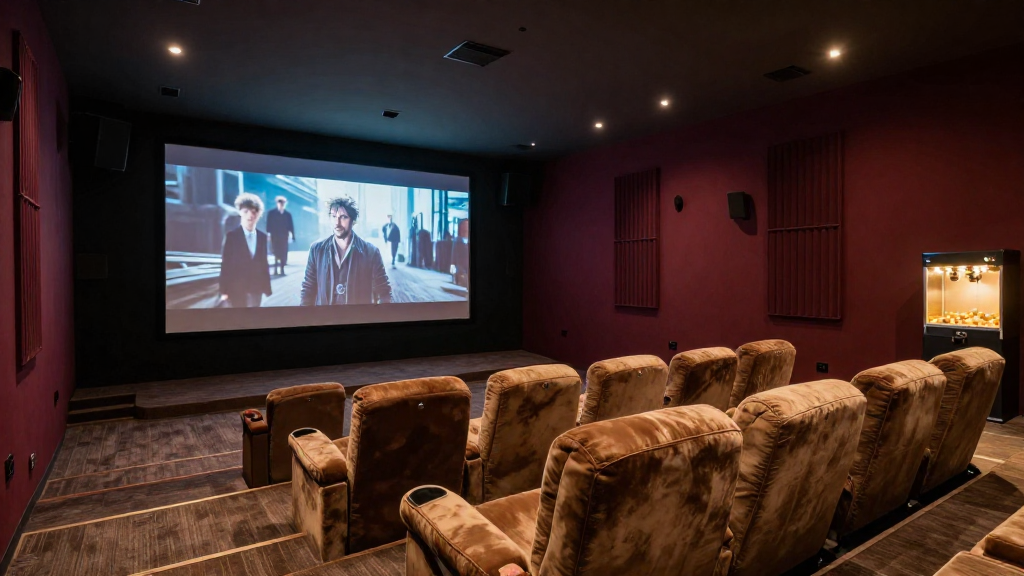
In this article, we will explore the essential steps on how to design a home theater room that meets your entertainment needs.
What are the Key Elements of a Home Theater?
When embarking on your home theater design, it’s crucial to understand the key elements that contribute to a successful setup. Knowing these elements will help you create a space that is not only functional but also enjoyable.
Screen Selection
The screen is the centerpiece of your home theater. You can choose between a projector screen or a large flat-screen TV. Consider the size of your room and the viewing distance when making your selection.
Sound System
A quality sound system is vital for an immersive experience. Invest in a surround sound setup, which typically includes a receiver, speakers, and subwoofers. Brands like Bose and Sonos offer great options.
Seating Arrangement
Your seating arrangement can greatly affect the overall experience. Opt for comfortable, theater-style seating that allows everyone to have a clear view of the screen. Arrange seats at different heights or use risers for better sightlines.
How Do I Choose the Right Room for My Home Theater?
Selecting the right room is one of the most critical decisions in how to design a home theater. The ideal space should be conducive to sound and light control.
Room Size Considerations
The size of the room will dictate your screen size and seating layout. Ideally, a larger room allows for a bigger screen and more seating options. A minimum size of 12×15 feet is often recommended.
Light Control
Consider rooms that can be easily darkened to enhance the viewing experience. Use blackout curtains and minimize windows to control ambient light.
Acoustic Properties
Acoustic treatment is essential. Look for a space with carpeted floors and soft furnishings, which help absorb sound. You can also add soundproofing materials to the walls for better sound quality.
What Technology Should I Include in My Home Theater?
When designing your home theater, selecting the right technology is key to achieving a cinematic experience. Here’s a breakdown of what you should consider.
Video Equipment
Invest in high-definition video equipment. A 4K projector or TV is a great choice for vibrant images. Ensure your source devices, like Blu-ray players and streaming devices, support high-definition output.
Audio Equipment
Your audio setup should complement your video equipment. A quality receiver that supports Dolby Atmos can elevate your sound experience. Don’t forget to consider wireless options for flexibility.
Control Systems
A home automation system can simplify your viewing experience. Consider systems like Control4 or Crestron, which allow you to control everything from lights to audio with a single remote.
How Can I Decorate My Home Theater?
Decoration plays a significant role in creating the right ambiance for your home theater. Thoughtful design choices can enhance your overall experience.
Color Schemes
Dark colors often work best in home theaters as they minimize light reflection. Consider deep reds, navy blues, or charcoal grays for your walls. Pair these with lighter accents for a balanced look.
Theming
Some homeowners enjoy theming their home theaters. Whether it’s a classic cinema style or a modern lounge, pick a theme that resonates with your personality. Use decor elements like movie posters and themed lights to enhance the experience.
Lighting Options
Lighting is crucial in setting the mood. Use dimmable lights or LED strips that can change colors. Install sconces or recessed lighting to maintain a cinematic feel while ensuring comfort.
What Are Some Common Mistakes to Avoid?
When learning how to design a home theater, it’s important to be aware of common mistakes that can detract from your experience. Avoiding these pitfalls will save you time and money.
Neglecting Acoustics
Many people overlook the importance of acoustics. Poor sound quality can ruin even the best visuals. Ensure you consider soundproofing and acoustic treatments during your design process.
Improper Seating Arrangement
Positioning your seating too close or too far from the screen can hinder the experience. Always measure the distance between the screen and seats to ensure optimal viewing.
Ignoring Technology Compatibility
All technology components should be compatible. Before making purchases, verify that your sound system, projector, and screen all work together seamlessly.
How Much Should I Budget for a Home Theater?
Budgeting is a crucial aspect of how to design a home theater. Understanding the costs involved can guide your decisions and help you stay within budget.
Equipment Costs
The equipment will likely comprise the bulk of your budget. Depending on your choices, a basic setup can start at around $2,000, while high-end systems may exceed $10,000.
Installation and Acoustic Treatments
Don’t forget to factor in installation costs, especially if you’re hiring professionals. Acoustic treatments can also add to your budget, but they are worth the investment for sound quality.
Future Upgrades
Consider setting aside a portion of your budget for future upgrades. Technology evolves quickly, and having a financial cushion will allow you to enhance your system over time.
In conclusion, designing a home theater room involves careful planning and consideration of various elements, from technology to room selection. By following these guidelines on how to design a home theater, you can create a space that delivers an exceptional entertainment experience.