
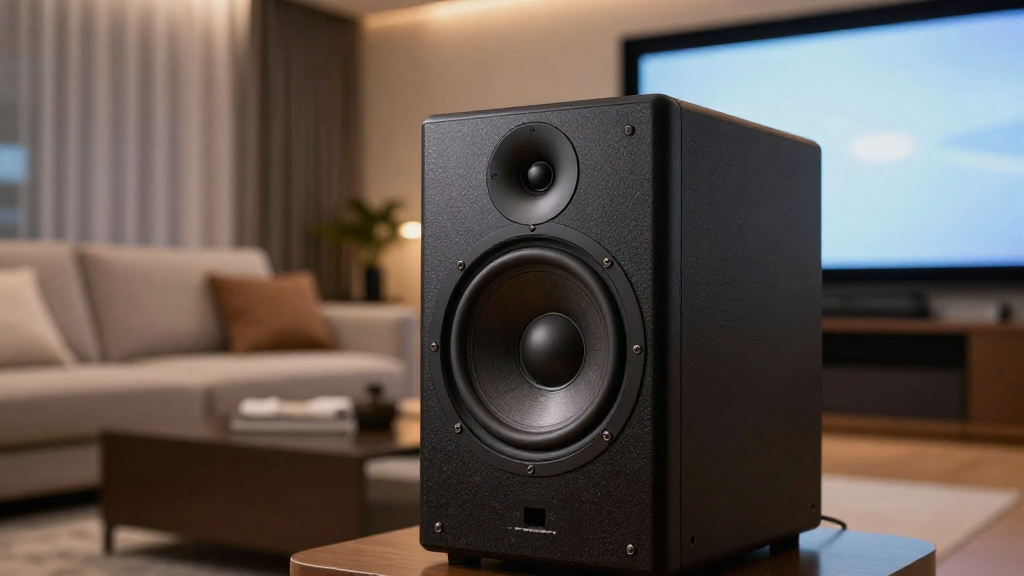
This article delves into the mechanics and functionality of home theater subwoofers, explaining how they enhance your audio experience.
What Exactly Are Home Theater Subwoofers?
Home theater subwoofers are specialized speakers designed to reproduce low-frequency sounds, typically below 80 Hz. These sounds include bass and rumbling effects that add depth and realism to movies, music, and games. By understanding how home theater subwoofers work, you can appreciate their vital role in your audio setup.
Components of a Subwoofer
A home theater subwoofer consists of several key components:
- Driver: The driver is the main component that produces sound. It is usually larger than standard speakers to handle low frequencies.
- Enclosure: The enclosure is the box that houses the driver. It affects the sound quality and performance of the subwoofer.
- Amplifier: Many subwoofers have built-in amplifiers that provide the necessary power to produce deep bass sounds.
Types of Subwoofers
There are several types of home theater subwoofers, each with distinct characteristics:
- Passive Subwoofers: These require an external amplifier to function.
- Active Subwoofers: Equipped with a built-in amplifier, they are easier to set up.
- Ported Subwoofers: These have ports that enhance bass performance.
How Do Home Theater Subwoofers Enhance Audio Quality?
Understanding how home theater subwoofers work is essential for maximizing your audio experience. They play a crucial role in providing a rich soundscape that immerses viewers in their content.
Low-Frequency Reproduction
Home theater subwoofers are designed to reproduce low-frequency sounds, which are essential for creating an immersive audio experience. Low frequencies contribute to the feeling of depth in soundtracks and can even provide a physical sensation through vibrations. This capability is particularly noticeable during action scenes in movies.
Separation of Frequencies
By handling only low frequencies, subwoofers allow main speakers to focus on midrange and high frequencies. This separation enhances overall audio clarity and detail, ensuring that dialogues and sound effects are crisp and distinguishable. This specialized function is what makes subwoofers indispensable in home theater systems.
Room Calibration
Many modern subwoofers come with built-in room calibration technology. This feature analyzes the acoustics of your space and adjusts the subwoofer’s output accordingly. As a result, you achieve optimal sound quality regardless of room size or shape, making it easier to set up your home theater system.
Where Should You Place Your Subwoofer?
The placement of your home theater subwoofer can significantly impact its performance. Knowing how home theater subwoofers work can help you choose the best spot to enhance sound quality.
Corner Placement
Placing a subwoofer in a corner can amplify its output due to the walls reflecting sound waves. This position enhances bass response but may lead to uneven sound distribution. It’s often a good starting point for experimentation.
Mid-Wall Placement
For a more balanced sound, consider placing the subwoofer along a mid-wall. This position can provide a more even distribution of bass throughout the room, making it a popular choice for many home theater enthusiasts.
Testing Different Locations
Ultimately, the best placement varies based on your room’s acoustics. It’s advisable to test different locations and listen for the most balanced bass response. Using a method known as the “subwoofer crawl,” you can find the ideal spot by moving the subwoofer around while sitting in your primary listening position.
How Do You Connect a Home Theater Subwoofer?
Connecting your home theater subwoofer properly is essential for achieving optimal performance. Understanding how home theater subwoofers work will help you set up your system effectively.
Wired Connections
Most subwoofers connect via a single RCA cable, which transmits the low-frequency signal from your AV receiver. This connection is straightforward and ensures high-quality audio transmission. Ensure you use a quality cable to minimize signal loss.
Wireless Connections
Some modern subwoofers offer wireless connectivity, eliminating the need for physical cables. When using a wireless subwoofer, ensure that it is compatible with your receiver. This option provides flexibility in placement and reduces cable clutter.
AV Receiver Settings
Once connected, adjust your AV receiver settings for optimal performance. This includes enabling the subwoofer output and configuring the crossover frequency. Setting the crossover frequency correctly ensures that the subwoofer only handles low frequencies while the main speakers handle the rest.
What Are the Benefits of Using a Home Theater Subwoofer?
The advantages of incorporating a home theater subwoofer into your audio setup are numerous. Understanding how home theater subwoofers work can help you appreciate these benefits.
Enhanced Sound Experience
Subwoofers significantly enhance your overall sound experience by providing deep bass that standard speakers cannot reproduce. This added depth makes movies more thrilling and music more enjoyable. If you love high-impact audio, a subwoofer is a must-have.
Improved Clarity
By offloading low-frequency sounds to the subwoofer, your other speakers can focus on higher frequencies. This division of labor leads to improved clarity in dialogues and musical details, allowing for a more engaging experience.
Customization and Control
Many subwoofers come with adjustable settings, allowing you to customize bass levels to suit your preferences. This versatility lets you tailor your audio experience to different types of media, whether it’s movies, music, or gaming.
Conclusion: Are Home Theater Subwoofers Worth It?
Considering all the above factors, it’s clear that understanding how home theater subwoofers work can elevate your audio experience. From enhancing sound quality to providing flexibility in setup, subwoofers offer numerous advantages. If you enjoy immersive audio experiences, investing in a high-quality home theater subwoofer is certainly worth it.