
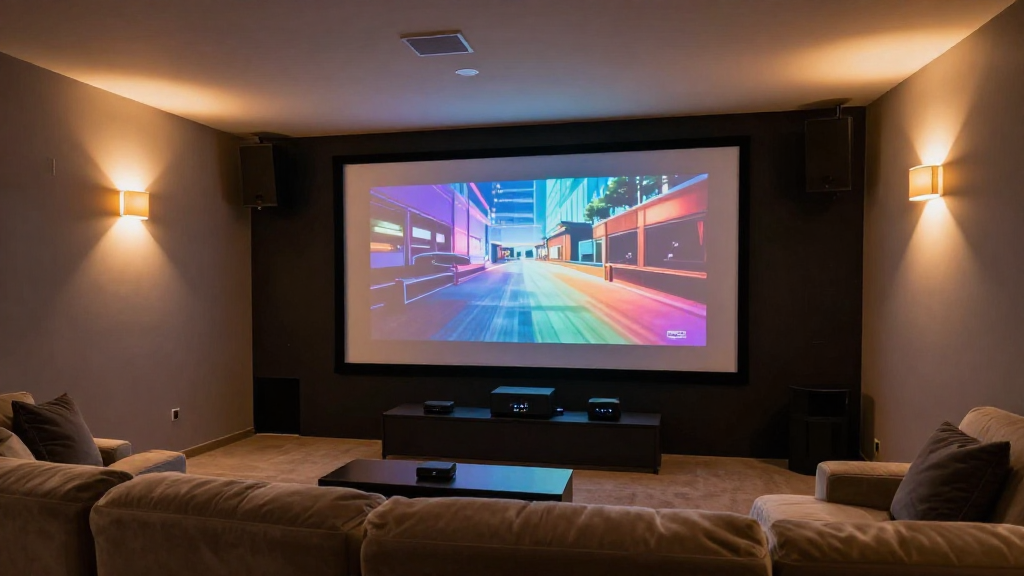
In this article, we will explore the various home theater video codecs explained, focusing on their importance and functionality in delivering high-quality visual experiences.
What Are Video Codecs?
Video codecs are essential components in the world of digital video, as they compress and decompress video files. Understanding home theater video codecs explained is crucial for achieving optimal picture quality.
Definition and Purpose
A video codec, short for coder-decoder, is a technology that encodes digital video files to reduce their size for storage and transmission. The primary purpose of a codec is to make video files manageable without losing significant quality. In a home theater setup, using the right codec is vital for ensuring smooth playback and sharp visuals.
Types of Video Codecs
There are numerous video codecs available, each with its unique attributes. Common types include:
- H.264: A widely used codec that balances quality and file size.
- HEVC (H.265): An advanced codec that offers better compression for 4K and HDR content.
- AV1: An emerging codec that promises high efficiency and quality at lower bitrates.
Codec Performance and Quality
The performance of a codec can significantly impact video quality. Factors such as bitrate and resolution play a crucial role in determining how well a codec performs. Higher bitrates generally lead to better quality, but they also result in larger file sizes.
Why Do Home Theater Enthusiasts Care About Codecs?
Home theater enthusiasts focus on codecs because they directly affect viewing experiences. Knowing the home theater video codecs explained allows for better choices in equipment and content.
Impact on Video Quality
The choice of codec can determine how crisp and clear the visuals appear on the screen. For instance, using HEVC for 4K content can significantly enhance the viewing experience by offering better detail without bloating file sizes. Consequently, selecting the right codec is crucial for enjoying high-quality home theater experiences.
Compatibility with Devices
Not all devices support every codec, making compatibility a significant consideration. For example, while most smart TVs can handle H.264, not all can play AV1. Ensuring that your home theater system supports the desired codec can prevent playback issues.
Streaming Services and Codecs
Many streaming platforms, such as Netflix and Amazon Prime, utilize specific codecs to deliver their content. Understanding which codecs are employed can help users select the appropriate streaming quality and optimize their home theater settings.
Which Codecs Are Best for 4K Content?
When it comes to 4K content, selecting the right codec is even more critical. Here, we delve deeper into home theater video codecs explained specifically for high-resolution formats.
HEVC (H.265)
HEVC is often regarded as the go-to codec for 4K video due to its superior compression capabilities. It allows for high-quality video streaming at lower bitrates, making it ideal for bandwidth-constrained environments. Many 4K Blu-ray discs also use this codec for optimal playback.
AV1 Codec
The AV1 codec is gaining traction as a free and open-source option that provides excellent video quality at reduced file sizes. While still emerging, its potential for 4K content is promising, as it outperforms H.264 and HEVC in terms of efficiency.
Comparison of Codecs
When considering which codec to use for 4K content, it’s essential to compare their features:
- HEVC: Best for current 4K playback with existing compatibility.
- AV1: Future-proof option with superior compression for next-gen devices.
How Do Codecs Affect Streaming Quality?
The impact of codecs on streaming quality is profound. Understanding home theater video codecs explained can significantly enhance your streaming experience.
Bitrate Management
Codecs play a crucial role in managing bitrate, which directly affects streaming quality. A higher bitrate often results in better quality but requires more bandwidth. Thus, selecting a more efficient codec like HEVC can improve performance in low-bandwidth scenarios.
Adaptive Streaming
Many streaming platforms use adaptive streaming technologies that adjust video quality based on the available bandwidth. Codecs such as H.264 and HEVC are designed to work seamlessly with these technologies, ensuring an uninterrupted viewing experience.
Buffering and Latency Issues
Choosing the wrong codec can lead to buffering or latency problems during playback. For instance, using a codec that compresses video too much might cause delays in streaming, which can be frustrating for viewers. Therefore, selecting an appropriate codec is essential for smooth streaming.
What Should You Consider When Choosing a Codec?
Choosing the right codec for your home theater setup requires careful consideration of various factors related to performance and compatibility.
Content Type
The type of content you plan to watch significantly influences your codec choice. For example, if you primarily watch 4K action movies, HEVC would be ideal due to its efficiency. Conversely, for standard HD content, H.264 is often sufficient.
Device Compatibility
Ensure that your devices, from smart TVs to streaming boxes, support the desired codec. This will help you avoid compatibility issues that can lead to playback failures. A quick check of device specifications can save you time and frustration.
Future-Proofing Your Setup
As technology advances, codecs evolve as well. Opting for newer codecs like AV1 can help future-proof your home theater setup, ensuring that you can enjoy the latest content without needing to upgrade your equipment frequently.
Conclusion: Which Home Theater Video Codecs Matter?
In summary, understanding home theater video codecs explained is essential for achieving the best viewing experience possible. By considering factors such as video quality, device compatibility, and content type, you can make informed decisions that will enhance your home theater setup. Ultimately, choosing the right codec can elevate your movie nights, ensuring that your home theater remains at the cutting edge of technology.