
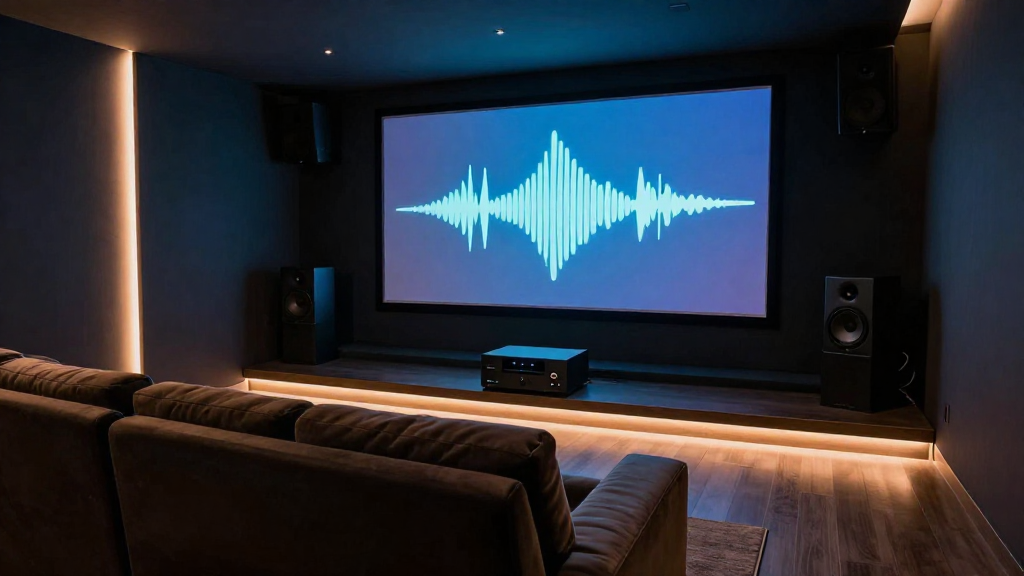
This article explains home theater test tones and their significance in optimizing audio systems.
What Are Home Theater Test Tones?
Home theater test tones are specific audio signals used to calibrate and assess the performance of audio systems. These tones help in balancing sound levels and ensuring that all speakers are functioning correctly. Typically, they consist of various frequencies that can reveal how well each speaker performs within a home theater setup.
Types of Test Tones
- Sine Waves: Pure tones at specific frequencies.
- Pink Noise: A sound that contains all frequencies at equal intensity, ideal for room acoustics testing.
- White Noise: Contains all audible frequencies but with equal power, useful for general audio testing.
Purpose of Test Tones
The main purpose of home theater test tones is to assist in the calibration of audio equipment. By utilizing these tones, users can identify imbalances in speaker levels, delay settings, and frequency response. Additionally, test tones can help ensure that the surround sound configuration is optimized for an immersive experience.
How to Use Test Tones
Using test tones effectively involves playing them through your home theater system and adjusting settings accordingly. Most audio receivers come with built-in test tone generators, making it easier to perform these adjustments. Users can also find dedicated calibration discs or software that provide specific test tones for detailed analysis.
Why Are Test Tones Important in Home Theater?
Test tones are crucial for ensuring that your home theater system delivers the best possible audio quality. By understanding their importance, users can significantly enhance their viewing and listening experiences. Proper calibration can lead to better sound staging, clarity, and overall performance.
Enhancing Audio Quality
One of the most significant benefits of using home theater test tones is the enhancement of audio quality. Proper calibration ensures that each speaker outputs sound at the correct level, providing a balanced listening experience. This is especially important in surround sound setups, where the positioning of speakers plays a critical role in audio perception.
Identifying Issues
Test tones can help identify issues within your audio setup. If a speaker is not functioning correctly or if there is a significant delay, it can be spotted easily when using test tones. This allows users to troubleshoot problems before they escalate, saving time and improving overall satisfaction.
Room Acoustics Considerations
The acoustics of a room can greatly affect audio performance. Home theater test tones can assist in analyzing how sound behaves in your space, helping to identify areas of resonance or echo. Understanding these factors can lead to better placement of speakers and sound treatments to optimize audio quality.
How Can You Create Your Own Test Tones?
Creating your own home theater test tones can be a rewarding experience and allows for personalized calibration. With the right tools and software, users can generate tones tailored to their specific needs. This can provide additional insights into the audio performance of their equipment.
Using Software Tools
There are various software tools available that can generate test tones. Programs like Audacity or specialized audio calibration software can create sine waves and pink noise for testing. Users simply need to configure the software to produce the desired frequencies.
Purchasing Calibration Discs
For those who prefer a more straightforward approach, calibration discs are available for purchase. These discs typically include a range of test tones and guidance on how to use them effectively. They can be a great addition to any home theater toolkit.
Online Resources
Numerous online resources and websites provide free test tone downloads. Users can find files for various frequencies and types of noise that can be played through their home theater systems. This is an easy way to access test tones without additional costs.
What Should You Consider When Using Test Tones?
While using home theater test tones is beneficial, certain considerations will enhance your calibration experience. Being aware of these factors can help you achieve optimal results when tuning your audio system.
Room Setup and Speaker Placement
The setup of your room and the placement of speakers is critical when using test tones. If speakers are not positioned correctly, the test tones may not provide accurate results. It’s essential to place speakers at ear level and ensure they are evenly spaced for the best sound distribution.
Listening Environment
The environment in which you listen will impact the effectiveness of test tones. Factors like furniture, windows, and wall materials can affect sound waves. Ensuring that your listening area is as neutral as possible will yield better calibration outcomes.
Regular Calibration
Regularly calibrating your home theater system with test tones is essential for maintaining optimal performance. Changes in room setup, speaker positioning, or even new equipment may necessitate recalibration. Making it a routine practice will ensure your system continues to deliver high-quality audio.
Conclusion: Mastering Home Theater Test Tones
Understanding and using home theater test tones can drastically improve your audio experience. Whether you’re a casual viewer or an audiophile, these tones are a valuable tool for calibrating your sound system. By regularly utilizing test tones, you ensure that your home theater remains a source of enjoyment and quality sound.