
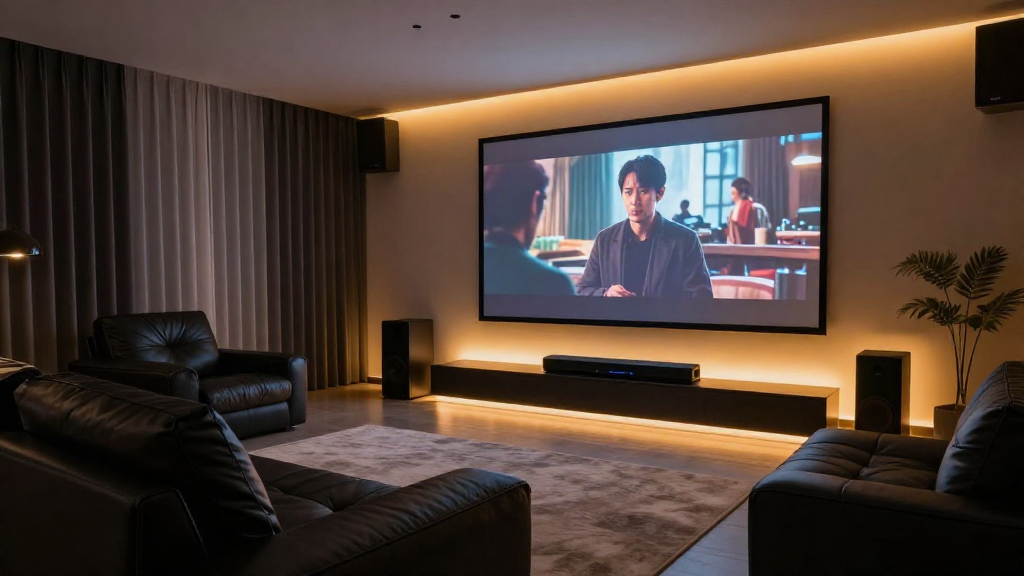
A home theater system explained encompasses various components that create an immersive audio-visual experience. In this article, we will explore how these systems function and what they consist of.
What Are the Main Components of a Home Theater System?
Understanding the main components is crucial for grasping how a home theater system operates. Each part plays a vital role in contributing to the overall experience.
1. Television or Projector
The centerpiece of any home theater system is the display device. You can choose between a large-screen television or a projector, depending on your space and preference.
- Television: Offers convenience and is easy to set up.
- Projector: Provides a larger screen experience, ideal for movie nights.
2. Audio System
The audio system is fundamental for delivering high-quality sound. It typically includes speakers and an audio receiver.
- Speakers: Surround sound systems often consist of multiple speakers placed around the room.
- Audio Receiver: Acts as the hub that connects all audio sources and controls sound distribution.
3. Source Devices
Source devices provide the content that you will watch or listen to. Common source devices include:
- Streaming Devices: Such as Roku, Apple TV, or Amazon Fire Stick.
- Blu-ray Players: For high-definition video playback.
- Game Consoles: Offering both gaming and media playback capabilities.
How Do Home Theater Systems Connect?
Understanding the connection methods within a home theater system is essential for seamless operation. Various connection types are used to link the components.
1. HDMI Connections
HDMI (High-Definition Multimedia Interface) connections are the most common for transmitting both audio and video signals. This single cable reduces clutter and simplifies setup.
- High Quality: Supports high-definition video and multi-channel audio.
- Ease of Use: Plug-and-play functionality makes it user-friendly.
2. Optical and Coaxial Cables
For high-quality audio transmission, optical and coaxial cables are often used. These cables can provide superior sound quality for home theater systems.
- Optical Cables: Transmit audio signals in digital format, reducing interference.
- Coaxial Cables: Also carry digital audio signals but use a different type of connector.
3. Wireless Connections
Wireless connections have become increasingly popular, allowing for flexibility and reduced clutter. Many modern home theater systems support wireless audio and video streaming.
- Wi-Fi: Enables streaming from various devices without physical cables.
- Bluetooth: Allows for easy connection to speakers and soundbars.
What Makes a Home Theater System Different from Regular Audio Systems?
While both systems provide sound, a home theater system is specifically designed to enhance the movie-watching experience. Understanding the differences can help you make an informed decision.
1. Surround Sound vs. Stereo Sound
Regular audio systems typically emphasize stereo sound, while home theater systems focus on surround sound. This creates a more immersive experience.
- Surround Sound: Uses multiple speakers to envelop the listener in sound.
- Stereo Sound: Limited to two channels, providing a less immersive listening experience.
2. Video Integration
Home theater systems integrate video and audio seamlessly, providing a cohesive experience. Regular audio systems do not include video components.
- Video Sources: Can connect multiple devices like gaming consoles and streaming services.
- Video Quality: Supports various resolutions, including 4K and HDR.
3. Enhanced Features
Home theater systems often come equipped with advanced features such as room calibration and smart technology. These features are typically absent in standard audio systems.
- Room Calibration: Adjusts sound based on room acoustics for optimal performance.
- Smart Integration: Allows control through smart devices and voice assistants.
How Can You Optimize Your Home Theater Experience?
To get the most out of your home theater system, optimization is key. Here are several tips to enhance your viewing and listening experience.
1. Room Setup
The layout of your room plays a significant role in audio and video quality. Proper placement of speakers and the screen can vastly improve the experience.
- Speaker Placement: Position speakers to create an optimal soundstage.
- Viewing Distance: Ensure an appropriate distance between the screen and seating for the best visual experience.
2. Calibrate Your System
Calibration ensures that your system produces the best sound and picture quality. Many systems come with calibration tools to assist in this process.
- Audio Calibration: Adjusts speaker levels and distances for balanced sound.
- Video Calibration: Tweaks brightness, contrast, and color settings for optimal visuals.
3. Upgrade Components
As technology advances, so do the components of home theater systems. Upgrading specific parts can enhance your experience significantly.
- Speakers: Investing in high-quality speakers can improve sound clarity.
- Receiver: A modern receiver can offer better connectivity and sound processing.
What Are the Benefits of Having a Home Theater System?
A home theater system explained reveals numerous advantages that enhance entertainment at home. Here are some significant benefits.
1. Immersive Experience
One of the primary benefits of a home theater system is the immersive experience it provides. You will feel as if you are part of the movie or game.
- High-Quality Audio: Surround sound enhances the realism of sound effects and dialogue.
- Cinematic Visuals: Large screens and high-definition resolution improve visual engagement.
2. Convenience
Having a home theater system means you can enjoy movies and games in the comfort of your home. This convenience is unmatched compared to traditional cinema outings.
- No Travel: Eliminate the hassle of traveling to a theater.
- Control: Enjoy the freedom to pause, rewind, or stop whenever you wish.
3. Customization
Home theater systems allow for a high degree of customization. You can tailor the setup to your preferences and space.
- Personal Preferences: Choose components that align with your taste and requirements.
- Room Design: Create a home theater that complements your home decor.