
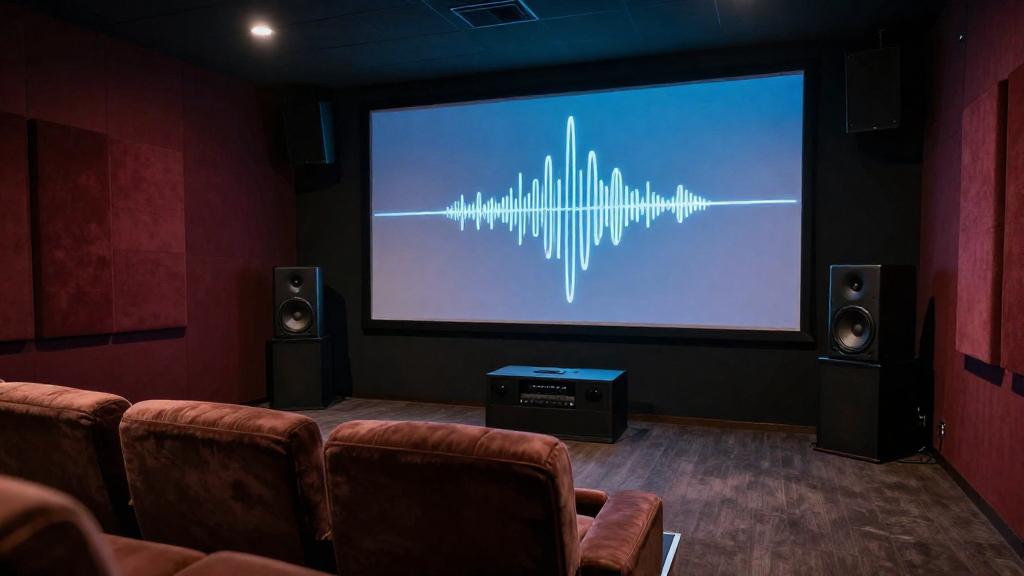
In this article, we will explore the concept of home theater standing waves explained and how they impact your audio experience.
What Are Standing Waves?
Standing waves occur when sound waves reflect off surfaces, creating areas of constructive and destructive interference. This phenomenon is crucial to understand in a home theater setting, as it can greatly affect sound quality.
Definition of Standing Waves
A standing wave is a stationary wave pattern created by the interference of two traveling waves moving in opposite directions. In a home theater, these waves can bounce off walls, ceilings, and other surfaces, leading to variations in sound intensity in different areas of the room.
How Are They Created?
Standing waves are generated when sound waves emitted from speakers reflect off room boundaries. For instance, if you have a sound wave traveling toward a wall, it reflects back and interacts with the incoming wave, forming a standing wave. This process can lead to specific frequencies being amplified or canceled out.
Importance in Home Theater Systems
Understanding standing waves is essential for optimizing sound in home theater audio. If not properly managed, they can lead to uneven sound distribution, where some areas are too loud while others are too quiet. This can significantly detract from the overall viewing experience.
How Do Standing Waves Affect Sound Quality?
Standing waves can create a range of sound quality issues in a home theater setup. Recognizing these effects can help you make adjustments for a better audio experience.
Frequency Response Issues
One major impact of standing waves is on frequency response. Certain frequencies may be overly pronounced, leading to a boomy sound, while others can be diminished. This unevenness can distort the clarity and richness of audio.
Distortion and Phase Cancellation
Standing waves can cause distortion as sound waves interfere with each other. Phase cancellation occurs when waves cancel each other out, creating dead spots in your audio field. These areas can result in a lack of clarity and detail in sound reproduction.
Listening Position Variability
The location of your seating can significantly affect how you experience standing waves. Different positions in the room will yield distinct audio characteristics. It’s essential to find an optimal listening position that minimizes the negative effects of standing waves.
What Are the Best Solutions for Standing Waves?
Managing standing waves effectively can improve your home theater experience. Here are some strategies that can help mitigate their effects.
Room Acoustics Treatment
Implementing room acoustics treatments can help control standing waves. Consider using acoustic panels, bass traps, and diffusers to absorb and scatter sound waves. These treatments can significantly enhance the overall sound quality.
Speaker Placement
The placement of your speakers is crucial in reducing standing waves. Experiment with positioning your speakers away from walls and corners to minimize reflections. Additionally, angling speakers toward the listening area can improve sound distribution.
Subwoofer Positioning
Subwoofers are particularly susceptible to standing waves due to their low frequencies. Placing your subwoofer in different locations can help find the sweet spot that minimizes bass issues. Try the ‘subwoofer crawl’ technique to identify the best position.
Can Technology Help with Standing Waves?
Modern technology offers various tools to help manage standing waves in home theater audio systems. Utilizing these can lead to a more immersive experience.
Room Correction Software
Many home theater receivers come equipped with room correction software that analyzes your room’s acoustics. This software adjusts the sound output to compensate for standing waves and other acoustic issues, improving overall sound quality.
Equalization Techniques
Using equalization (EQ) can help adjust frequency levels affected by standing waves. By boosting or cutting specific frequencies, you can create a more balanced sound profile that minimizes problematic resonances.
Digital Signal Processing (DSP)
DSP technology can analyze and modify audio signals to counteract the effects of standing waves. Implementing DSP in your home theater can lead to clearer, more accurate sound reproduction, enhancing your overall listening experience.
Conclusion: Understanding Standing Waves in Home Theater Audio
In summary, understanding home theater standing waves explained is essential for achieving optimal audio performance. By recognizing how standing waves affect sound quality and implementing effective solutions, you can create a more enjoyable and immersive home theater experience.