
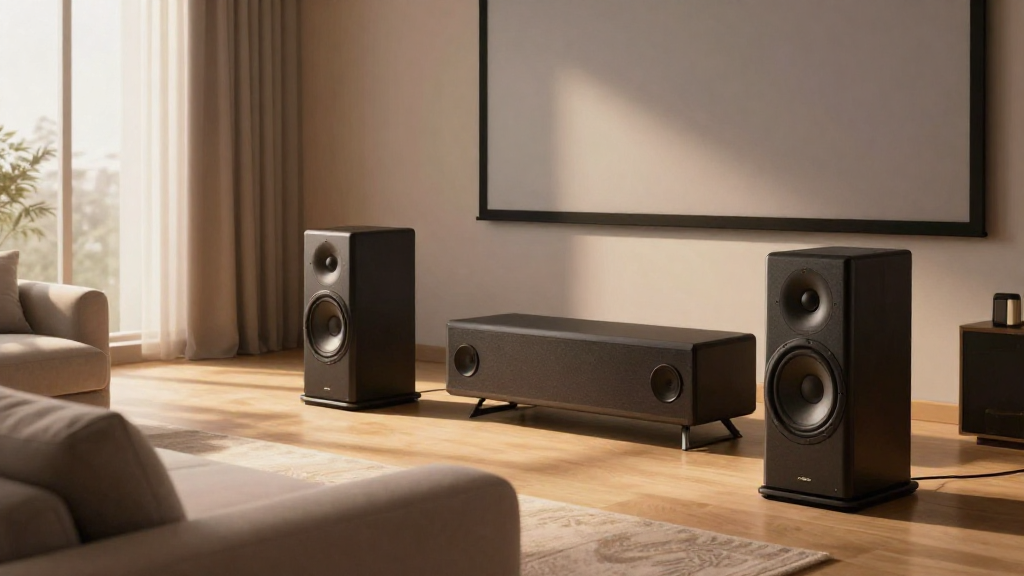
In this article, we will explore the concept of home theater speaker distance explained to help you achieve the best audio experience.
What Is the Ideal Distance Between Home Theater Speakers?
Understanding the ideal distance between your home theater speakers is crucial for an immersive audio experience. The placement of your speakers directly affects sound quality and clarity, making it essential to get it right.
Factors to Consider for Speaker Placement
- Room Size: The size of your room can influence how far apart your speakers should be placed. Larger rooms may require greater distances.
- Speaker Type: Different types of speakers, such as bookshelf or floor-standing speakers, may have varied optimal distances.
- Listening Position: The distance from your listening position to the speakers should also be factored into your placement decisions.
General Guidelines for Speaker Distance
While there are no one-size-fits-all answers, there are general guidelines to follow when determining how far apart to place your speakers.
- Place speakers at least 6 to 8 feet apart for a standard home theater setup.
- For larger spaces, consider increasing the distance to 10 to 12 feet.
- Ensure that the distance from each speaker to the listening position is equal for optimal sound balance.
Why Does Speaker Distance Matter?
The distance between your home theater speakers plays a significant role in the overall sound experience. Poorly placed speakers can lead to issues such as phase cancellation, which diminishes audio quality.
The Physics of Sound Waves
Sound travels in waves, and the distance between speakers can affect how these waves interact with one another.
- Phase Cancellation: If speakers are too close, sound waves can interfere with each other, leading to a hollow or muddy sound.
- Soundstage Creation: Proper spacing creates a broader soundstage, enhancing the immersive quality of your audio.
- Room Acoustics: The dimensions and materials of your room can amplify or dampen sound, making distance crucial.
Home Theater Layout Considerations
Planning your home theater layout involves more than just speaker placement; it’s about creating an optimized environment for sound.
- Consider using acoustic panels to enhance sound quality in your space.
- The arrangement of furniture can also affect how sound travels through the room.
- Experiment with different placements to find the best configuration for your specific setup.
What Are the Common Mistakes in Speaker Placement?
Many home theater enthusiasts make mistakes when it comes to speaker placement, which can lead to subpar audio experiences.
Ignoring Room Acoustics
One common mistake is neglecting the room’s acoustics, which can drastically affect sound quality.
- Hard surfaces can reflect sound waves, creating echoes and muddiness.
- Soft furnishings can absorb sound, leading to a more balanced audio experience.
- Consider the layout and materials in your room to reduce sound distortion.
Placing Speakers Too Close Together
Another frequent error is placing speakers too close, which can cause phase issues and reduced sound quality.
- Sound waves from closely placed speakers can interfere, leading to a lack of clarity.
- Ensure speakers are spaced adequately to prevent this issue.
- Try to maintain the recommended distance based on your room size and speaker type.
How Can You Optimize Your Speaker Distance?
Optimizing your home theater speaker distance involves a combination of experimentation and adherence to guidelines.
Utilizing Speaker Calibration Tools
Many modern home theater systems come with calibration tools to help you optimize speaker placement and distance.
- Use the built-in calibration feature in your AV receiver to adjust settings according to your room.
- Consider investing in a sound level meter to measure the output from each speaker.
- Adjust speaker distances based on the measurements to achieve a balanced sound.
Experimenting with Different Arrangements
Don’t be afraid to experiment with different speaker placements to find what works best for your setup.
- Try moving speakers closer or further apart to see how it affects sound quality.
- Change the height of the speakers to see if it improves your audio experience.
- Involve friends or family in listening tests to get a second opinion on adjustments.
What Are the Recommended Distances for Different Speaker Setups?
The optimal distance between speakers can vary based on the type of home theater setup you have.
For 5.1 Surround Sound Systems
In a 5.1 system, you usually have five speakers and one subwoofer, and proper placement is key.
- Front left and right speakers should be positioned 6 to 10 feet apart.
- The center speaker should be placed directly in front of the listening area for optimum dialogue clarity.
- Rear speakers should be 2 to 4 feet behind the listening position for a comprehensive audio experience.
For 7.1 Surround Sound Systems
In a 7.1 setup, you have two additional rear speakers, which changes the placement dynamics.
- Maintain a distance of 8 to 12 feet between the front left and right speakers.
- Position the rear speakers 4 to 6 feet behind the listening area.
- Ensure that the side speakers are at ear level for the best sound immersion.
Conclusion: Finding the Perfect Home Theater Speaker Distance
In summary, understanding home theater speaker distance explained is essential for creating an optimal audio environment. By considering factors such as room size, speaker type, and listening position, you can achieve the best sound experience possible. Don’t hesitate to experiment with different arrangements and utilize technology to refine your setup. With careful planning and placement, your home theater can deliver an exceptional audio experience.