
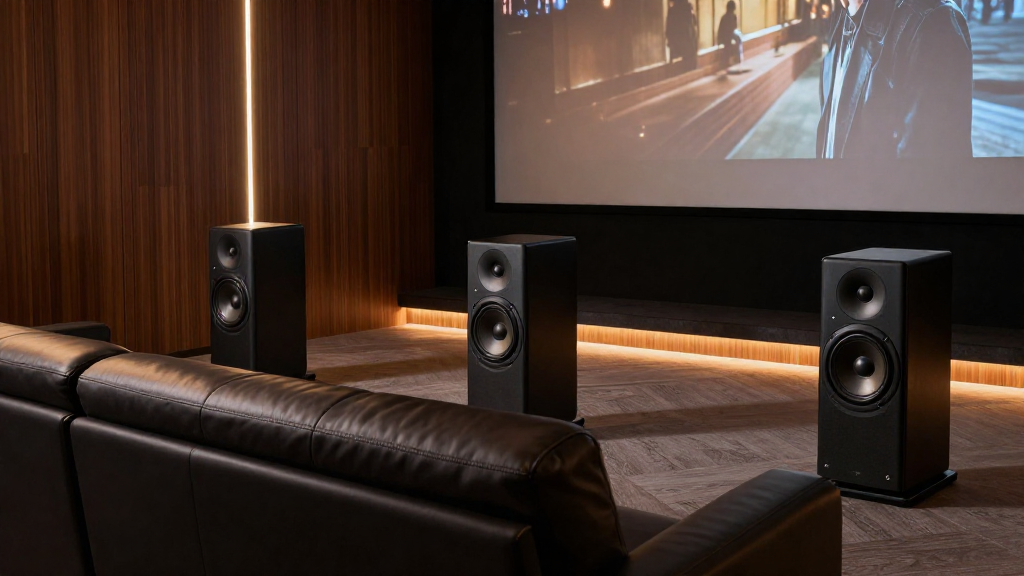
In this article, we will discuss the correct speaker angles for home theater setups, ensuring you achieve the best audio experience possible.
What Are Home Theater Speaker Angles?
Home theater speaker angles refer to the positioning of speakers in relation to the listener’s seating area. Getting these angles right is crucial for optimal sound quality. The correct angles help create a more immersive audio experience, allowing you to enjoy movies and music as intended.
Understanding the Basics
Home theater speaker angles are typically measured in degrees. They are designed to direct sound waves toward the listener’s ears. For example, front speakers should be angled towards the primary seating area.
Importance of Speaker Positioning
Proper speaker positioning can significantly affect the overall sound quality. For instance, speakers placed too far apart or too close can create an unbalanced audio experience. Correct angles help maintain clarity and depth in sound.
Common Speaker Configurations
- 5.1 Surround Sound
- 7.1 Surround Sound
- Dolby Atmos Configuration
Each configuration requires specific angles to maximize audio performance. Understanding these configurations will help you set up your home theater effectively.
How to Measure Speaker Angles?
Measuring speaker angles involves determining the distance and placement of each speaker in relation to the listener. Accurate measurements ensure that sound waves reach the ears correctly.
Using a Protractor
A protractor can be used to measure the angles between speakers and the listening area. This tool is essential for achieving precise angles. By ensuring that your speakers are positioned at the right angles, you can enhance sound clarity.
Calculating Distance
Distance plays a critical role in how sound is perceived. Ideally, front speakers should be equidistant from the primary seating area. This balance helps create a cohesive audio experience.
Utilizing a Sound Meter
A sound meter can help you evaluate the sound levels from each speaker. This tool will help you fine-tune speaker angles for an optimal experience. Adjusting angles based on sound measurements can lead to significant improvements in audio quality.
What Are the Ideal Angles for Different Speakers?
Different types of speakers require specific angles for the best audio performance. Understanding these angles is vital for maximizing your home theater experience.
Front Speakers
Front speakers should ideally form a 22 to 30-degree angle from the listener’s position. This angle allows sound to be directed towards the audience effectively. Proper positioning enhances the clarity of dialogue and musical elements.
Surround Speakers
Surround speakers should be placed at a 90 to 110-degree angle from the listening position. This placement creates an immersive sound environment. The correct angle helps produce a three-dimensional audio experience, vital for cinematic enjoyment.
Subwoofers
Subwoofers can be placed at various angles, but they should ideally be positioned near walls or corners. This positioning enhances bass response. Experimenting with angles can help you find the right placement for your specific room acoustics.
How Can Room Acoustics Affect Speaker Angles?
Room acoustics play a significant role in how sound is perceived. Factors such as wall materials, furniture, and room shape can all influence speaker angles.
Sound Reflections
Sound reflections occur when audio waves bounce off walls and surfaces. These reflections can alter the intended sound. Adjusting speaker angles can help mitigate unwanted reflections and improve sound clarity.
Room Shape and Size
The shape and size of your room can affect how sound travels. In larger rooms, wider angles may be necessary for an immersive experience. Conversely, smaller rooms may require tighter angles to maintain sound quality.
Acoustic Treatments
- Wall panels
- Rugs and carpets
- Ceiling treatments
Incorporating acoustic treatments can help manage sound reflections. This can lead to improved audio clarity, allowing you to enjoy your home theater setup fully.
What Are Some Common Mistakes to Avoid?
Many homeowners make mistakes when setting up speaker angles, leading to suboptimal audio experiences. Being aware of these mistakes can help you avoid them.
Incorrect Distances
One common mistake is placing speakers at uneven distances from the listening area. This imbalance can create an uneven sound field. Ensuring equal distances helps maintain audio clarity.
Ignoring Surround Sound Placement
Another mistake is neglecting the placement of surround speakers. Surround speakers must be positioned correctly to create a full audio experience. Failing to do so can result in a flat soundstage.
Overlooking Room Acoustics
Many individuals overlook the impact of room acoustics on speaker angles. Ignoring this factor can lead to diminished audio quality. Taking room acoustics into account is essential for achieving the best sound.
Can You Adjust Speaker Angles Over Time?
Yes, speaker angles can be adjusted over time as your needs change or as you upgrade your equipment. Fine-tuning your setup can lead to improved audio quality.
Regular Evaluation
Regularly evaluating your speaker angles can help you adapt to changing room conditions. This evaluation ensures that your sound experience remains optimal. Making adjustments based on new furniture or decor can also enhance sound quality.
Upgrading Equipment
When upgrading audio equipment, it may be necessary to re-evaluate your speaker angles. New speakers may have different specifications that require adjustments. Ensuring that your angles are ideal for your new setup will enhance your listening experience.
Experimentation
Don’t hesitate to experiment with different angles and placements. This trial-and-error approach can lead to surprising improvements in audio quality. Continually seeking the best angles for your setup can enhance your home theater experience.