
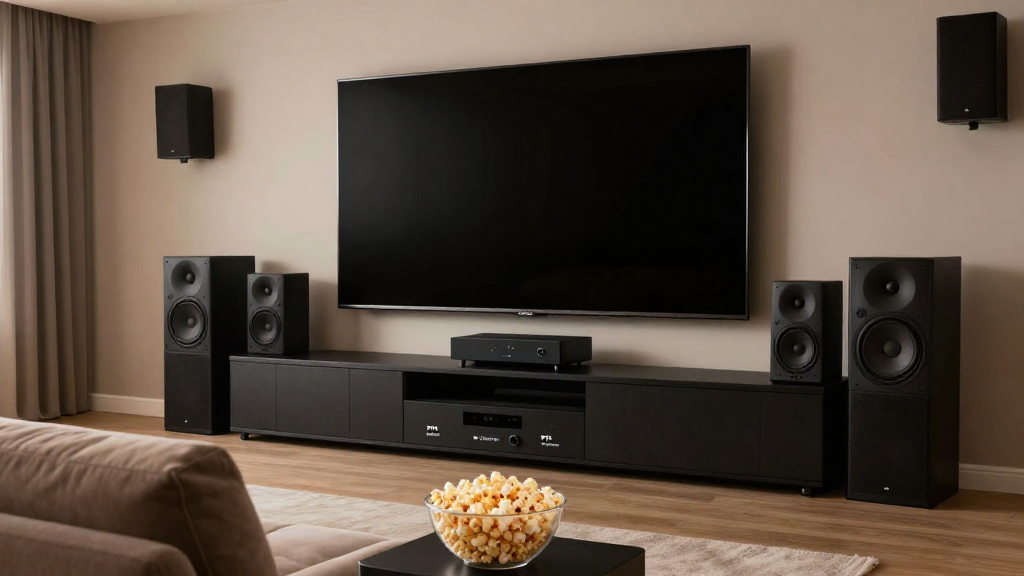
This article delves into the various home theater sound formats explained, offering insights into how they enhance your entertainment experience.
What Are Home Theater Sound Formats?
Home theater sound formats are essential audio technologies that determine how sound is produced and delivered in a home theater system. Different formats can significantly affect the overall sound quality, immersiveness, and clarity of the audio experience. Understanding these formats is crucial for anyone looking to set up or upgrade their home theater.
Common Types of Sound Formats
- Stereo – The most basic format, using two channels for audio playback.
- 5.1 Surround Sound – This format utilizes five speakers and one subwoofer, creating a more immersive sound experience.
- 7.1 Surround Sound – An extension of the 5.1 format, adding two more channels for enhanced audio detail.
Why Are Sound Formats Important?
The choice of sound format can greatly influence your listening experience. Different formats are designed to replicate the sound of a movie or music as closely as possible to the creator’s intent. This can include everything from dialogue clarity to the depth of sound effects.
How Do Sound Formats Differ?
Understanding the differences in sound formats is crucial for optimizing your home theater setup. Different formats offer unique features that cater to various audio preferences and room acoustics. Here’s a closer look at some of these differences.
Channel Configuration
- Mono: Single channel audio, suitable for basic sound.
- Stereo: Two channels, creating a sense of directionality.
- Multi-channel (e.g., 5.1, 7.1): Multiple speakers that create a surround sound experience.
Audio Quality and Bit Rate
Different formats also vary in audio quality, which is often measured by bit rate. Higher bit rates typically yield better sound quality, but they also require more storage space. Formats like Dolby Atmos offer high-resolution audio that enhances the listening experience.
Compatibility with Devices
Not all sound formats are compatible with every device. For instance, some soundbars may only support stereo or 5.1 formats, while high-end receivers can handle more advanced formats like Dolby Atmos. Always check your equipment’s specifications before investing in new sound formats.
What Are the Popular Sound Formats in Home Theater?
When configuring your home theater, it’s essential to know the most popular sound formats available. Each format has its strengths and is tailored for different types of audio experiences. Here’s a rundown of some of the most widely used formats.
Dolby Digital
Dolby Digital is one of the most common sound formats found in home theaters. It typically supports up to 5.1 channels, delivering a rich surround sound experience. Many movies and TV shows are mixed in this format, making it a solid choice for general viewing.
DTS (Digital Theater Systems)
Similar to Dolby Digital, DTS is another widely used sound format that offers multi-channel audio. DTS is known for its higher bit rates, which can result in better sound quality. Many home theater enthusiasts prefer DTS for its dynamic range and clarity.
Dolby Atmos
Dolby Atmos takes sound formats to the next level by adding height channels, allowing sounds to be perceived as coming from above. This format creates a truly immersive audio environment, especially beneficial for action movies and video games. However, it requires compatible hardware for the full experience.
How to Choose the Right Sound Format?
Choosing the right sound format is essential for achieving the desired audio experience in your home theater. Consider your space, equipment, and personal preferences when deciding. Here are some key factors to help you make an informed choice.
Assess Your Equipment
Before selecting a sound format, evaluate your current audio equipment. Check your receiver and speaker capabilities to ensure compatibility with the format you choose. If your system supports advanced formats like Dolby Atmos, you may want to invest in the necessary hardware.
Room Acoustics
Your room’s acoustics can significantly impact sound quality. Consider the layout, size, and materials of your room when selecting a format. For larger spaces, multi-channel formats may offer a better experience, while smaller rooms may benefit from simpler setups.
Personal Preferences
Ultimately, your personal preferences will guide your choice of sound format. Some users may prioritize cinematic experiences, while others might focus on music quality. Take the time to listen to various formats and determine what sounds best to you.
What Are Future Trends in Home Theater Sound Formats?
As technology continues to evolve, so do home theater sound formats. Keeping an eye on emerging trends can help you stay ahead in the world of audio. Here are some trends that are shaping the future of home theater audio.
Immersive Audio Experiences
Formats like Dolby Atmos and DTS:X are paving the way for more immersive audio experiences. These technologies allow for sound to move in three-dimensional space, enhancing realism. As more content is produced in these formats, their popularity will likely continue to grow.
Streaming Services and Audio Quality
With the rise of streaming services, audio quality is becoming increasingly important. Platforms like Netflix and Disney+ are starting to offer high-quality sound formats, making it easier for users to access superior audio experiences. This trend may lead to more content being mixed in advanced formats.
Improved Home Systems
Advancements in home audio equipment, such as soundbars and receivers, are allowing more users to enjoy high-quality sound formats. Manufacturers are focusing on user-friendly systems that offer immersive experiences without complicated setups. This trend will make it easier for everyone to enjoy high-quality sound at home.