
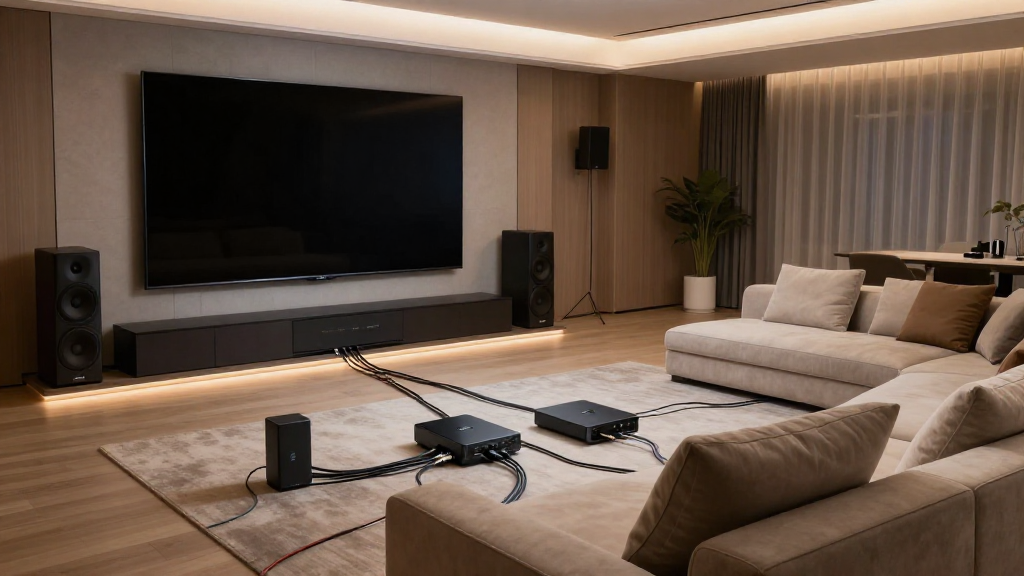
This article explores the intricacies of the home theater signal chain and how each component interacts to deliver high-quality audio and video.
What is a Home Theater Signal Chain?
The home theater signal chain refers to the pathway that audio and video signals travel through various components in a home theater system. Understanding this chain is crucial for optimizing performance and ensuring the best possible experience. A well-configured signal chain can enhance the clarity of audio and the vibrancy of video.
Components of the Signal Chain
The home theater signal chain consists of several key components:
- Source Devices: These are the components that generate audio and video signals, such as Blu-ray players, gaming consoles, and streaming devices.
- Processors: These devices, like AV receivers, decode and manage the signals, ensuring they are properly routed to the appropriate outputs.
- Output Devices: The final step in the signal chain includes televisions and speakers that render the signals into audio and visual experiences.
Why is the Signal Chain Important?
The signal chain is important because it affects the overall quality of your home theater experience. A weak link in the chain can lead to degraded audio or video quality. Ensuring that each component is compatible and properly configured can enhance your enjoyment of films, games, and music.
How Does the Signal Chain Work?
The functionality of the home theater signal chain involves several sequential steps, beginning with the source device and culminating at the output device. Understanding this flow can help users troubleshoot issues and optimize their home theater setup. Each step in this process is vital for achieving high fidelity in sound and picture quality.
Signal Transmission
Signals are transmitted through various cables and connections:
- HDMI: This is the most commonly used connection for high-definition audio and video.
- Optical Cables: These are often used for transmitting audio signals, particularly in home theater setups.
- Speaker Wires: These cables connect the AV receiver to the speakers, allowing for the delivery of sound.
Processing the Signal
Once signals are received by the processor, they undergo several transformations:
- Decoding: The processor decodes audio and video formats to make them usable.
- Equalization: Adjustments are made to balance audio frequencies for optimal sound.
- Routing: The processor directs the signals to the appropriate output devices.
What Are the Common Issues in the Signal Chain?
Despite the sophistication of modern home theater systems, several common issues can affect the signal chain. Understanding these issues can help users maintain their systems and troubleshoot when necessary. Identifying and resolving these problems can significantly improve overall performance.
Signal Loss
Signal loss can occur for various reasons:
- Cable Quality: Poor-quality cables can lead to signal degradation.
- Length of Cable: Longer cables can cause signal loss if not properly shielded.
- Interference: External electromagnetic interference can disrupt signals.
Audio-Video Sync Issues
Another common issue is the desynchronization of audio and video, which can be frustrating:
- Processing Delays: Some devices take longer to process audio or video, leading to sync issues.
- Source Content: Certain formats may have inherent sync problems.
- Settings Mismatch: Incorrect settings in the AV receiver can lead to audio-video lag.
How Can You Optimize Your Home Theater Signal Chain?
Optimizing your home theater signal chain can significantly enhance your viewing and listening experience. By making several adjustments, users can ensure that they are getting the best performance out of their systems. Here are some practical tips for achieving optimal signal quality.
Choose Quality Components
Selecting high-quality components is essential:
- AV Receiver: Invest in a reputable brand that offers good processing capabilities.
- Cables: Use high-quality cables to minimize signal loss.
- Speakers: Choose speakers that match your AV receiver for optimal synergy.
Proper Calibration
Calibrating your system can make a significant difference:
- Speaker Placement: Position speakers optimally for the best sound experience.
- Settings Adjustment: Tweak settings on your AV receiver to suit your room’s acoustics.
- Video Calibration: Adjust the TV settings to ensure the best picture quality.
What Future Trends Are Emerging in Home Theater Signal Chains?
As technology continues to evolve, so too do the components and configurations of home theater signal chains. Staying informed about future trends can help you make educated decisions about upgrades and new technologies. These advancements can greatly enhance your home theater experience.
Advanced Audio Formats
New audio formats like Dolby Atmos and DTS:X are transforming the way sound is experienced:
- Immersive Sound: These formats provide a three-dimensional sound experience.
- Compatibility: Ensure your AV receiver and speakers support these advanced formats.
- Content Availability: Look for films and games that utilize these audio technologies.
Wireless Connectivity
Wireless technology is increasingly being integrated into home theater systems:
- Streaming: Many devices now allow for direct streaming without the need for physical connections.
- Wireless Speakers: These provide flexibility in setup and eliminate cable clutter.
- Multi-Room Audio: Systems that support whole-home audio are becoming more popular.