
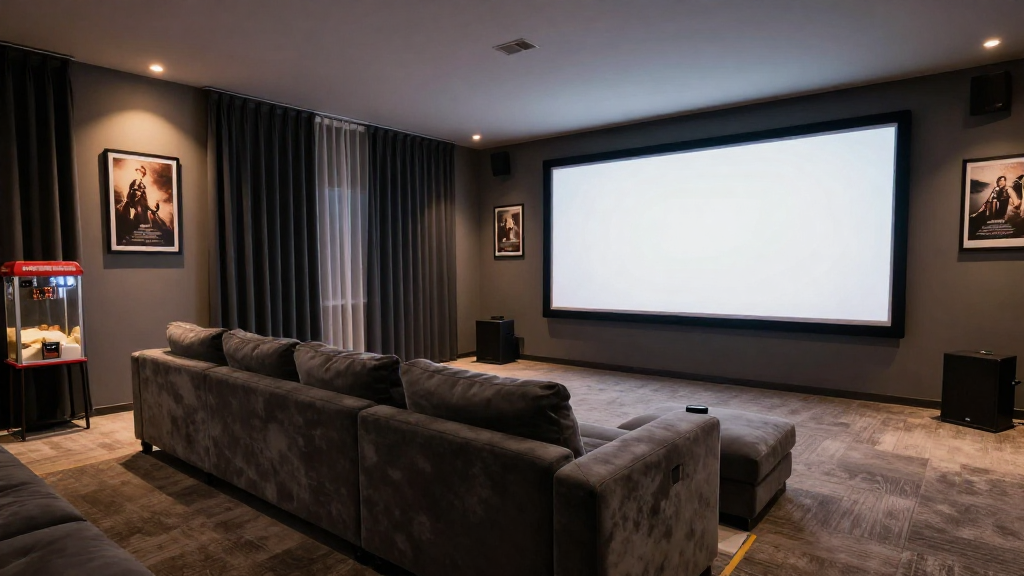
In this article, we explore the optimal seating distance for your home theater setup to enhance your viewing experience.
What Is the Ideal Viewing Distance?
Determining the perfect viewing distance is crucial for enjoying movies and shows in your home theater. The ideal distance depends on several factors, including screen size, resolution, and personal preference.
Screen Size Considerations
Screen size plays a significant role in deciding how far you should sit. A larger screen typically necessitates a greater distance to avoid discomfort and ensure the best viewing experience. For example, if you have a 65-inch TV, a distance of 8 to 10.5 feet is generally recommended.
Resolution Matters
The resolution of your screen also influences how close you can comfortably sit. Higher resolution screens, such as 4K TVs, allow for closer seating since they provide more detail. In contrast, lower resolution screens may require you to sit further back to avoid visible pixels.
Personal Preference and Comfort
Your personal comfort should not be overlooked when determining the ideal seating distance. Some viewers prefer a more immersive experience and may choose to sit closer, while others may find that sitting further back enhances their overall enjoyment.
How Do You Calculate the Optimal Distance?
Calculating the optimal distance for your home theater seating involves a simple formula based on your screen size and resolution. This calculation can help you create a comfortable viewing environment.
Using the 1.5 to 2.5 Rule
A common guideline is the 1.5 to 2.5 rule, where the seating distance should be 1.5 to 2.5 times the diagonal size of the screen. For instance, for a 75-inch screen, your seating distance should be between approximately 9.4 feet (1.5 times) to 15.6 feet (2.5 times).
Adjusting for Screen Type
Different screen types may require adjustments to this guideline. For instance, if you have a projector setup, you might need to alter the distance based on the brightness and quality of the projection. Always consider the specific attributes of your screen.
Consulting a Home Theater Professional
If you are uncertain about the calculations, consulting a home theater professional can provide tailored recommendations. They can analyze your space and preferences to suggest the best seating distance for your unique setup.
What Are the Common Mistakes to Avoid?
Understanding common mistakes in seating arrangement can help you avoid poor viewing experiences in your home theater. Paying attention to these can save you time and enhance your enjoyment.
Sitting Too Close
Sitting too close to the screen is a frequent mistake that can lead to discomfort and eye strain. If the screen is too large for your distance, it can cause viewers to miss details and fail to appreciate the full picture quality.
Ignoring Room Layout
The layout of your room is essential when determining seating distance. Consider factors like furniture placement and sight lines to ensure that everyone has a good view of the screen. This can significantly influence the overall experience.
Underestimating Sound Quality
Many people focus solely on the visual aspect and neglect sound quality. The distance from speakers can also affect your audio experience. Be sure to consider the acoustics of your room when planning your seating arrangement.
How Can You Optimize Your Home Theater Setup?
Optimizing your home theater setup goes beyond just seating distance. There are several factors to consider for creating an immersive experience.
Investing in Quality Seating
Comfortable and supportive seating can dramatically improve your viewing experience. Consider investing in recliners or theater-style seating to enhance comfort during long movie sessions.
Utilizing Proper Lighting
Lighting plays a crucial role in your home theater environment. Dimming lights or using blackout curtains can help achieve the right atmosphere and reduce glare on the screen.
Calibrating Your Screen
Calibrating your screen for brightness, contrast, and color accuracy can elevate your viewing experience. Consider hiring a professional or follow guidelines to ensure your screen performs at its best.
What Are the Benefits of Following a Home Theater Seating Distance Guide?
Following a home theater seating distance guide can significantly enhance your viewing experience. Understanding the fundamentals leads to better enjoyment of movies and shows.
Enhanced Viewing Experience
When you sit at the correct distance, you can appreciate the details and quality of the content. This leads to a more immersive experience that makes watching movies enjoyable.
Reduced Eye Strain
Sitting too close to the screen can cause eye strain and discomfort. By following the seating distance guide, you can reduce these issues and enjoy longer viewing sessions without fatigue.
Maximized Comfort
Comfort is key in creating a pleasant movie-watching environment. By ensuring you’re seated at the right distance, you can relax and fully enjoy your home theater setup.
Conclusion: What Should You Take Away?
In summary, determining the right seating distance is essential for an enjoyable home theater experience. By considering screen size, resolution, and personal preference, you can create an ideal setup. Remember to avoid common mistakes, optimize your space, and follow a home theater seating distance guide to make the most of your viewing experience.