
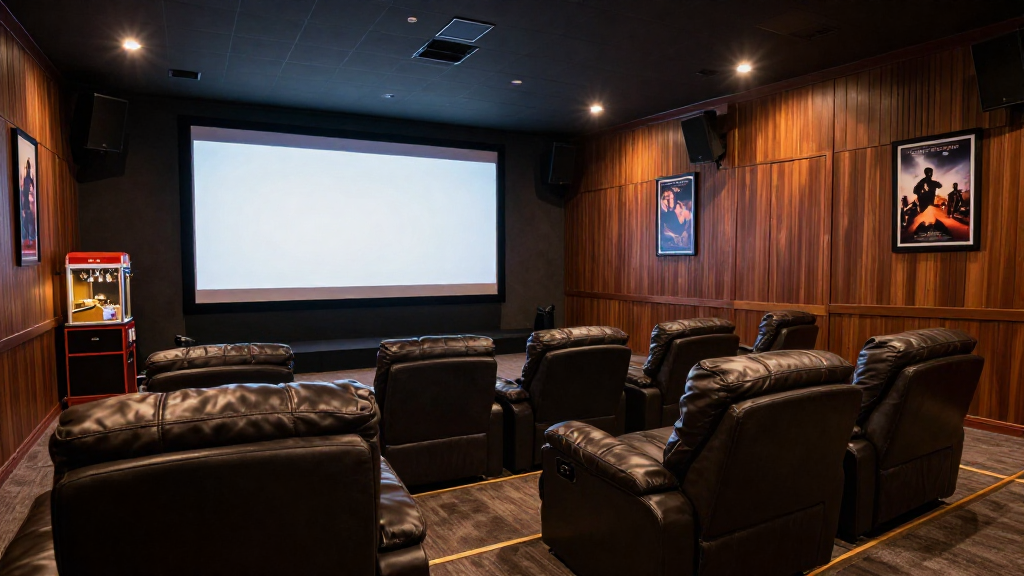
Arranging seating in a home theater involves careful consideration to enhance the viewing experience. This article explores various strategies for a perfect home theater seating arrangement.
What Are the Key Considerations for Home Theater Seating Arrangement?
When planning your home theater seating arrangement, there are several important factors to keep in mind to ensure an optimal experience.
Room Size and Layout
The size and layout of your room will significantly influence your seating arrangement. Measure the dimensions of your space and consider the placement of the screen, speakers, and any potential obstructions. A well-thought-out layout can help maximize the available space.
Screen Size and Distance
The size of the screen you choose dictates how far away your seats should be placed. A general rule is to sit at a distance of 1.5 to 2.5 times the diagonal size of the screen. This helps in reducing eye strain and enhances the viewing experience.
Comfort and Style
Comfort should be a top priority in your home theater seating arrangement. Choose seating that suits your style and allows for extended viewing periods without discomfort. Look for recliners or sofas with ample cushioning and support.
How Should You Arrange Seating for Optimal Viewing?
Achieving the best viewing experience requires a strategic arrangement of your seats. Here are some popular layouts to consider.
Tiered Seating
Tiered seating is a popular choice for home theaters, especially in larger rooms. By elevating the back row of seats, all viewers can maintain a clear line of sight to the screen. This arrangement is particularly beneficial for families or groups.
Linear Arrangement
A linear seating arrangement places all seats in a straight line facing the screen. This is suitable for smaller spaces and can provide an intimate viewing experience. Ensure that everyone has an unobstructed view of the screen.
U-Shaped Arrangement
For a more social experience, a U-shaped seating arrangement can be effective. This setup encourages conversation and interaction while still allowing everyone to focus on the screen. This is ideal for movie nights with friends or family.
What Types of Seating Can You Use in a Home Theater?
The type of seating you choose can make a significant difference in comfort and aesthetics. Here are some popular options to consider for your home theater seating arrangement.
Recliners
Recliners are a classic choice for home theaters, offering adjustable positions for maximum comfort. Many recliners come with built-in cup holders and storage, enhancing the viewing experience. Look for models that provide lumbar support.
Theater-Style Seats
Theater-style seats mimic the experience of a cinema, featuring individual seats with armrests. They are often more compact, allowing for more seating options in smaller rooms. Additionally, they can include features like reclining capabilities and cup holders.
Sofas and Sectionals
Sofas and sectionals provide a cozy atmosphere for viewing parties. They can accommodate multiple viewers and allow for a relaxed viewing experience. Consider options with reclining sections for added comfort during long movie marathons.
How Can You Enhance Your Home Theater Seating Arrangement?
Besides choosing the right seating, there are several ways to enhance your home theater experience.
Acoustic Treatments
Implementing acoustic treatments can significantly improve sound quality in your home theater. Use sound-absorbing materials like acoustic panels and carpets to minimize echoes and enhance audio clarity. This is essential for an immersive cinematic experience.
Lighting Options
Proper lighting can enhance the ambiance of your home theater. Consider dimmable lights or LED strips that can be adjusted based on the viewing experience. Avoid harsh overhead lights, as they can detract from the movie-watching atmosphere.
Accessibility Features
Ensure that your home theater seating arrangement is accessible to everyone. This includes considering the needs of individuals with mobility challenges. Use wider aisles and ensure that seats are easy to get in and out of for a comfortable experience.
What Common Mistakes Should You Avoid in Home Theater Seating Arrangement?
To achieve the best home theater seating arrangement, it’s crucial to avoid common pitfalls that can detract from your experience.
Ignoring Viewing Angles
One of the most frequent mistakes is neglecting the viewing angles. Ensure that all seats are positioned to provide a direct line of sight to the screen. Poor angles can lead to neck strain and diminished enjoyment.
Overcrowding the Space
While it may be tempting to fit as many seats as possible, overcrowding can lead to discomfort and limit movement. Aim for a balance where everyone has enough space to enjoy the experience without feeling cramped.
Neglecting Personal Preferences
Everyone has different preferences when it comes to seating. Neglecting to consider these can lead to an unsatisfactory experience. Involve all potential viewers in the decision-making process to create a welcoming atmosphere.
How Often Should You Reassess Your Home Theater Seating Arrangement?
As your needs and preferences evolve, it’s important to reassess your home theater seating arrangement regularly.
After Major Changes
Whenever you make significant changes, such as upgrading your screen or sound system, it’s a good time to revisit your seating arrangement. New equipment can alter the dynamics of your space and may require adjustments.
When You Add New Seats
If you decide to add more seating, reassess the layout to ensure that it still functions optimally. New seats can create challenges with spacing and sightlines that will need to be addressed.
Every Few Years
Even without major changes, it’s a good practice to review your seating arrangement every few years. This allows you to adapt to changing preferences, technology, and lifestyle needs, ensuring the best home theater experience.