
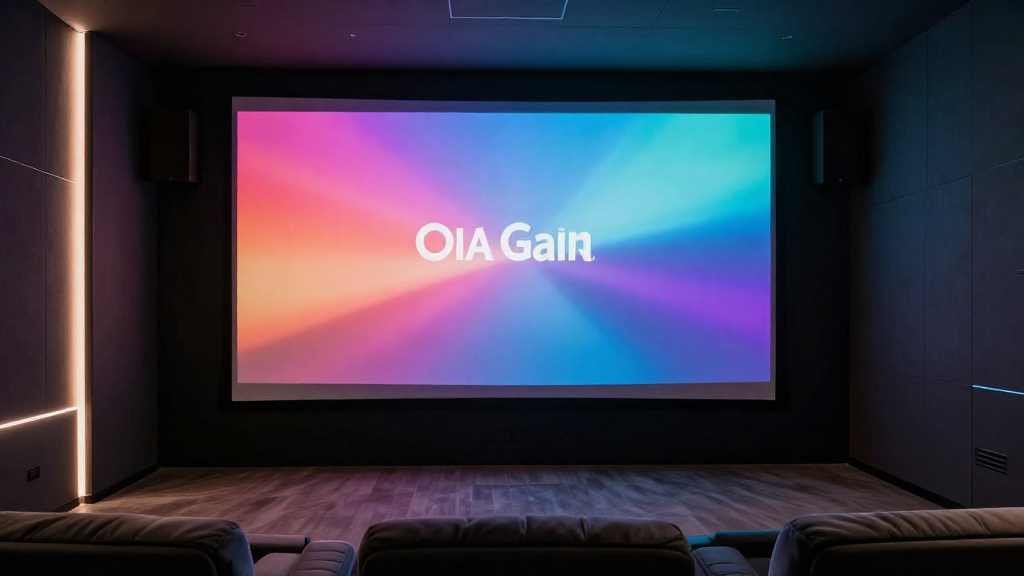
In this article, we will delve into the concept of home theater screen gain explained and how it affects your viewing experience.
What Is Screen Gain?
Screen gain refers to the measurement of how much light a projection screen reflects compared to a standard white board. It is an essential factor to consider when setting up a home theater system. Understanding screen gain can help you achieve optimal brightness and clarity in your viewing experience.
Measuring Screen Gain
Screen gain is measured on a scale where a gain of 1.0 indicates the screen reflects light equally to a standard white surface. Higher gain values mean the screen reflects more light, while lower gain values absorb more light. It is crucial to choose the right screen gain for your projector’s brightness and your room’s lighting conditions.
Types of Screen Gain
- High Gain: Screens with a gain greater than 1.0 are considered high gain. They are perfect for rooms with ambient light, as they increase brightness.
- Standard Gain: Typically around 1.0, standard gain screens offer a balanced reflection of light and are suitable for most home theaters.
- Low Gain: Screens with a gain less than 1.0 absorb more light, making them ideal for dark rooms.
Why Is Screen Gain Important?
Understanding screen gain is vital for the overall performance of your home theater. It directly influences brightness, contrast, and color accuracy of the image projected. Choosing the right screen gain can enhance your viewing experience significantly.
Impact on Brightness
The primary role of screen gain is to affect brightness. A higher gain means a brighter image, which is beneficial in well-lit environments. Conversely, in dark rooms, a lower gain can provide a more immersive viewing experience.
Influence on Contrast
Screen gain also plays a role in how contrast is perceived. Higher gain screens can enhance the brightness of highlights but may wash out black levels. Low gain screens, however, tend to provide better contrast but at the cost of brightness.
Effect on Color Accuracy
Color accuracy can be influenced by screen gain due to the way different colors reflect light. High gain screens may distort colors, making them appear overly bright, while low gain screens can maintain the integrity of colors by reflecting light more evenly.
How to Choose the Right Screen Gain?
Selecting the right screen gain for your home theater setup involves considering various factors, including projector brightness and room lighting. Evaluating these elements will help you make an informed decision.
Consider Projector Brightness
The brightness rating of your projector, measured in lumens, should guide your choice of screen gain. A projector with a high lumen output can work well with high gain screens, while a lower lumen projector may require a standard or low gain screen to ensure image quality.
Assess Room Lighting
The lighting conditions of your room are crucial in determining the appropriate screen gain. Bright rooms with significant ambient light will benefit from high gain screens, while dark rooms may be better suited for low gain options.
Evaluate Your Viewing Preferences
Your personal preferences also play a role in your choice. If you prioritize brightness for a vibrant viewing experience, a high gain screen is a solid choice. However, if you favor deeper blacks and richer colors, you might opt for a low gain screen.
What Are the Common Misconceptions About Screen Gain?
There are several misconceptions surrounding screen gain that can lead to confusion. Understanding these myths will help you make better decisions for your home theater setup.
Higher Gain Equals Better Quality
Many believe that higher gain always means better image quality. However, this isn’t necessarily true. While higher gain can increase brightness, it can also result in loss of contrast and color fidelity.
Screen Gain Is the Same for All Projectors
Another misconception is that screen gain is universally applicable across different projectors. Each projector has unique characteristics, and what works for one may not work for another. Always consider your projector’s specifications.
All Screens Are the Same
Not all projection screens are created equal. Different materials and surface textures can affect screen gain and image quality. It is essential to research and choose screens that align with your home theater needs.
Conclusion: The Importance of Understanding Screen Gain
In conclusion, understanding home theater screen gain explained is crucial for achieving the best viewing experience. By considering factors such as brightness, contrast, and personal preferences, you can select the right screen gain for your setup. Avoid common misconceptions and make an informed choice to enhance your home theater experience.