
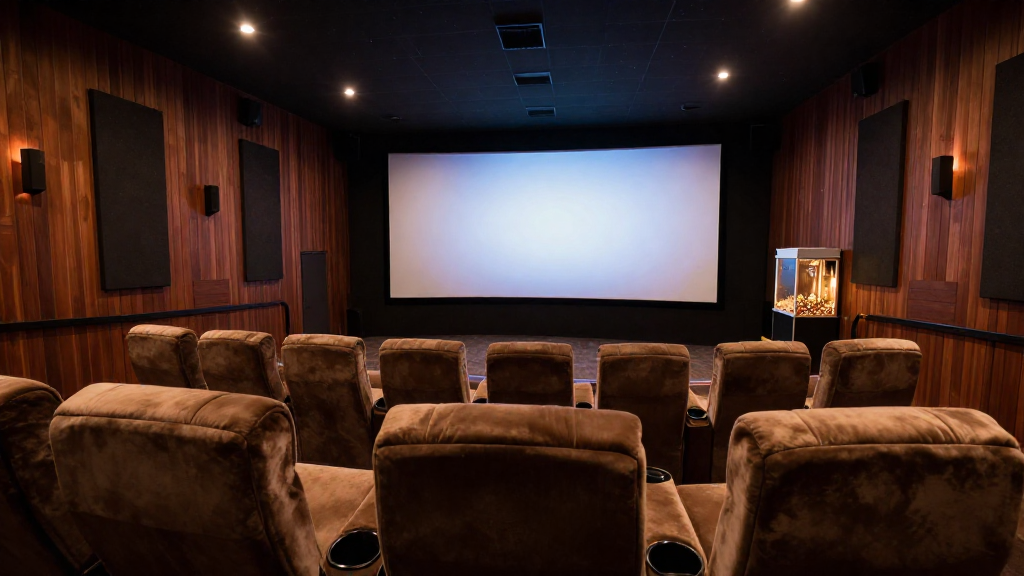
In this article, we will explore the ideal room size for a home theater, helping you create the perfect viewing experience.
Why Is Room Size Important for a Home Theater?
Understanding the significance of room size is crucial for any home theater enthusiast. The dimensions of your space can drastically affect audio quality, screen size, and overall comfort.
Impact on Audio Quality
A well-sized room can enhance sound distribution. Too large a space might cause sound to echo, while too small a room can lead to overwhelming sound intensity. Proper dimensions help achieve an optimal acoustic environment.
Effect on Viewing Experience
The distance between the viewer and the screen is vital for an immersive experience. A room that is too small may force viewers too close to the screen, while a large room may necessitate a bigger screen for a comfortable viewing angle.
Comfort and Seating Arrangement
The layout of your home theater is directly influenced by room size. An ideal space allows for comfortable seating arrangements and easy movement. This ensures that everyone can enjoy the show without feeling cramped.
What Are the Recommended Dimensions for a Home Theater?
Determining the recommended dimensions can help you plan effectively. The ideal size often depends on the number of viewers and the equipment being used.
General Size Guidelines
- For a small home theater (1-4 people), a room size of approximately 10×10 feet is suitable.
- A medium-sized theater (5-8 people) would require about 12×18 feet.
- For larger gatherings (9+ people), aim for a minimum of 15×20 feet.
Height Considerations
In addition to width and length, ceiling height is also essential. A standard height of 8-9 feet works well for most home theaters, providing enough space for sound and projection without feeling enclosed.
Screen Size vs. Room Size
The size of your screen should also align with your room dimensions. For instance, a 100-inch screen is typically best viewed from about 10-12 feet away. Ensure that your room can accommodate both the screen and the seating distance comfortably.
How to Calculate the Ideal Room Size?
Calculating your ideal room size involves a few simple steps and considerations. Understanding the ratios can help you achieve the best setup for your home theater.
Aspect Ratios
The aspect ratio of your screen can influence room size calculations. Common ratios include 16:9 for HD content and 2.35:1 for cinema-like experiences. Choose a ratio that suits your viewing preferences and space.
Seating Distance Formula
A general rule of thumb is to sit approximately 1.5 to 2.5 times the diagonal size of the screen. For a 100-inch screen, seating should ideally be between 8.5 to 12.5 feet away.
Testing Your Space
Before finalizing your home theater room, test your space. Use markers to represent the screen and seating positions. This will give you a better idea of comfort and viewing angles.
What Are the Common Mistakes to Avoid?
When planning your home theater, avoiding common mistakes can save you time and money. Awareness of these pitfalls can lead to a more enjoyable setup.
Ignoring Acoustics
Many people overlook the importance of acoustics in their home theater. Poor acoustical treatment can lead to muddled sound and a less immersive experience. Consider soundproofing or acoustic panels for better results.
Underestimating Space Needs
Another prevalent mistake is underestimating space requirements. It’s easy to think you can fit everything into a small area, but this often leads to discomfort. Always allow for extra space for movement and equipment.
Forgetting About Ventilation
Finally, do not neglect ventilation. Home theaters can generate heat, especially with large screens and audio equipment. Ensure that your space has adequate ventilation to keep everyone comfortable during long viewing sessions.
How Can You Optimize Your Home Theater Space?
Optimizing your home theater space can greatly enhance your viewing experience. Implementing a few strategic changes can make all the difference.
Furniture Arrangement
Consider the arrangement of your furniture carefully. A well-thought-out layout ensures that everyone has an unobstructed view of the screen. Additionally, avoid placing speakers too close to walls, as this can distort sound.
Lighting Control
Controlling the lighting in your home theater is essential. Use blackout curtains or shades to minimize outside light interference. Dimmable lights can also enhance the viewing experience by allowing you to adjust the ambiance.
Incorporating Technology
Finally, incorporate technology that enhances your setup. From smart controls for lights and sound to high-quality projectors and screens, investing in technology can elevate your home theater experience.
Conclusion: What Is the Ideal Home Theater Room Size?
In conclusion, the ideal room size for a home theater depends on various factors, including the number of viewers, screen size, and personal preferences. By following the guidelines and recommendations outlined in this home theater room size guide, you can create an engaging and comfortable viewing experience. Remember to consider acoustics, furniture arrangement, and technology to optimize your home theater space for the ultimate cinematic experience.