
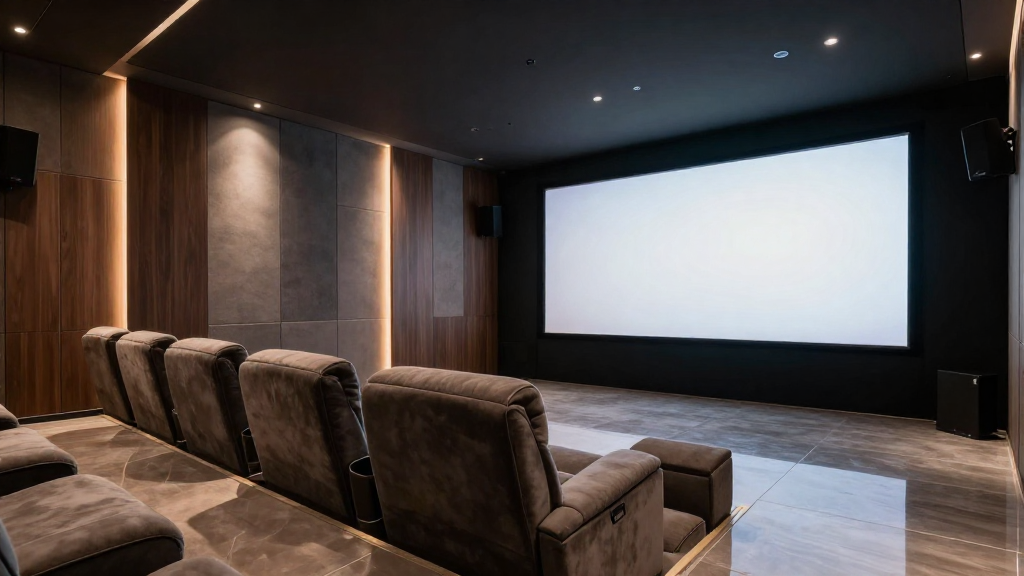
In this article, we will delve into the intricacies of home theater room modes explained, focusing on how these modes influence sound quality in your listening environment.
What Are Room Modes?
Room modes are specific frequencies where sound waves resonate in a given space. These modes can either enhance or diminish the listening experience, depending on their interaction with the environment. Understanding room modes is essential for optimizing sound performance in a home theater.
Types of Room Modes
Room modes are categorized into three main types: axial, tangential, and diagonal. Each type affects sound in different ways:
- Axial modes: These occur between two parallel surfaces, such as walls or ceilings.
- Tangential modes: These involve reflections between four surfaces, typically in rectangular rooms.
- Diagonal modes: These involve reflections between two diagonal surfaces, creating a more complex interaction.
How Room Modes Are Created
Room modes are generated when sound waves bounce off surfaces and interfere with each other. The characteristics of the room, including dimensions and materials, play a crucial role in this process. The interaction between sound waves can lead to constructive or destructive interference, which is what creates the various modes.
Why Are Room Modes Important?
Understanding room modes is vital for achieving optimal audio performance in a home theater. They can significantly affect bass response, clarity, and overall sound quality. By addressing room modes, you can enhance your listening experience.
Impact on Sound Quality
Room modes can lead to certain frequencies being amplified or diminished. This means that some notes may sound overpowering while others may be almost inaudible. To ensure balanced sound, it’s important to identify and mitigate the effects of these modes.
Influence on Bass Response
Bass frequencies are particularly susceptible to room modes. If a room has strong modes at low frequencies, the bass may become boomy or muddy. Understanding how these modes operate allows you to make adjustments to your home theater setup.
How Can You Identify Room Modes?
Identifying room modes is the first step toward optimizing your home theater. There are several methods to detect these modes and their effects on sound.
Using Measurement Tools
Measurement microphones and software can help you analyze the frequency response of your room. By generating a frequency sweep, you can visualize how sound behaves in your space. This data is invaluable for identifying problematic modes.
Listening Tests
In addition to using measurement tools, conducting listening tests can provide insights into room modes. Play specific tracks and pay attention to how certain frequencies sound. This subjective approach can help you identify issues that may not show up in measurements.
What Can You Do About Room Modes?
Once you’ve identified room modes, the next step is to address them effectively. There are various strategies to minimize their impact on your home theater experience.
Acoustic Treatments
Applying acoustic treatments, such as bass traps and diffusers, can significantly reduce the effects of room modes. Bass traps are designed to absorb low frequencies, while diffusers scatter sound waves, helping to create a more balanced environment.
Speaker Placement
Adjusting the placement of speakers can also mitigate room modes. Experimenting with different positions can help you find a spot where the sound is more balanced. Always consider the room dimensions and furniture layout in this process.
Can Room Modes Be Completely Eliminated?
While it’s challenging to eliminate room modes entirely, they can be effectively managed. Understanding that some modes will always exist allows you to focus on optimizing your setup for the best possible sound.
Realistic Expectations
Accepting that room modes are a natural occurrence in any space is important. Instead of striving for perfection, aim for a significant improvement in sound quality. This approach will lead to a more enjoyable listening experience.
Continuous Adjustments
Room acoustics can change over time due to various factors, such as new furniture or changes in the room layout. Regular assessments and adjustments are necessary to maintain optimal sound quality. Stay proactive in managing your home theater environment.
Conclusion: Embracing Room Modes in Your Home Theater
Understanding and addressing home theater room modes explained is crucial for enhancing your audio experience. By recognizing their impact, identifying modes, and implementing effective solutions, you can create a home theater that delivers exceptional sound. Embrace the challenge and enjoy the journey towards the perfect listening environment!