
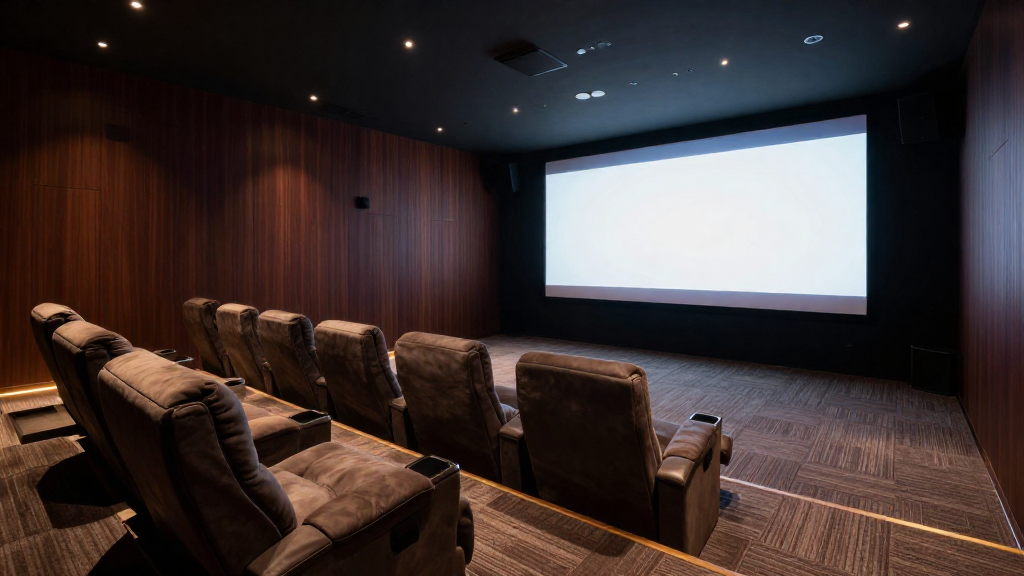
In this article, we will delve into the ideal home theater room dimensions explained to help you design a space that enhances your viewing experience.
Why Are Home Theater Room Dimensions Important?
The dimensions of your home theater room play a crucial role in determining the overall quality of your viewing experience. A well-designed space ensures optimal sound and picture quality, making it essential to understand the implications of room size.
Acoustic Considerations
Proper dimensions contribute to better acoustics, reducing sound distortion and ensuring clear audio. For example, a room that is too small can create echo, while an overly large room may make it difficult to achieve balanced sound distribution.
Viewing Angles
The arrangement of seating in relation to the screen is vital for an immersive experience. Ideal dimensions allow for comfortable viewing angles, ensuring that all audience members have a clear line of sight to the screen without straining their necks.
Comfort and Layout
Space influences seating arrangements and comfort levels. An adequately sized home theater room supports a layout that accommodates various seating options and allows for optimal distance between the viewer and the screen.
What Are the Recommended Dimensions for a Home Theater Room?
Understanding the recommended dimensions for a home theater room is essential for creating an enjoyable viewing environment. The size of the room can vary depending on the number of viewers and equipment used.
Small Home Theater Rooms
A small home theater room typically ranges from 100 to 200 square feet. In this scenario, you should aim for dimensions like 10×10 feet or 12×15 feet. These sizes can accommodate 2-4 viewers comfortably, but careful planning is essential.
Medium Home Theater Rooms
For medium-sized home theaters, dimensions between 200 to 400 square feet are ideal. Common sizes include 12×18 feet or 15×20 feet, allowing for a more flexible seating arrangement and better sound quality.
Large Home Theater Rooms
Large home theater rooms exceed 400 square feet, with dimensions such as 20×25 feet or more. These spaces can accommodate more viewers and equipment, providing an immersive experience with advanced sound and picture quality.
What is the Best Aspect Ratio for Home Theater Rooms?
The aspect ratio of your screen significantly impacts the viewing experience in your home theater room. Understanding how to choose the right aspect ratio is essential for achieving a cinematic experience.
Common Aspect Ratios
- 16:9 – This is the standard widescreen format used for most televisions and movies.
- 2.35:1 – This is a popular aspect ratio for cinematic releases, often referred to as ‘CinemaScope.’
- 4:3 – An older standard, primarily used for older televisions and content.
Choosing the Right Screen Size
The size of your screen should be proportional to the dimensions of your home theater room. A general guideline is to sit at a distance of 1.5 to 2.5 times the screen size for optimal viewing.
Impact on Seating Arrangement
Aspect ratio also influences how you arrange seating. A wider screen allows for a broader seating arrangement, while a taller screen may require tiered seating for optimal views.
How Can You Optimize Your Home Theater Room Dimensions?
Optimizing the dimensions of your home theater room involves considering various factors that enhance the overall experience. Here are some strategies to maximize your space.
Use Acoustic Treatments
Incorporating acoustic panels can drastically improve sound quality. These treatments help absorb sound reflections and minimize echo, making the most of your room dimensions.
Invest in Adjustable Seating
Adjustable seating allows for flexibility in your home theater room. You can create a layout that fits the dimensions while ensuring all viewers are comfortable and have a great view.
Consider Lighting Options
Lighting is essential in a home theater room, and the right dimensions can enhance its effectiveness. Dimmer switches, sconces, and blackout curtains can help create a cinematic atmosphere.
What Are Some Common Mistakes in Home Theater Room Design?
Designing a home theater room comes with its challenges, and understanding common mistakes can help you avoid them. Here are some pitfalls to watch out for.
Ignoring Room Shape
Many overlook the impact of room shape on acoustics and viewing. A square room can lead to sound issues, while a rectangular room often provides better sound distribution.
Overcrowding the Space
Too much furniture can clutter your home theater room, negatively affecting both comfort and acoustics. Aim for a balanced layout that allows for easy movement while providing adequate seating.
Neglecting Ventilation
Good ventilation is critical in a home theater room, especially when using electronic equipment that generates heat. Ensure your room has adequate airflow to maintain comfort during long viewing sessions.
How Do You Measure Home Theater Room Dimensions?
Measuring your home theater room correctly is crucial for planning and design. Here’s how to accurately measure the dimensions.
Gather Necessary Tools
You’ll need a measuring tape, a notepad, and possibly a laser distance measurer for accuracy. Having these tools on hand will make the process smoother.
Measure Length and Width
Start by measuring the length and width of the room. Record these dimensions in feet, as most recommendations are based on square footage.
Account for Ceiling Height
Don’t forget to measure the ceiling height. This measurement is essential for determining the type of projector or screen you can use and how sound travels in the room.
Conclusion: Finding the Right Home Theater Room Dimensions
In conclusion, understanding home theater room dimensions explained is vital for crafting an optimal viewing environment. The right dimensions, combined with careful planning and design, can greatly enhance your cinema experience at home. Whether you have a small, medium, or large room, following these guidelines will help you create a space that is both functional and enjoyable.