
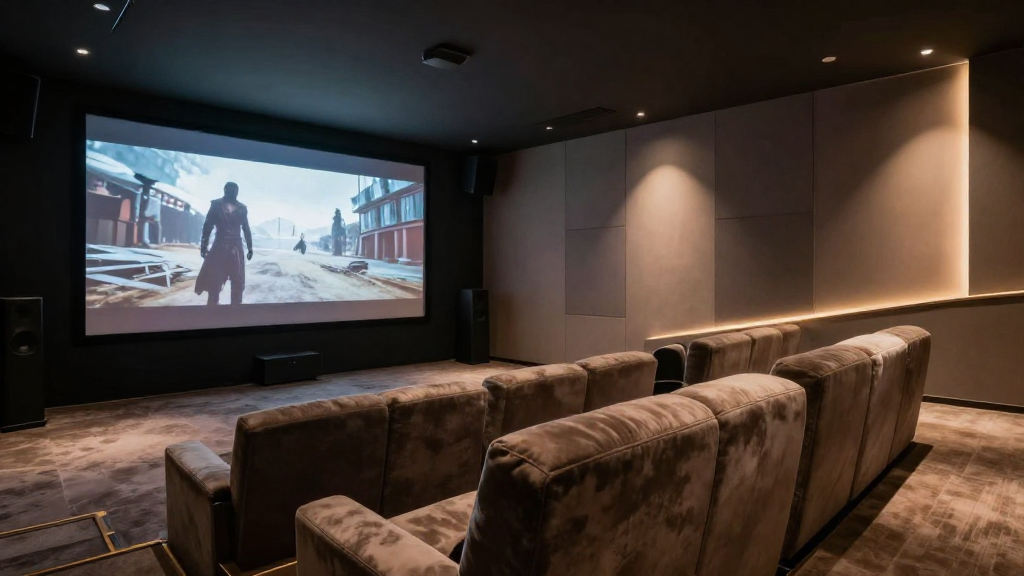
In this article, we will delve into home theater room correction explained, its importance, and how it can significantly improve your audio experience.
What is Room Correction?
Room correction refers to the process of adjusting audio signals to compensate for the acoustics of a given space. It involves using technology and software to analyze the room’s sound characteristics and make necessary adjustments. This ensures that the audio output remains clear and balanced despite the room’s unique acoustic challenges.
Why is Room Correction Important?
The importance of room correction cannot be overstated. Here are a few reasons:
- Enhanced Audio Quality: Room correction allows for a more accurate reproduction of sound, making the listening experience richer.
- Elimination of Distortions: This process minimizes issues such as echoes and standing waves that can muddle sound clarity.
- Personalized Listening Experience: By tailoring sound to fit your specific room, it creates a more immersive environment.
How Does Room Correction Work?
Understanding how room correction works is crucial for implementing it effectively in your home theater. The process typically involves measuring the sound in your room and adjusting the audio output accordingly.
Measurement Phase
The first step in room correction is measuring the sound characteristics of your room. This is usually done with a calibrated microphone connected to a receiver or processor. The measurement phase identifies anomalies in sound frequencies.
- Calibration Microphone: This device captures the sound waves and evaluates how they interact with your room.
- Software Analysis: The collected data is analyzed using advanced software to pinpoint specific problematic frequencies.
- Room Modes: Understanding how sound behaves in your space helps in addressing issues effectively.
Correction Phase
Once measurements are taken, the next phase is to apply corrections. This involves modifying the audio signals based on the analysis from the measurement phase. Here’s how it works:
- Equalization: Adjusting the frequency response to ensure balanced sound output.
- Delay Adjustments: Timing corrections help synchronize sound from different speakers.
- Gain Adjustments: Altering the volume levels to maintain a consistent audio experience.
What Are the Benefits of Room Correction?
There are numerous benefits to implementing room correction in your home theater. These advantages contribute to a superior audio experience that can transform your viewing and listening enjoyment.
Improved Clarity
Room correction enhances the clarity of audio output. When sound waves are adjusted to suit the room’s characteristics, dialogue becomes clearer, and music sounds more vibrant.
- Reduced Echo: Echoes can interfere with speech intelligibility; room correction minimizes this effect.
- Balanced Frequencies: Ensures all frequencies are represented accurately, making music and sound effects more enjoyable.
Increased Immersion
By optimizing sound for your environment, room correction increases immersion in films and games. You feel as though you are part of the action rather than just a spectator.
- Spatial Awareness: Enhanced sound staging helps you perceive where sounds are coming from.
- Emotional Engagement: With clearer audio, emotional cues in films resonate more profoundly.
Convenience
Modern room correction technologies are often user-friendly, making it easier for users to set up their systems effectively. You can achieve professional-level sound without extensive technical knowledge.
- Automated Systems: Many receivers come with built-in room correction tools that automate the process.
- Minimal Manual Adjustments: Once set up, the system continually optimizes the audio without requiring frequent tweaks.
What Tools Are Used for Room Correction?
To implement room correction in your home theater, several tools and technologies are available. Each tool serves a unique purpose in ensuring optimal audio performance.
Room Correction Software
There are various software applications designed for room correction. These programs analyze sound data and suggest adjustments.
- Dirac Live: A popular choice among audiophiles for its advanced algorithms.
- Sonarworks: Known for its ability to calibrate headphones and speakers effectively.
Equalizers
Equalizers are essential for adjusting frequency levels to achieve a balanced sound profile. They can be hardware-based or software-based.
- Graphic Equalizers: Allow for manual adjustment of specific frequencies.
- Parametric Equalizers: Provide more precise control over the frequency response.
Calibration Microphones
A high-quality calibration microphone is critical for accurate sound measurement. It captures the audio in your room and provides data for analysis.
- USB Microphones: Often used for their ease of connection to computers and receivers.
- Professional Calibration Mics: Offer higher accuracy but can be more expensive.
Can Room Correction Be Overdone?
While room correction is beneficial, it is possible to overdo it. Understanding the limits of room correction technology is essential for achieving optimal results.
Too Much Equalization
Over-equalization can lead to unnatural sound. It’s crucial to make subtle adjustments that enhance rather than distort the audio.
- Artificial Sound: Excessive corrections can cause audio to sound processed and unnatural.
- Loss of Dynamics: Overdoing it can result in a flat sound that lacks the emotional impact of the original recording.
Misinterpretation of Room Data
Sometimes, the data collected can be misinterpreted, leading to poor correction decisions. Understanding the room layout and sound characteristics is vital.
- Room Modes: Failing to recognize specific room modes can lead to incorrect adjustments.
- Speaker Placement: Inadequate speaker placement can negate the benefits of room correction.
Conclusion: Is Room Correction Worth It?
In conclusion, home theater room correction explained reveals that it is a valuable tool for enhancing audio quality. Implementing room correction allows for improved clarity, increased immersion, and greater convenience in enjoying your home entertainment system. While there are tools and technologies available, understanding their proper application is crucial to avoid overdoing it. Ultimately, investing in room correction is worth it for anyone serious about their audio experience.