
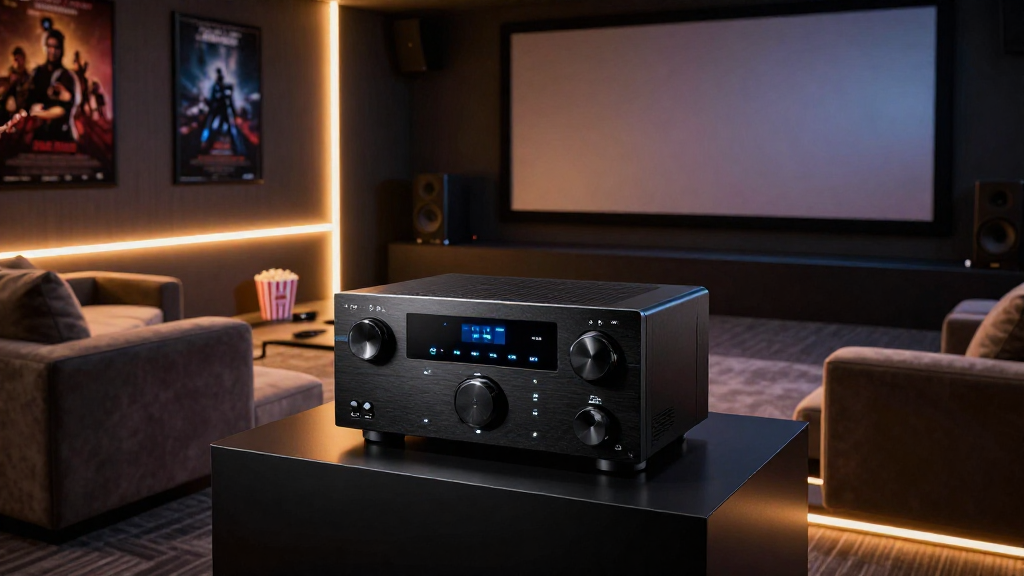
In this article, we will delve into the intricacies of home theater receivers explained, focusing on their functionality and importance in creating an immersive audio-visual experience.
What Are Home Theater Receivers?
Home theater receivers are essential components in any audio-visual setup. They serve as the central hub for audio and video signals, facilitating the connection between various devices.
Key Functions of Home Theater Receivers
Understanding the functions of home theater receivers is crucial for optimizing your audio-visual experience. Here are some key functions:
- Audio Processing: Converts and enhances audio signals from various sources.
- Video Switching: Allows multiple video sources to connect and switch between them seamlessly.
- Control Center: Acts as the command center for your entire system, allowing for easy control of all devices.
Types of Home Theater Receivers
There are different types of home theater receivers, each designed for specific needs. Here are the common types:
- AV Receivers: Most common type that handles audio and video.
- Stereo Receivers: Focus solely on audio, lacking video processing capabilities.
- Preamp/Processors: Used in high-end setups, offering advanced features and flexibility.
How Do Home Theater Receivers Work?
Now that we understand what home theater receivers are, let’s explore how they function within a home entertainment system.
Signal Reception
Home theater receivers receive signals from various devices like Blu-ray players, gaming consoles, and streaming services. They decode these signals into audio and video formats that your system can process.
Audio and Video Processing
After receiving the signals, the receiver processes them. For audio, it enhances the sound quality, while for video, it ensures optimal picture quality. This processing is crucial for achieving a cinematic experience.
Amplification
Home theater receivers amplify audio signals to drive speakers effectively. The amplification stage ensures that sound reaches the desired volume levels without distortion, creating a rich audio experience.
What Features Should You Look for in a Home Theater Receiver?
When selecting a home theater receiver, certain features can enhance your overall experience. Here are some essential features to consider:
Number of Channels
The number of channels determines how many speakers you can connect. A 5.1 system has five speakers and one subwoofer, while a 7.1 system includes two additional speakers for a more immersive experience.
Audio Formats Supported
Modern receivers support various audio formats such as Dolby Atmos and DTS:X, which provide advanced surround sound experiences. Ensure that the receiver you choose supports the latest formats to future-proof your system.
Connectivity Options
A good home theater receiver should offer multiple connectivity options like HDMI, optical, and coaxial inputs. This ensures compatibility with a range of devices and allows for flexible setup configurations.
How Can You Optimize Your Home Theater Receiver Setup?
Once you have selected the right home theater receiver, optimizing the setup is the next critical step for achieving the best performance.
Speaker Placement
Proper speaker placement is vital for creating an immersive audio experience. Position speakers at ear level and arrange them to form a surround sound environment, enhancing the overall sound quality.
Calibration
Many modern receivers come with automatic calibration features that analyze your room’s acoustics and adjust settings accordingly. Utilize this feature to ensure optimal sound quality tailored to your space.
Room Acoustics
Consider the acoustics of your room as they can significantly impact sound quality. Use carpets, curtains, and sound-absorbing materials to improve acoustics and minimize unwanted echoes.
What Are the Benefits of Using a Home Theater Receiver?
Home theater receivers offer numerous benefits that enhance your entertainment experience. Understanding these benefits can help you appreciate their value.
Improved Sound Quality
By processing and amplifying audio signals, home theater receivers deliver superior sound quality compared to standard TV speakers. The enhanced audio experience is perfect for movies, music, and gaming.
Convenience
Home theater receivers simplify the management of multiple devices. With a single remote and interface, you can control all your audio-visual equipment without the hassle of multiple remotes.
Future-Proofing
Investing in a high-quality home theater receiver often means that you can accommodate new technologies and formats as they arise. This future-proofing aspect makes it a wise investment for any home theater setup.
Conclusion: Why Understanding Home Theater Receivers Matters
In conclusion, understanding home theater receivers explained is essential for anyone looking to enhance their home entertainment system. By grasping their functions, features, and benefits, you can make informed decisions that lead to a more immersive and enjoyable audio-visual experience.