
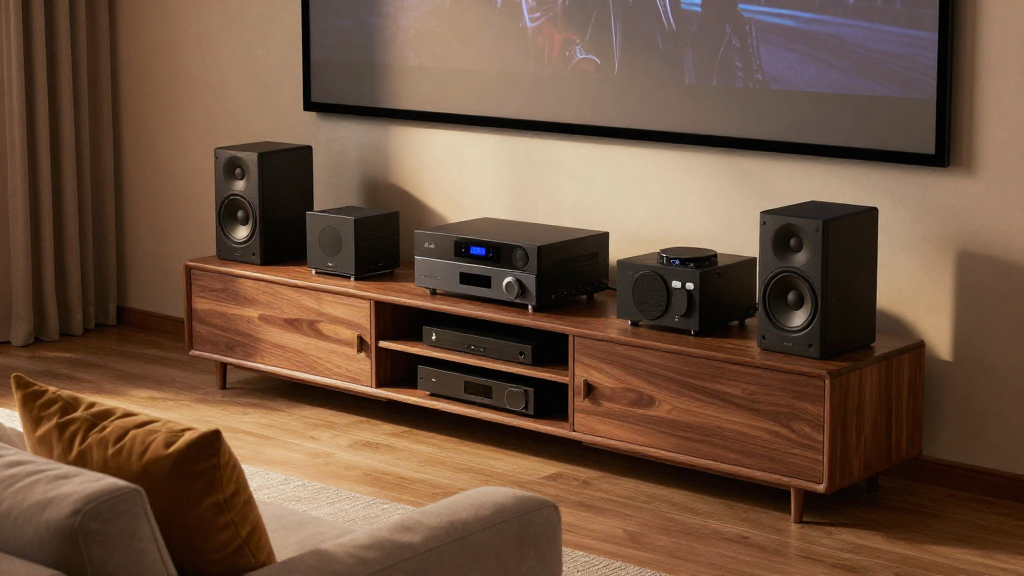
Setting up a home theater rack is crucial for achieving an organized and efficient entertainment space. In this article, we will explore the steps and considerations involved in creating an effective home theater rack setup.
What Is a Home Theater Rack?
A home theater rack is a structured unit designed to house various electronic components of a home entertainment system. This could include items like receivers, Blu-ray players, gaming consoles, and streaming devices. Understanding the purpose of a home theater rack is the first step in setting it up.
Components Typically Found in a Home Theater Rack
- AV Receivers: The heart of the home theater, managing audio and video signals.
- Media Players: Blu-ray players, streaming devices, and gaming consoles.
- Gaming Consoles: Xbox, PlayStation, and other gaming systems.
These components work together to create a seamless multimedia experience. Choosing the right components for your home theater rack will enhance your viewing and listening pleasure.
Benefits of Using a Home Theater Rack
- Organization: Keeps all your devices in one place.
- Cable Management: Helps manage and hide cables for a cleaner look.
- Accessibility: Makes it easier to access devices for maintenance or changes.
By investing in a home theater rack, you can simplify your setup while enhancing the overall aesthetic of your space.
How Do You Choose the Right Home Theater Rack?
Selecting the appropriate home theater rack is essential for maximizing both functionality and aesthetics. Several factors should be considered when choosing the right rack for your setup.
Size and Dimensions
First, measure the available space in your room. A home theater rack should fit comfortably without overcrowding the area. Consider the following:
- **Height:** Ensure it’s not too tall or short for your seating arrangement.
- **Width:** Make sure it can accommodate all your devices.
- **Depth:** Verify that it can hold deeper components without issues.
Choosing the right size will ensure that your home theater rack blends well with your room’s layout.
Material and Build Quality
The material of your home theater rack can impact its durability and aesthetic appeal. Common materials include:
- Wood: Offers a classic look and solid build.
- Metal: Provides a modern feel and excellent sturdiness.
- Glass: Creates a sleek appearance but may require more care.
Choosing the right material will align with your style and ensure longevity.
What Equipment Is Needed for a Home Theater Rack Setup?
Setting up a home theater rack requires various equipment and accessories to ensure optimal performance. Knowing what to include will help you create a top-notch experience.
Audio and Video Equipment
To start, you’ll need essential audio and video equipment:
- AV Receiver: Central to your setup, handling audio and video switching.
- Speakers: Choose surround sound speakers for an immersive experience.
- Television or Projector: Select based on room size and viewing distance.
These components are crucial for creating a powerful home theater experience.
Additional Accessories
In addition to main components, consider including:
- Cable Management Solutions: Velcro ties or cable sleeves to keep wires tidy.
- Power Strips: Ensure all devices have adequate power connections.
- Remote Controls: Universal remotes to simplify operation.
These accessories will streamline your home theater rack setup and enhance convenience.
How Do You Organize a Home Theater Rack?
Proper organization is key to a successful home theater rack setup. An organized system not only looks better but also makes it easier to access and manage your devices.
Logical Arrangement of Components
Place your equipment in a logical order based on frequency of use:
- Top Shelf: Ideal for devices you use often, like streaming devices.
- Middle Shelf: Good for the AV receiver, as it often requires ventilation.
- Bottom Shelf: Best for less frequently used items, such as game consoles.
This arrangement allows for easy access and improved airflow to prevent overheating.
Effective Cable Management
Good cable management is essential to avoid clutter and confusion. Follow these tips:
- **Use Cable Ties:** Secure cables together to prevent tangling.
- **Label Cables:** Clearly mark cables for easy identification.
- **Hide Cables:** Use cable covers or conduits to conceal unsightly wires.
Effective cable management will not only improve aesthetics but also enhance the functionality of your home theater rack setup.
What Are the Best Practices for Maintaining Your Home Theater Rack Setup?
Once your home theater rack is set up, regular maintenance ensures longevity and performance. Adhering to best practices will keep your system running smoothly.
Regular Dusting and Cleaning
Dust and debris can accumulate on your equipment, affecting performance. Here are some cleaning tips:
- **Use a Microfiber Cloth:** Gently wipe surfaces to avoid scratches.
- **Clean Vents:** Ensure that ventilation slots are free from dust.
- **Avoid Harsh Chemicals:** Use mild cleaners to prevent damage.
Regular cleaning helps maintain the aesthetics and functionality of your home theater rack setup.
Check Connections and Cables
Periodically checking your connections can prevent audio and video issues:
- **Inspect Cables:** Look for frays or damage.
- **Secure Connections:** Ensure all cables are firmly connected.
- **Update Firmware:** Keep devices updated to improve performance.
These checks will ensure your home theater rack operates at peak performance.
Conclusion
A well-planned home theater rack setup can significantly enhance your entertainment experience. By understanding the components, choosing the right equipment, organizing effectively, and maintaining regularly, you can create a space that is both functional and aesthetically pleasing. Start your home theater journey today and enjoy movie nights like never before!