
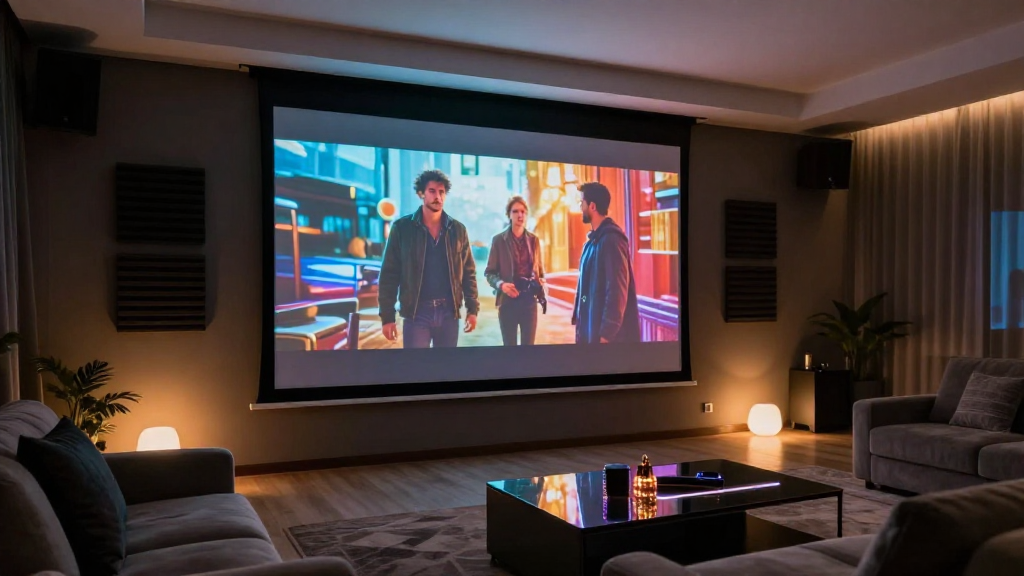
In this article, we will explore how a home theater projector screen works, its components, and the various types available for an optimal viewing experience.
What Are the Main Components of a Home Theater Projector Screen?
Understanding the primary components of a home theater projector screen is essential for grasping how it operates. Here are the main elements:
Screen Material
The screen material is crucial as it affects the image quality significantly. Different materials, like matte, glossy, or woven fabrics, have unique properties that influence brightness and contrast.
Frame
The frame supports the screen and can be fixed or portable. A sturdy and well-designed frame minimizes distortion and ensures the screen remains taut for the best visual experience.
Mounting Options
Mounting options vary widely, including ceiling mounts, wall mounts, or even portable stands. The right mounting option ensures that the projector screen is positioned at the correct angle and height for optimal viewing.
How Does a Home Theater Projector Screen Enhance Image Quality?
A home theater projector screen enhances image quality through specific features that interact with the projected light. Here are some ways it improves your viewing experience:
Gain and Reflection
The screen’s gain refers to its ability to reflect light. A high-gain screen will reflect more light towards the audience, resulting in a brighter image, while a low-gain screen may produce a softer image.
Color Accuracy
Different screen materials can affect color reproduction. A quality projector screen helps ensure that colors are vibrant and true to life, enhancing the overall cinematic experience.
Viewing Angle
The viewing angle describes how far off-axis a viewer can be while still enjoying a quality image. A good home theater projector screen maintains color and brightness even at wide angles, making it suitable for group viewings.
What Types of Home Theater Projector Screens Are Available?
There are various types of home theater projector screens to cater to different needs and preferences. Here are some popular options:
Fixed Frame Screens
Fixed frame screens are designed to remain in a permanent position. Typically made from high-quality materials, they provide a taut viewing surface that enhances image quality.
Retractable Screens
Retractable screens offer flexibility, allowing you to pull them down when needed and retract them when not in use. This type is ideal for multipurpose rooms, maintaining aesthetics without compromising functionality.
Portable Screens
Portable screens are lightweight and easy to set up, making them perfect for people who travel or host movie nights at different locations. They often come with their own stands for stability.
How Do You Choose the Right Home Theater Projector Screen?
Selecting the right home theater projector screen involves several considerations to ensure it meets your requirements. Here are key factors to keep in mind:
Screen Size
The size of the screen should correspond to your room’s dimensions and the viewing distance. A larger screen can provide a more immersive experience, but it should not overwhelm the space.
Aspect Ratio
The aspect ratio is the width-to-height ratio of the screen. Common ratios include 16:9 for widescreen and 4:3 for standard formats. Consider the content you’ll be viewing to choose the best ratio.
Installation Location
Your installation location will affect which type of screen is most suitable. Take into account factors like ceiling height, wall space, and available mounting options to determine the best fit.
What Are the Common Mistakes to Avoid When Setting Up a Home Theater Projector Screen?
Setting up a home theater projector screen can be straightforward, but several common mistakes can detract from your experience. Here are some pitfalls to avoid:
Improper Height
Mounting the screen at the wrong height can lead to neck strain and an uncomfortable viewing experience. Aim for the center of the screen to be at eye level when seated.
Ignoring Ambient Light
Ambient light can wash out images on your screen. Consider your room’s lighting and select a screen material that can combat light interference if you plan to watch in bright conditions.
Overlooking Calibration
Failing to calibrate your projector and screen setup can result in subpar image quality. Take the time to adjust settings for brightness, contrast, and color to maximize performance.
How Does a Home Theater Projector Screen Work in Different Environments?
The effectiveness of a home theater projector screen varies based on the environment. Here’s how different settings impact its performance:
Dedicated Home Theaters
In dedicated home theaters, you can control ambient light and optimize seating arrangements, making it ideal for high-quality projector screens. These environments are perfect for fixed frame screens.
Living Rooms
Living rooms often have more ambient light and varied seating. Retractable or portable screens can be beneficial here, allowing flexibility and easier management of lighting conditions.
Outdoor Settings
Outdoor setups require special considerations, such as wind and light interference. Look for outdoor-rated screens that are durable and designed to handle varying weather conditions.
Conclusion: How Does a Home Theater Projector Screen Work?
A home theater projector screen works by enhancing the quality of projected images through its specific materials and features. By understanding how these screens function, you can make informed decisions when selecting the right one for your space. With the right setup, you can transform your viewing experience and enjoy movies, shows, and games like never before.