
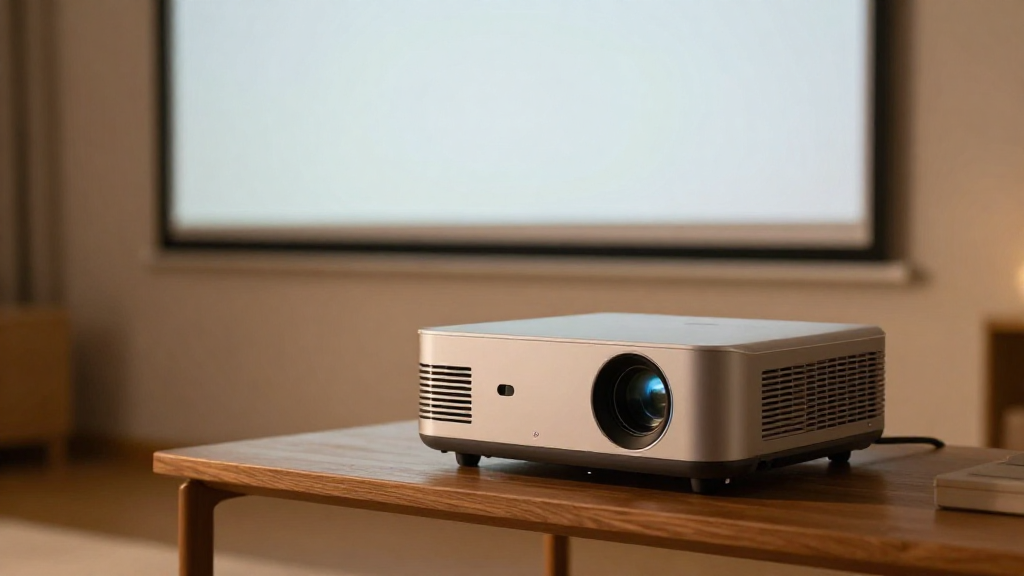
This article explains how a home theater projector works, detailing the technology behind it and its benefits.
What is a Home Theater Projector?
A home theater projector is a device that projects images onto a screen or wall, providing an immersive viewing experience. They are designed to deliver high-quality video and sound, making them popular for movie enthusiasts and gamers alike. Understanding the components and functions of these projectors is crucial for optimizing your home viewing setup.
Key Components of Home Theater Projectors
Home theater projectors consist of several key components that work together to create stunning visuals. These include:
- Light Source: This could be a lamp, LED, or laser, responsible for producing light that illuminates the image.
- Optical System: The lens and other optical elements that focus and direct the light onto the screen.
- Image Processing Unit: This component processes the video signals and enhances image quality.
Types of Home Theater Projectors
There are various types of home theater projectors available, each suited for different needs:
- DLP (Digital Light Processing): Known for sharp images and good color accuracy.
- LCD (Liquid Crystal Display): Offers vibrant colors and is typically more affordable.
- LED and Laser Projectors: Provide long-lasting light sources and energy efficiency.
How Does a Home Theater Projector Work?
Understanding how a home theater projector works involves exploring its operation and the technology behind it. The projector takes input signals from various sources and transforms them into a projected image. Here’s a closer look at the process:
Input Signal Reception
The first step in the operation involves receiving input signals from devices such as Blu-ray players, gaming consoles, or streaming devices. These signals usually come in the form of HDMI or VGA connections. The projector then decodes this information to prepare it for projection.
Image Creation
Once the projector receives the signal, it begins the image creation process. This involves:
- Using the light source to illuminate the image.
- Employing the optical system to focus the light correctly.
- Utilizing the image processing unit to enhance and adjust the image quality.
Projection of the Image
After creating the image, the projector uses its optical system to project the image onto a screen or wall. The image is displayed in a larger format, transforming your viewing experience. Proper alignment and distance from the screen are crucial for achieving the best results.
What Are the Benefits of Using a Home Theater Projector?
Home theater projectors offer several advantages over traditional televisions, making them a popular choice for home entertainment systems. Here are some of the primary benefits:
Enhanced Viewing Experience
One of the most significant benefits of a home theater projector is the immersive viewing experience it provides. With larger screen sizes, viewers can enjoy films and games as if they were in a theater. This scale can enhance emotional engagement with the content.
Space Efficiency
Home theater projectors are often more space-efficient than large televisions. They can be mounted on ceilings or placed in corners, freeing up valuable living space. This flexibility allows you to design your room to optimize comfort and aesthetics.
Cost-Effective for Large Screens
While high-end projectors can be pricey, they are generally more cost-effective than purchasing large LCD or OLED TVs. Home theater projectors can deliver impressive image sizes without the hefty price tag often associated with big screens.
What Should You Consider When Buying a Home Theater Projector?
When considering a home theater projector, you should evaluate several key factors to ensure it meets your needs. These considerations will help you make an informed purchase:
Brightness Levels
Brightness is crucial for achieving a clear image in various lighting conditions. Look for projectors with higher lumens ratings for well-lit rooms, while lower ratings may suffice for darker environments. A good rule of thumb is:
- 1000-1500 lumens for dark rooms.
- 1500-3000 lumens for medium-lit rooms.
- 3000+ lumens for bright rooms.
Resolution
The resolution of a home theater projector directly impacts the image quality. Higher resolution projectors are capable of displaying finer details. Common resolutions include:
- 1080p (Full HD): Good for most home theaters.
- 4K: Offers exceptional detail and is ideal for larger screens.
Throw Ratio
The throw ratio determines how far the projector needs to be from the screen to produce a specific image size. Understanding this measurement is crucial for setting up your projector in the optimal location. A lower throw ratio indicates that the projector can be closer to the screen, which is beneficial for smaller rooms.
How Do You Set Up a Home Theater Projector?
Setting up a home theater projector involves several steps to ensure optimal performance and viewing quality. Here’s a simple guide to help you with the installation process:
Choosing the Right Location
First, select a suitable location for your projector. Consider factors such as:
- Distance from the screen: Ensure you have enough space based on the throw ratio.
- Ceiling height: The projector should be mounted at the right height for optimal viewing.
- Ambient light: Minimize light interference from windows or overhead lights.
Screen Selection
Choosing the right screen is equally important for a successful setup. Consider the following:
- Screen size: Match the size to your projector’s capabilities.
- Screen material: Different materials can enhance image quality and color.
Connecting to Devices
Finally, connect your projector to various devices using HDMI or other cables. Ensure that all connections are secure, and test the setup to confirm that everything is working correctly. This step is crucial for achieving the best audio and video quality.
Conclusion
Home theater projectors are a fantastic addition to any entertainment setup, providing an immersive viewing experience with flexibility and cost-effectiveness. Understanding how a home theater projector works, along with the essential factors to consider when purchasing and setting it up, will help you make the best choice for your home theater needs. Whether you’re a movie buff or a gaming enthusiast, a home theater projector explained in detail offers valuable insights for enhancing your viewing pleasure.