
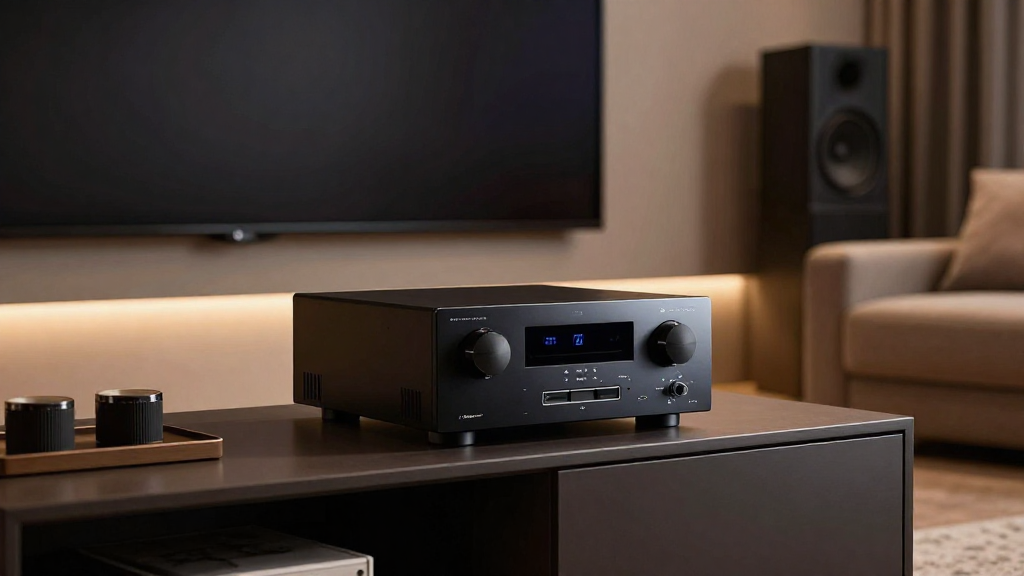
In this article, we will explain the role of a home theater preamp and how it contributes to an immersive audio experience.
What Is a Home Theater Preamplifier?
A home theater preamp is a crucial component in audio and video systems. It processes audio signals and prepares them for amplification, ensuring that the output sounds clear and balanced. Without a preamp, the audio quality in a home theater setup may suffer, leading to a less enjoyable viewing experience.
Key Functions of a Home Theater Preamplifier
Understanding the functions of a home theater preamp helps in appreciating its importance. Here are some of its key roles:
- Signal Processing: The preamp takes weak audio signals from various sources and enhances them before they reach the power amplifier.
- Input Selection: It allows users to switch between different audio sources easily, providing convenience.
- Volume Control: A preamp typically includes a volume control feature, enabling fine-tuning of audio levels.
Types of Home Theater Preamps
There are various types of home theater preamps, each suited for different needs. The main types include:
- Analog Preamps: These are designed for traditional audio sources and often have a simpler design.
- Digital Preamps: They handle digital audio signals and usually come with advanced features, including connectivity options.
- AV Receivers: Many AV receivers have built-in preamp functions, combining multiple components into one unit.
Why Is a Home Theater Preamplifier Important?
A home theater preamp is essential for achieving high-quality audio in a home theater system. It enhances the sound experience, making movies and music more enjoyable. Understanding its importance can help users make informed decisions when setting up their systems.
Improved Sound Quality
One of the most significant benefits of a home theater preamp is improved sound quality. Here’s how it helps:
- Clarity: A preamp ensures that audio signals are clean and free from distortion.
- Dynamic Range: It enhances the dynamic range, allowing listeners to hear soft whispers and loud explosions with equal clarity.
- Equalization: Many preamps offer equalization options to tailor the sound to the room’s acoustics.
Compatibility with Other Components
A home theater preamp works seamlessly with other components in the audio system. Its compatibility ensures that:
- Easy Integration: Users can easily integrate a preamp with various speakers and amplifiers.
- Future Upgrades: A preamp allows for easier upgrades and additions to the audio setup.
- Versatile Connectivity: The preamp usually comes with multiple input and output options for different devices.
How to Choose the Right Home Theater Preamplifier?
Choosing the right home theater preamp can significantly impact your audio experience. Consider several factors to find the best fit for your system.
Audio Quality and Features
When selecting a home theater preamp, prioritize audio quality and features. Look for:
- High-Quality DACs: Digital-to-analog converters (DACs) can affect sound quality immensely.
- Equalizer Settings: Having adjustable equalization settings can help tailor the sound to your preferences.
- Surround Sound Processing: Ensure the preamp supports the surround sound formats you plan to use.
Budget Considerations
Budget plays a crucial role in the selection process. Here are some tips:
- Set a Budget: Determine how much you are willing to spend on a preamp.
- Evaluate Features: Choose features that align with your needs rather than spending on unnecessary extras.
- Consider Used Options: Sometimes, buying a used preamp can provide excellent value for money.
What Are the Limitations of Home Theater Preamplifiers?
While home theater preamps offer many benefits, they also have some limitations. Understanding these can help users make informed decisions.
Cost
One limitation of home theater preamps is the cost associated with high-quality models. Consider the following:
- Investment: A good preamp can be a significant investment, often costing hundreds to thousands of dollars.
- Additional Components: Users may need to budget for additional components, including amplifiers and speakers.
- Value vs. Price: It’s critical to assess whether the additional cost translates into a noticeable improvement in sound quality.
Complex Setup
Another limitation is the potentially complex setup process. This includes:
- Cabling: Users may need to manage multiple cables and connections.
- Configuration: Some preamps require detailed configuration to achieve optimal performance.
- Learning Curve: New users may face a learning curve to understand all features and functionalities.
Conclusion: Is a Home Theater Preamplifier Worth It?
In conclusion, a home theater preamp is a valuable addition to any audio system. It plays a pivotal role in enhancing sound quality, improving compatibility, and providing essential features for an optimal audio experience. Ultimately, investing in a preamp can elevate your home theater system, making it well worth the consideration.