
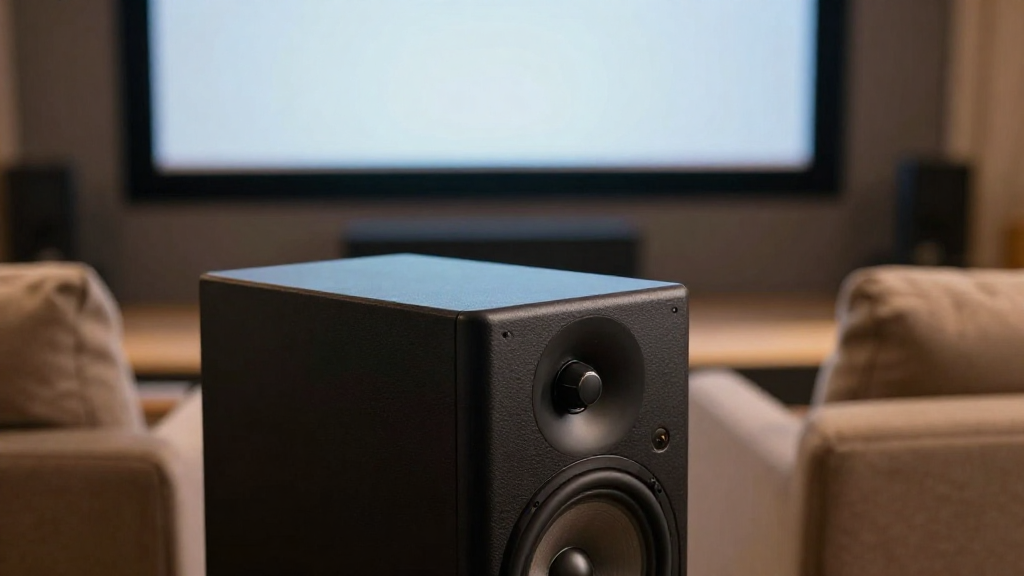
In this article, we will explore the process of home theater phase adjustment, specifically focusing on how to adjust the subwoofer phase for enhanced audio performance.
What is Subwoofer Phase Adjustment?
Subwoofer phase adjustment is a technique used to align the timing of your subwoofer’s output with the other speakers in your home theater system. Proper phase alignment ensures that all speakers work together harmoniously, delivering a cohesive sound experience. This adjustment can significantly impact the overall audio quality.
Understanding Phase in Audio Systems
In audio systems, phase refers to the position of a sound wave in its cycle at a given point in time. When dealing with multiple speakers, phase alignment becomes crucial. If the subwoofer is out of phase, it may cancel out sound from the main speakers, leading to a weak or muddy audio output.
Why is Phase Adjustment Important?
- Improved Sound Quality: Correct phase adjustment enhances the clarity and depth of sound.
- Better Bass Response: Aligning the phase ensures that bass frequencies are felt rather than just heard.
- Optimized Listening Experience: A well-calibrated system provides a more immersive audio experience.
How Do You Adjust Subwoofer Phase?
Adjusting the subwoofer phase in your home theater system is a straightforward process that can be achieved through various methods. The right technique depends on your specific setup, including the type of receiver and speakers you have. Below are the common approaches to effectively adjust the phase.
Using a Phase Switch
Many subwoofers come equipped with a phase switch, usually labeled as 0° and 180°. This switch allows you to toggle between two phase settings. Testing each setting while listening to music or a movie can help you determine which position provides the best sound quality.
Utilizing a Sound Level Meter
A sound level meter can provide precise measurements to help with phase adjustments. You can use the meter to measure sound levels from your subwoofer and main speakers. Adjust the phase until the sound levels are balanced, ensuring a more coherent audio output.
Using Room Calibration Systems
Many modern home theater receivers come with built-in room calibration systems that automatically adjust speaker settings, including phase. Utilizing these systems can save time and provide optimal settings tailored to your room’s acoustics.
What Tools Do You Need for Phase Adjustment?
Before you begin adjusting the subwoofer phase, it’s essential to gather the necessary tools to ensure the process runs smoothly. Below are some tools you might find helpful.
Sound Level Meter
A sound level meter is crucial for measuring decibel levels across your home theater system. It helps to identify discrepancies in sound output between the subwoofer and main speakers, aiding in precise phase adjustments.
Calibration Microphone
If your receiver supports it, a calibration microphone can be extremely beneficial. This microphone works with the room calibration system to analyze sound waves, helping to fine-tune phase settings automatically.
Audio Test Tracks
Having a selection of audio test tracks can help you evaluate the sound quality during adjustments. Look for tracks with prominent bass lines as they can help easily identify phase issues.
How Do You Know if Your Subwoofer is Out of Phase?
Detecting whether your subwoofer is out of phase can be done through careful listening and specific audio tests. There are several signs that indicate a phase issue that you should watch for.
Weak Bass Response
If you notice that the bass is lacking or sounds weak, it might be a sign that your subwoofer is out of phase. Proper phase alignment should provide a strong and impactful bass response that complements the main speakers.
Localization of Bass Frequencies
If you can easily pinpoint where the bass is coming from rather than feeling it as part of the overall sound, your subwoofer may be out of phase. The goal is for the bass to blend seamlessly with the rest of the audio.
Phase Cancellation Effects
When the subwoofer is out of phase with the main speakers, you may experience phase cancellation, where certain frequencies are diminished or eliminated altogether. Listening for a lack of clarity in specific frequency ranges can indicate this issue.
What Are Common Mistakes in Subwoofer Phase Adjustment?
While adjusting the phase of your subwoofer is generally straightforward, there are common mistakes that can lead to suboptimal audio quality. Being aware of these pitfalls can help you achieve the best results.
Ignoring Room Acoustics
Room acoustics can heavily influence how sound waves interact within your space. Failing to consider room shape, materials, and furniture placement may lead to incorrect phase settings, resulting in poor audio performance.
Rushing the Adjustment Process
Taking your time during the adjustment process is crucial. Rushing through the settings can cause you to overlook important details that affect sound quality. Always double-check your adjustments through critical listening.
Overlooking Speaker Placement
Speaker placement plays a vital role in the overall sound experience. If your subwoofer or main speakers are not positioned correctly, it can negate the benefits of phase adjustment. Make sure to optimize speaker placement for the best sound distribution.
Conclusion: Mastering Subwoofer Phase Adjustment
In conclusion, mastering home theater phase adjustment, particularly for your subwoofer, is essential for achieving optimal sound quality. By understanding the importance of phase, utilizing the right tools, and avoiding common mistakes, you can significantly enhance your audio experience. Take the time to make these adjustments, and you’ll enjoy a more immersive and high-quality home theater setup.