
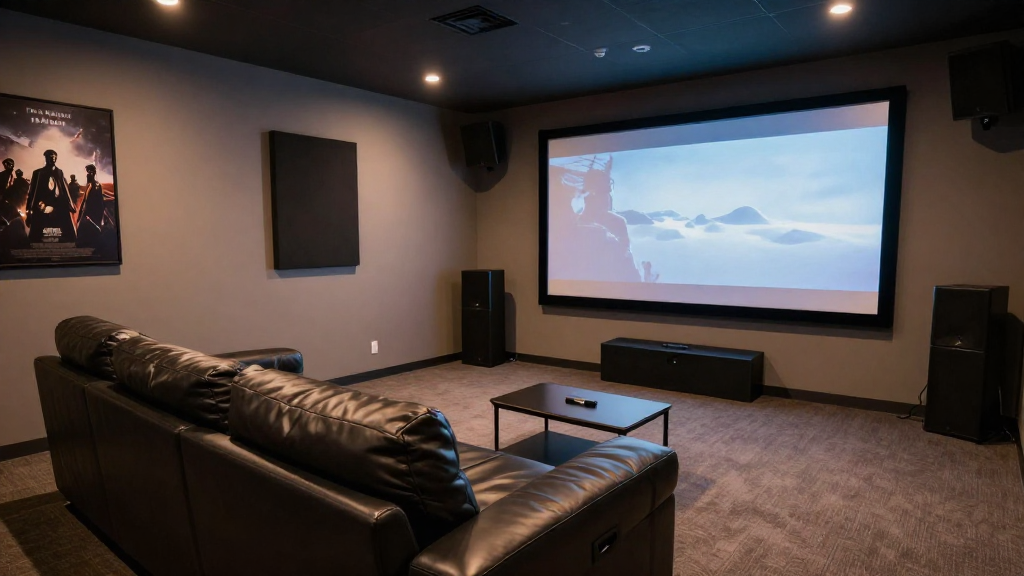
In this article, we will explore the best home theater listening position to enhance your audio experience and ensure that you enjoy your favorite movies and music to the fullest.
What Factors Influence Listening Position?
Several factors can affect where you should sit in your home theater. Understanding these factors can help you maximize your audio experience.
Room Size and Shape
The dimensions of your room play a significant role in determining the best home theater listening position. In smaller rooms, you may need to sit closer to the screen, while larger rooms allow for more flexibility. Additionally, the shape of the room can influence sound reflection, which is critical for achieving balanced audio.
Speaker Placement
Proper speaker placement is essential for creating an immersive sound environment. Ideally, your front speakers should be positioned at ear level when you are seated. Surround speakers should be placed to the sides or slightly behind your listening position to envelop you in sound. Experimenting with the angle and distance of your speakers can help you find the best setup.
Acoustic Treatment
The acoustics of your room can greatly impact your listening experience. Hard surfaces can create echoes, while soft furnishings can absorb sound. Adding rugs, curtains, or acoustic panels can improve sound quality and help you determine the optimal home theater listening position. Don’t forget to consider furniture placement as well, as it can affect sound waves.
Where Should You Sit for Optimal Sound Quality?
Finding the right seat is crucial for enjoying a home theater experience. Let’s delve into the specifics of seating arrangements.
Centering Your Seat
The ideal home theater listening position is usually centered in front of the screen. This position allows for equal distance between you and the left and right speakers, resulting in balanced sound. If you’re using a multi-channel audio system, sitting in the center will help you experience the full range of audio effects.
Distance from the Screen
As a rule of thumb, the distance from your seat to the screen should be about 1.5 to 2.5 times the diagonal size of your display. For example, if you have a 65-inch TV, your ideal listening position should be between 8 and 13 feet away from the screen. This distance helps prevent eye strain while ensuring an immersive experience.
Height Considerations
Your seat height also matters in finding the best home theater listening position. Ideally, your ears should be aligned with the height of the tweeters in your speakers. If your seating is too low or too high, it can result in an uneven soundstage and affect your overall listening experience.
How Can You Optimize Your Listening Position?
Adjustable Seating
Consider investing in adjustable seating for your home theater. Recliners or chairs that allow you to modify the angle can help you find the most comfortable position for listening. This flexibility is especially useful for long movie marathons or gaming sessions.
Use of Subwoofers
A subwoofer can significantly enhance your audio experience by adding depth to the sound. Positioning your subwoofer correctly is as crucial as finding your home theater listening position. Ideally, it should be placed along the front wall, but you may need to experiment with different placements to find the best position that complements your main speakers.
Sound Calibration
Many modern AV receivers come with built-in sound calibration tools. Using these tools can help you fine-tune your audio settings based on your room’s acoustics. This calibration will ensure that you achieve the best possible sound quality from your home theater system.
What Common Mistakes Should You Avoid?
To achieve the best home theater listening position, it’s essential to avoid common pitfalls in setup and arrangement.
Sitting Too Close or Too Far
One of the most common mistakes is sitting too close or too far from the screen. Being too close can lead to an overwhelming experience, while sitting too far away can make it difficult to appreciate the details. Following the distance guidelines mentioned earlier can help avoid this issue.
Ignoring Room Acoustics
Many people overlook the importance of room acoustics when setting up their home theater. Ignoring how sound behaves in your space can lead to poor audio quality. Ensure that you assess your room’s acoustics and make necessary adjustments to optimize your listening position.
Neglecting Surround Sound Configuration
Failing to properly configure your surround sound system can detract from the experience. Ensure that all speakers are correctly connected and calibrated to create an immersive sound environment. A poorly configured system can lead to imbalanced audio, affecting your overall enjoyment.
Can You Adjust Your Listening Position for Different Activities?
Your home theater listening position can be tailored to suit various activities, from watching movies to gaming. Let’s explore how to adjust for each scenario.
Movie Watching
For movie watching, the ideal home theater listening position is typically centered and at a moderate distance from the screen. This positioning allows you to absorb the full cinematic experience. Make sure to maintain an unobstructed view of the screen for the best experience.
Gaming
When gaming, you might prefer a more immersive position that feels closer to the action. Some gamers opt for a slightly closer viewing distance to enhance their focus and engagement. Adjust your seat height and angle to optimize your reaction time and comfort during extended gaming sessions.
Music Listening
For music listening, you might want to experiment with your home theater listening position to find the sweet spot for sound quality. This could involve moving your seat slightly forward or backward to achieve the best balance of bass and treble. A focused listening position can enhance your appreciation of musical details.
Conclusion: Finding Your Ideal Home Theater Listening Position
In summary, the best home theater listening position is influenced by multiple factors, including room size, speaker placement, and personal preferences. By optimizing these elements, you can create an engaging audio experience that enhances your entertainment enjoyment. Remember to regularly assess and adjust your setup as needed to maintain the best sound quality.