
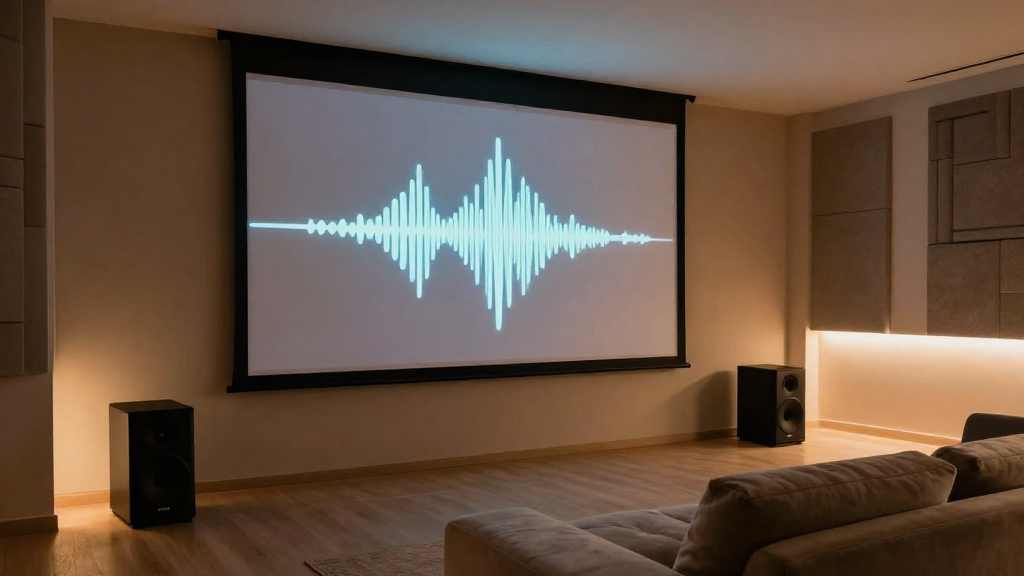
This article explains the importance and function of the LFE channel in home theater systems, helping you understand how it contributes to an immersive audio experience.
What Does LFE Stand For?
The acronym LFE stands for **Low-Frequency Effects**. This channel is specifically designed to handle low-frequency sounds, usually below 120 Hz, which contributes significantly to the overall audio experience in a home theater system. Understanding LFE is crucial for audio enthusiasts who want to optimize their setup.
How Does LFE Work?
The LFE channel operates by redirecting low-frequency sounds from the main audio tracks to a dedicated subwoofer. This ensures that the deep bass tones are delivered with clarity and power. The LFE channel is essential for creating an impactful sound environment that enhances the realism of movies and music.
Why Is LFE Important?
Without the LFE channel, many audio elements, such as explosions, music bass lines, and ambient sounds, would lose their depth and impact. The LFE channel adds a dimension to sound that can make scenes feel more alive. It allows for a richer auditory experience, making home theaters more enjoyable.
How Is the LFE Channel Used in Home Theater Systems?
The LFE channel is used in various formats, including **Dolby Digital**, **DTS**, and **PCM audio**, which are commonly found in movies and music. Many home theater systems are designed to utilize this channel to improve sound quality. Implementing the LFE channel effectively can elevate your viewing and listening experience.
Setting Up the LFE Channel
To set up the LFE channel correctly, ensure that your receiver is configured to recognize the subwoofer as part of the home theater system. This can usually be done in the audio settings menu of your receiver. Proper calibration is essential to ensure that the bass is not overwhelming but complements the overall audio balance.
Common Misconceptions About LFE
- LFE is just about bass: While the LFE channel deals primarily with low frequencies, its purpose is to enhance the overall sound experience, not just to provide bass.
- All audio systems need an LFE channel: While beneficial, not all audio setups require a dedicated LFE channel, particularly smaller systems.
- LFE is only for movies: The LFE channel is also beneficial for music, particularly genres that rely heavily on bass.
What Are the Benefits of Using an LFE Channel?
Utilizing an LFE channel offers numerous advantages that can enhance your home theater experience. From improved sound quality to more immersive audio experiences, the benefits are significant. By integrating an LFE channel into your system, you can enjoy a fuller range of sound that brings your media to life.
Enhanced Audio Experience
The primary benefit of the LFE channel is the enhancement of the audio experience. Soundtracks with deep bass become much more impactful, allowing viewers to feel the action rather than just hear it. This immersive quality is especially noticeable during action-packed movies or concerts.
Better Sound Clarity
By offloading low-frequency sounds to a dedicated subwoofer via the LFE channel, the clarity of mid and high frequencies improves significantly. This leads to a more balanced audio output where vocals and instruments are more pronounced. Clearer sound makes dialogues easier to understand and music more enjoyable.
How Do You Optimize Your LFE Channel?
Calibration Techniques
Using calibration tools, such as **room correction software**, can help optimize the performance of your subwoofer. These tools analyze the acoustics of your room and adjust the settings accordingly. Regular calibration is essential for maintaining optimal audio quality.
Placement of the Subwoofer
The placement of your subwoofer can greatly affect the performance of the LFE channel. Ideally, the subwoofer should be positioned in a location where it can produce even bass throughout the room. Experimenting with different placements can lead to better sound distribution.
Volume and Frequency Adjustments
Adjusting the volume and crossover frequency of your subwoofer is crucial for achieving optimal sound. The crossover frequency should be set around 80-120 Hz to ensure that low frequencies blend well with the other speakers. Balancing the volume is also essential; too much can overpower other audio elements, while too little can diminish the impact.
Conclusion: Why Understanding the LFE Channel Matters
Understanding the LFE channel is vital for anyone looking to enhance their home theater audio experience. The LFE channel not only adds depth to sound but also improves clarity and immersion during playback. By optimizing your LFE channel, you can transform your listening experience, making it as dynamic and engaging as possible.