
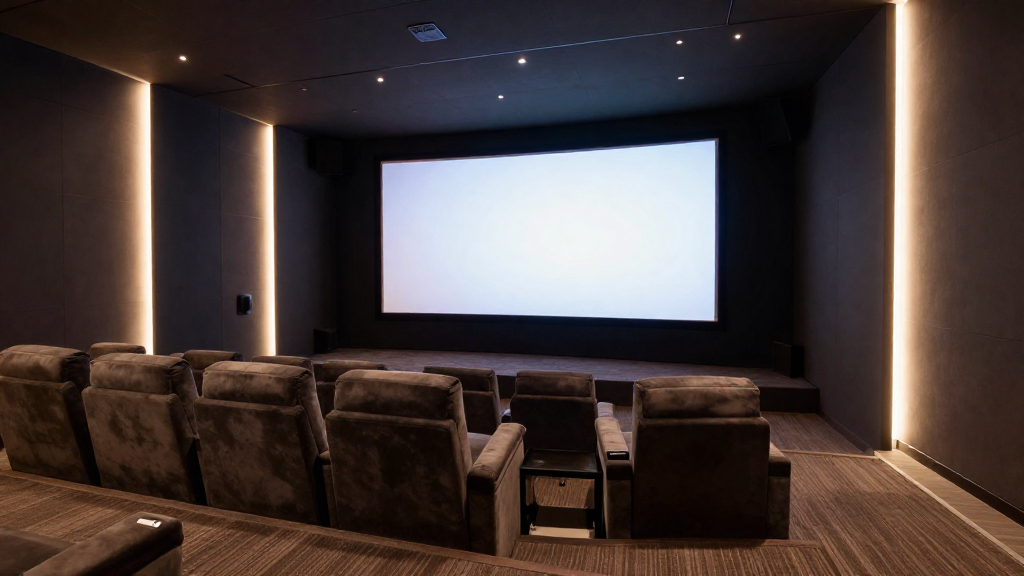
Designing an effective home theater layout is crucial for an immersive viewing experience. This article will explore key considerations to help you create the ultimate cinematic space.
What is the Ideal Room Size for a Home Theater?
Choosing the right room size is fundamental for your home theater layout. A well-sized room can enhance sound and image quality, making your viewing experience more enjoyable.
Considerations for Room Dimensions
When planning your home theater layout, consider the following dimensions:
- **Width**: A minimum of 12 feet is recommended for optimal sound distribution.
- **Length**: Aim for at least 15-20 feet to allow for comfortable seating arrangements.
- **Height**: A ceiling height of 8-10 feet can help improve acoustics.
Room Shape and Its Impact
The shape of the room can significantly affect sound quality and viewing angles. Ideally, a rectangular room is preferred over a square one to minimize acoustic issues.
Acoustic Treatments
To enhance the sound quality of your home theater layout, consider adding acoustic treatments. These can include:
- **Sound-absorbing panels** on walls and ceilings.
- **Bass traps** in corners to reduce low-frequency noise.
- **Carpeting** or rugs to minimize sound reflection.
How to Position Your Seating?
Seating arrangement is another key aspect of your home theater layout. The right positioning can maximize comfort and viewing pleasure.
Determining the Best Viewing Distance
The viewing distance is essential for an immersive experience. A general rule of thumb is:
- For **HD TVs**, sit 1.5 to 2.5 times the diagonal screen size away.
- For **4K TVs**, sit closer, around 1 to 1.5 times the screen size.
Arranging Seats for Optimal Viewing Angles
Ensure that all seats have a clear view of the screen. Consider the following tips:
- **Tiered seating** can help everyone see without obstruction.
- Position seats at a slight angle towards the screen for better sightlines.
Comfort and Accessibility
Don’t overlook comfort and accessibility in your home theater layout. Here are some important aspects to consider:
- Leave enough space between rows for easy movement.
- Include comfortable seating options, like recliners or theater seats.
Which Equipment is Essential for a Home Theater Layout?
The right equipment can make or break your home theater experience. Here’s what you need to consider for your layout.
Choosing the Right Screen Size
Selecting the proper screen size is vital. Factors to consider include:
- **Room size**: Larger rooms can accommodate bigger screens.
- **Resolution**: Higher resolution means you can sit closer without losing quality.
Audio Systems: What to Look For
Your audio system is just as important as your visual components. Here are some aspects to evaluate:
- **Speaker Placement**: Surround sound systems should be properly positioned for full effect.
- **Subwoofers**: Place subwoofers strategically to enhance bass without overwhelming the space.
Lighting Considerations
Lighting can affect both mood and functionality in your home theater layout. Consider these tips:
- **Dimmable lights** to adjust brightness based on the viewing experience.
- **Ambient lighting** to reduce eye strain while still providing enough visibility.
How to Optimize Your Home Theater Layout?
Optimization of your home theater layout can enhance the overall experience. Here are some strategies to implement.
Wiring and Cable Management
Proper wiring is essential to maintain a clean and functional space. Here’s how to manage it:
- **Conceal cables** behind walls or under carpets to prevent clutter.
- Use **cable ties** or organizers to keep everything tidy.
Ventilation and Temperature Control
A comfortable temperature is vital for an enjoyable viewing experience. Ensure your layout includes:
- **Proper ventilation** to prevent overheating of equipment.
- **Temperature control** solutions like air conditioning or fans.
Future-Proofing Your Setup
Consider future upgrades when designing your home theater layout. Here are some ways to future-proof:
- Leave space for additional equipment or seating.
- Invest in **smart technology** that can be easily updated.
What Are Common Mistakes to Avoid?
Being aware of common pitfalls can save you time and money. Here are mistakes to avoid in your home theater layout.
Neglecting Sound Quality
Focusing solely on visuals can lead to poor sound quality. Remember to:
- Invest in a quality audio system and proper speaker placement.
- Consider acoustics when designing your layout.
Poor Lighting Choices
Inadequate lighting can detract from the theater experience. Make sure to:
- Incorporate adjustable lighting options.
- Ensure that light sources do not glare on the screen.
Ignoring Comfort
Comfort is crucial for long viewing sessions. Avoid these errors:
- Choose seats that provide adequate support.
- Ensure enough legroom between rows for easy access.
In summary, a well-designed home theater layout involves careful consideration of room dimensions, seating arrangements, equipment choices, and optimization strategies. By avoiding common mistakes and focusing on essential aspects, you can create an incredible cinematic experience right in your home.