
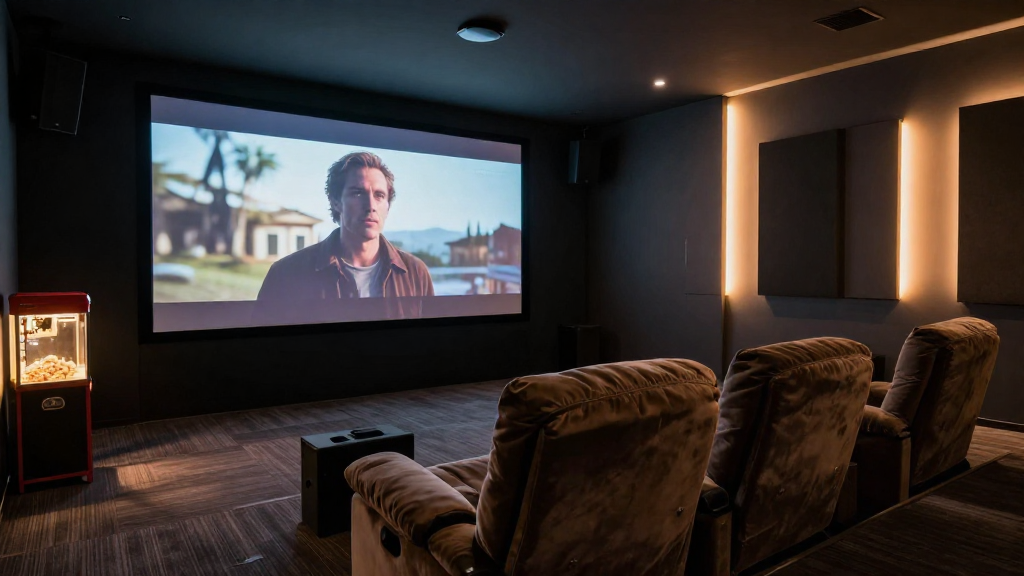
In this article, we will explore important terms related to home theater glossary that will help you better understand the components and concepts of home entertainment systems.
What is a Home Theater?
A home theater is a dedicated space designed to replicate the experience of watching movies in a cinema. This setup typically includes a large screen, surround sound speakers, and comfortable seating.
Components of a Home Theater
Understanding the various components of a home theater is crucial. Here are the main elements:
- Projector or TV: The centerpiece of your setup, either a large flat-screen TV or a projector for a cinematic experience.
- Audio System: Includes speakers and receivers that create an immersive sound experience.
- Media Player: Devices like Blu-ray players or streaming devices that provide content.
Benefits of a Home Theater
A home theater offers numerous advantages, such as:
- Convenience: Enjoy movies without leaving your home.
- Comfort: Relax in your own space with personalized seating.
- Cost-Effective: Save on ticket prices and concessions over time.
What Does “Resolution” Mean in Home Theater?
Resolution is a critical term in the home theater glossary that refers to the number of pixels displayed on the screen. Higher resolution means more detail and clarity.
Types of Resolutions
Different types of resolutions are crucial to understand when setting up your home theater:
- 720p: This is considered HD, offering decent quality for most viewing needs.
- 1080p: Full HD resolution that provides excellent picture quality.
- 4K: Ultra HD that delivers stunning detail and clarity.
Importance of Resolution
Choosing the right resolution impacts your viewing experience. Consider the following:
- Screen Size: Higher resolutions are crucial for larger screens to avoid pixelation.
- Viewing Distance: The closer you sit, the more resolution matters.
- Content Availability: Ensure your content supports the chosen resolution for the best experience.
What is a Receiver in Home Theater Terminology?
A receiver acts as the control center for your home theater. It manages audio and video signals from various sources and sends them to the appropriate outputs.
Functions of a Home Theater Receiver
The receiver plays several key roles in your setup:
- Audio Processing: Converts audio signals to surround sound formats.
- Video Switching: Allows multiple devices to connect to a single display.
- Control Hub: Centralizes control for all components, making it easier to manage your system.
Choosing the Right Receiver
Selecting an appropriate receiver is essential for optimal performance. Consider the following factors:
- Power Output: Ensure it can drive your speakers effectively.
- Compatibility: Check that it supports the formats and devices you plan to use.
- Features: Look for advanced features like built-in streaming and multi-room audio.
What are Speakers in a Home Theater?
Speakers are a vital part of the home theater glossary, responsible for delivering sound. They come in various types and configurations to enhance audio quality.
Types of Speakers
There are several types of speakers you can incorporate into your home theater:
- Floor-Standing Speakers: Tall and powerful, ideal for main audio.
- Bookshelf Speakers: Compact and versatile for smaller spaces.
- Subwoofers: Specialized speakers that produce deep bass sounds.
Speaker Configuration
Proper speaker configuration enhances the surround sound experience. Common setups include:
- 5.1 Surround Sound: Includes five speakers and one subwoofer for a balanced sound.
- 7.1 Surround Sound: Adds two additional speakers for a more immersive experience.
- Dolby Atmos: A height channel for truly three-dimensional sound.
What is an HDMI Cable?
HDMI cables are crucial in the home theater glossary, facilitating the transfer of high-definition audio and video signals between devices. Understanding their significance can improve your setup.
Types of HDMI Cables
Different types of HDMI cables serve various purposes. Here are some common types:
- Standard HDMI: Suitable for most devices and resolutions.
- High-Speed HDMI: Supports resolutions up to 4K and advanced features.
- Ultra High-Speed HDMI: Ideal for 8K resolutions and enhanced bandwidth.
Choosing the Right HDMI Cable
When selecting an HDMI cable, consider these factors:
- Length: Ensure it’s long enough for your setup but not excessively long to avoid signal degradation.
- Version: Match the cable version to your equipment’s capabilities.
- Build Quality: Look for durable cables that can withstand wear and tear.
What is a Streaming Device?
Streaming devices are essential in modern home theaters, allowing users to access a variety of content from the internet. Understanding their role can enhance your viewing experience.
Popular Streaming Devices
Several streaming devices are available, each with its unique features:
- Roku: Offers a wide range of channels and easy navigation.
- Amazon Fire Stick: Integrates well with Alexa and offers various apps.
- Apple TV: Provides a seamless experience for Apple users.
Benefits of Streaming Devices
Incorporating a streaming device into your home theater setup has several advantages:
- Diverse Content: Access to movies, shows, and live TV from various platforms.
- User-Friendly: Easy to use with intuitive interfaces.
- Regular Updates: Frequent software updates improve functionality and content options.
Conclusion
Understanding the home theater glossary is essential for anyone looking to enhance their home entertainment experience. Familiarizing yourself with the terminology allows you to make informed decisions about your setup, ensuring you get the most out of your investment. Whether exploring resolutions, receivers, speakers, or streaming devices, knowing the right terms will empower you to create the ultimate home theater experience.