
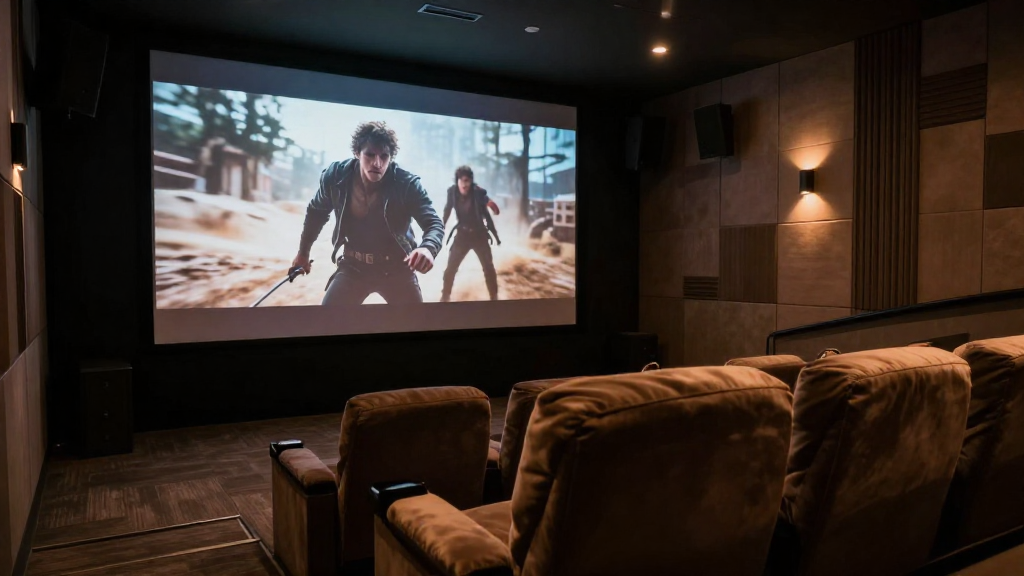
This article delves into how dynamic compression works in home theater systems and its significance for audio quality.
What is Dynamic Compression?
Dynamic compression is a process used in audio engineering to manage volume levels in sound recordings and playback. It reduces the volume of the loudest sounds, making them less jarring, while amplifying softer sounds to create a more balanced audio experience. This technique is especially essential in home theater systems to enhance overall sound clarity.
Understanding Sound Dynamics
Sound dynamics refer to the variations in loudness between the softest and loudest parts of an audio signal. In a typical home theater setup, these dynamics can create an immersive experience, but without dynamic compression, extremes in volume can lead to discomfort for listeners. By applying dynamic compression, these dynamics are controlled, resulting in a more pleasant auditory experience.
Benefits of Dynamic Compression in Home Theater
- Improved Clarity: By controlling volume levels, dynamic compression helps in clarifying dialogue and subtle sound effects.
- Reduced Ear Fatigue: Listeners are less likely to experience discomfort from abrupt volume changes.
- Enhanced Listening Experience: The overall audio quality is significantly improved, making movie-watching and gaming more enjoyable.
How Does Dynamic Compression Work?
Dynamic compression works by analyzing audio signals and adjusting their levels in real-time. The process involves several parameters that dictate how audio is compressed, ensuring optimal performance according to the environment and content being played. Understanding these parameters is key to utilizing dynamic compression effectively in home theater systems.
Key Parameters of Dynamic Compression
- Threshold: This sets the level at which compression begins. Sounds above this level will be compressed.
- Ratio: This determines how much the sound is compressed once it exceeds the threshold. Higher ratios mean more compression.
- Attack Time: This controls how quickly the compressor responds to sounds above the threshold, affecting the initial impact of sounds.
- Release Time: This parameter dictates how quickly the compressor stops affecting the sound after it falls below the threshold.
Real-Time Audio Processing
Dynamic compression is conducted in real-time, meaning that adjustments are made on-the-fly as audio is played. This allows for a seamless listening experience, as sudden changes in volume can be managed instantly. The effectiveness of this real-time processing is crucial in environments like home theaters where audio fidelity is paramount.
What are the Different Types of Dynamic Compression?
There are various types of dynamic compression techniques used in home theater systems, each with its unique characteristics and applications. Understanding these types can help users choose the right method for their specific audio needs.
Standard Compression
This is the most common form of dynamic compression, used to achieve a balanced sound by controlling peaks and enhancing quieter sections of audio. It is widely used in music production and movie soundtracks, ensuring that the listener doesn’t miss important audio cues.
Multiband Compression
In multiband compression, different frequency ranges are compressed independently. This allows for more precise control over the audio spectrum, making it ideal for complex audio setups such as those found in advanced home theaters. Users can tailor the compression settings to specific audio frequencies, enhancing the overall sound quality.
Sidechain Compression
Sidechain compression is a technique where one audio signal controls the compression of another. This is particularly useful in scenarios such as reducing background music levels when dialogue is present. For home theaters, it can be an effective way to ensure dialogue remains clear while maintaining a rich soundscape.
How to Implement Dynamic Compression in Your Home Theater?
Implementing dynamic compression in your home theater system requires careful consideration of your equipment and the audio content you plan to play. Here are some steps to guide you through the process.
Selecting the Right Equipment
- Audio Processor: Invest in a quality audio processor or receiver that includes dynamic compression features.
- Speakers: Choose speakers capable of handling dynamic audio ranges without distortion.
- Calibration Tools: Use calibration tools to analyze your room’s acoustics and adjust settings accordingly.
Adjusting Compression Settings
Once you have the right equipment, it’s essential to adjust the compression settings based on your preferences and the types of content you enjoy. Start by setting the threshold and ratio based on your home theater’s characteristics and the specific audio you are playing. Test different settings to find the optimal balance that suits your needs.
Testing and Fine-Tuning
After setting up your dynamic compression, conduct tests with various audio materials. Pay attention to how well the system responds to sudden volume shifts and whether dialogue remains clear. Make adjustments as necessary to fine-tune your settings for the best listening experience.
What Are the Common Misconceptions About Dynamic Compression?
There are several misconceptions surrounding dynamic compression that can lead to its misapplication and underutilization in home theaters. Understanding these myths can help users make informed decisions.
Dynamic Compression Reduces Audio Quality
Many believe that dynamic compression diminishes audio quality; however, when used appropriately, it can enhance clarity and balance. The key is to apply it judiciously to avoid over-compression, which can lead to a flat sound.
Only for Music Production
Another common misconception is that dynamic compression is only useful in music production. In reality, dynamic compression plays a vital role in enhancing audio quality in film, television, and gaming as well, making it an essential feature in home theater systems.
Dynamic Compression is Complicated
While there are technical aspects to dynamic compression, most modern audio equipment simplifies its implementation. User-friendly interfaces allow even novice users to easily adjust settings and achieve optimal results in their home theater setups.
Conclusion
Dynamic compression is a powerful tool in home theater systems, enhancing audio quality and ensuring a balanced listening experience. By understanding its mechanics, benefits, and implementation strategies, users can create an immersive environment that elevates their audio experience. Whether you’re watching movies or gaming, dynamic compression can significantly enhance your enjoyment.