
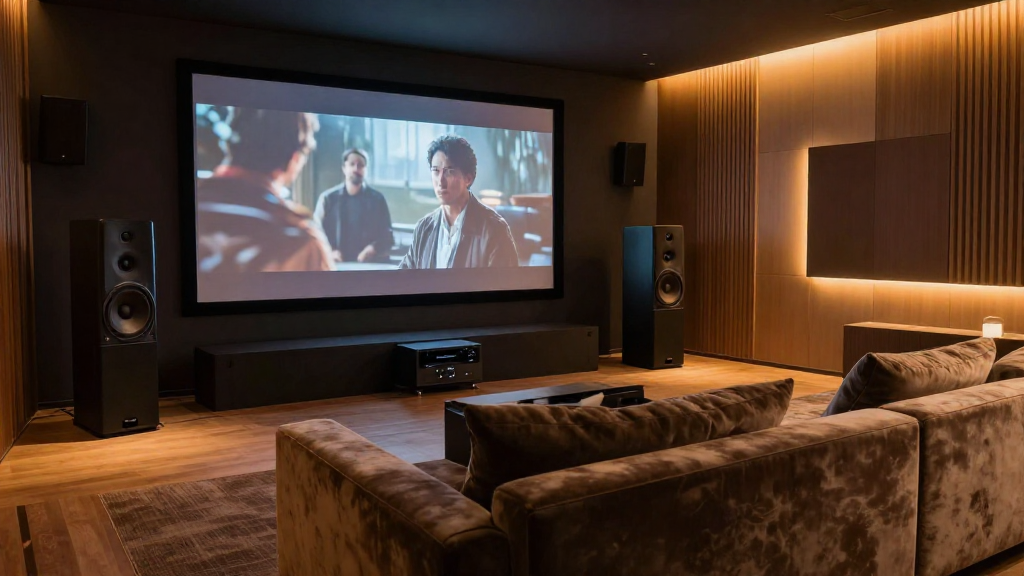
In this article, we will explore the best crossover frequency for home theater systems to help you achieve optimal audio quality.
What is Crossover Frequency?
Crossover frequency is a critical aspect of home theater audio systems. It is the point at which the audio signal is divided between the subwoofer and the main speakers. Understanding this frequency helps ensure that your sound system delivers a balanced audio experience.
How Does Crossover Frequency Work?
The crossover frequency determines which frequencies are sent to your subwoofer and which are directed to your main speakers. Typically, this frequency is measured in hertz (Hz) and can vary based on the type of speaker and the listening environment. Setting the correct crossover frequency can significantly enhance the clarity and impact of sound.
Importance of Crossover Frequency in Home Theater
- Enhanced Sound Quality: Proper crossover settings can eliminate distortion and enhance the overall sound quality.
- Improved Bass Response: A well-chosen crossover frequency allows the subwoofer to handle low frequencies, providing deep and powerful bass.
- Balanced Audio: Achieving the right balance between the subwoofer and main speakers ensures a more immersive listening experience.
What is the Ideal Crossover Frequency?
The ideal crossover frequency for your home theater will depend on various factors, including the type of speakers and the size of your room. However, there are some general guidelines to consider.
Recommended Crossover Frequencies
- For most home theater systems, a crossover frequency between 80 Hz and 120 Hz is often recommended.
- Smaller speakers may perform better with a crossover set closer to 100 Hz.
- Large floor-standing speakers can usually handle a crossover of 60 Hz to 80 Hz.
Factors Influencing Crossover Frequency
Several factors can influence the appropriate crossover frequency for your home theater system:
- Speaker Size: Larger speakers can reproduce lower frequencies better than smaller models.
- Room Acoustics: The configuration and materials of your room can affect sound quality and frequency response.
- Listening Preferences: Personal preferences for bass response can also dictate crossover settings.
How to Set the Crossover Frequency?
Setting the crossover frequency correctly is essential for achieving optimal sound. Here are a few steps to guide you through the process.
Using AV Receivers
Most modern AV receivers have automatic calibration features that can help you set the crossover frequency effectively. Follow these steps:
- Run the automatic calibration process.
- Check the settings recommended by your receiver.
- Make manual adjustments if necessary based on your preferences.
Manual Calibration
If you prefer to set the crossover frequency manually, consider the following tips:
- Start with the manufacturer’s recommendations.
- Test different frequencies while listening to various audio content.
- Adjust until you find a balance that suits your listening environment.
What Are Common Mistakes in Setting Crossover Frequency?
Many people make common mistakes when it comes to setting crossover frequency, which can hinder their home theater experience. Here are some pitfalls to avoid.
Setting the Crossover Too High
One of the most common mistakes is setting the crossover frequency too high. This can cause:
- Overlapping frequencies between the subwoofer and main speakers, leading to muddy sound.
- Loss of detail in the mid-range frequencies.
- Increased distortion and decreased overall sound quality.
Ignoring Room Acoustics
Another mistake is neglecting the impact of room acoustics on sound quality. To avoid this issue:
- Consider the materials and layout of your room.
- Experiment with different crossover settings to find the best sound.
- Utilize acoustic treatments if necessary to enhance sound quality.
Can Crossover Frequency Affect Speaker Performance?
Yes, the crossover frequency can significantly impact speaker performance and overall sound quality. Here’s how:
Impact on Bass Performance
The crossover frequency largely determines how well your subwoofer can perform. If set correctly, the subwoofer can handle low frequencies effectively, resulting in:
- Clearer, deeper bass.
- Less distortion when playing bass-heavy content.
- Improved overall musicality of the audio system.
Effect on Mid and High Frequencies
Setting the crossover frequency appropriately also affects mid and high frequencies. A well-tuned system will ensure that:
- Main speakers handle their designated frequencies without strain.
- Sound clarity is maintained across all frequency ranges.
- Listeners can enjoy a balanced and immersive audio experience.
Conclusion: Finding the Best Crossover Frequency for Your Home Theater
In conclusion, understanding and setting the appropriate crossover frequency is essential for optimizing your home theater audio system. By considering speaker size, room acoustics, and personal preferences, you can create a tailored audio experience that enhances your enjoyment of movies and music alike. The recommended range of 80 Hz to 120 Hz serves as a solid starting point for most systems, but don’t hesitate to experiment to find what works best for you.