
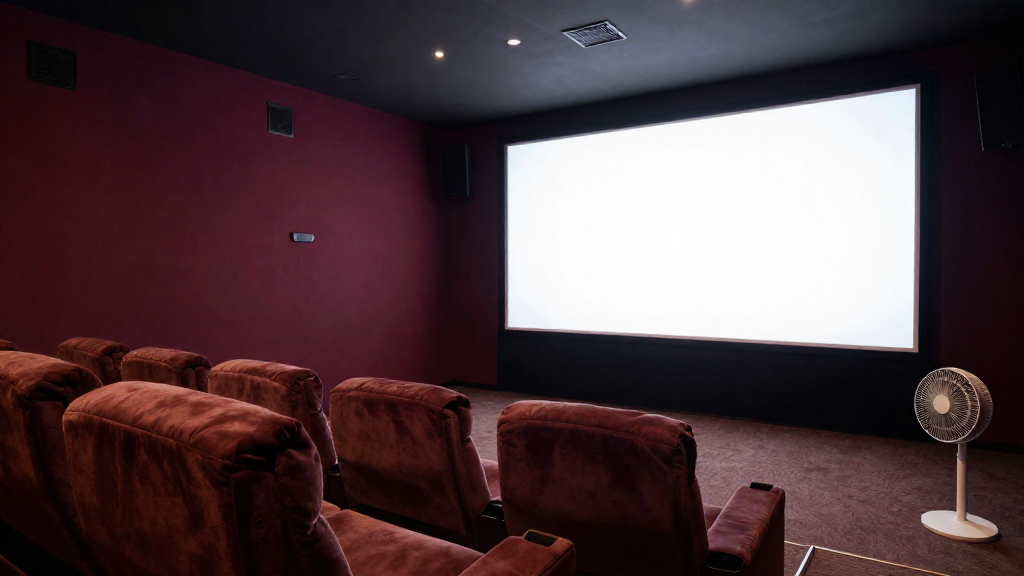
In this article, we will discuss various methods to effectively cool a home theater room, ensuring optimal performance and comfort.
What Are the Common Causes of Heat in a Home Theater?
Understanding the sources of heat in your home theater is essential for implementing effective cooling strategies. Here are some common culprits:
1. Electronic Equipment
Home theaters often feature multiple electronic devices, including TVs, projectors, and audio systems. These devices generate heat during operation, which can raise the room temperature significantly.
2. Lighting
While ambient lighting enhances the viewing experience, certain types of bulbs can produce considerable heat. Traditional incandescent bulbs tend to be the worst offenders.
3. Insulation and Room Size
The insulation quality of your home theater room affects how heat is retained. Smaller rooms can heat up quickly, while poorly insulated spaces can trap warmth, exacerbating the issue.
How Does Home Theater Cooling Work?
Cooling a home theater room involves various techniques that work together to maintain a comfortable temperature. Here’s how you can achieve effective cooling:
1. Air Conditioning Systems
Many homeowners opt for dedicated air conditioning units to cool their home theater rooms. These systems can be tailored to meet the specific needs of the space, providing consistent cooling.
2. Ventilation
Proper ventilation is crucial for maintaining air circulation and preventing heat buildup. Installing vents or using exhaust fans can help remove hot air from the room.
3. Fans and Airflow
Using ceiling fans or strategically placed oscillating fans can significantly improve airflow in your home theater. This helps distribute cooler air evenly throughout the space.
What Are Effective Cooling Techniques for Home Theaters?
Implementing a combination of cooling techniques is often the best approach for a comfortable home theater environment. Consider the following options:
1. Smart Thermostats
Smart thermostats can be programmed to maintain specific temperatures during movie nights or peak usage times. This ensures your home theater remains cool without requiring constant adjustments.
2. Thermal Curtains and Shades
Installing thermal curtains can help block out sunlight and reduce heat. These window treatments are designed to insulate against outside temperatures, keeping your home theater cooler.
3. Positioning of Equipment
Strategically placing electronic equipment can also improve cooling. For example, keeping devices in enclosed cabinets with proper ventilation can minimize excess heat in the room.
How Can You Optimize Your Home Theater for Cooling?
Optimizing your home theater for cooling involves more than just adding air conditioning. Here are some effective strategies:
1. Choose Energy-Efficient Equipment
Selecting energy-efficient devices can significantly reduce heat output. Look for electronics with Energy Star ratings or low power consumption specifications.
2. Regular Maintenance
Regular maintenance of your cooling systems is essential. Clean air filters, check ductwork, and ensure all fans are in working order to maximize efficiency.
3. Layout and Design Considerations
When designing your home theater, consider the layout carefully. An open layout can enhance airflow, while furniture placement should allow for unobstructed air movement.
What Are the Benefits of Proper Home Theater Cooling?
Maintaining a cool home theater room offers significant benefits that enhance the overall experience. Here are some key advantages:
1. Improved Equipment Longevity
Excessive heat can damage electronic devices, leading to costly repairs or replacements. Keeping the room cool extends the lifespan of your equipment.
2. Enhanced Comfort
A comfortable viewing environment is essential for an enjoyable movie experience. Proper cooling ensures that you and your guests can relax without feeling overheated.
3. Better Audio and Visual Performance
Overheating can affect the performance of audio and video equipment. By cooling your home theater, you can ensure optimal performance and an immersive experience.
What Are Some Common Mistakes to Avoid in Home Theater Cooling?
While it’s important to implement cooling strategies, certain mistakes can hinder effectiveness. Avoid the following pitfalls:
1. Ignoring Maintenance
Neglecting regular maintenance of HVAC systems can lead to inefficiency. Ensure you perform routine checks to keep your cooling systems functioning optimally.
2. Overcrowding the Room
Too much furniture or equipment can block airflow, leading to increased heat. Be mindful of the space and ensure there’s adequate room for air circulation.
3. Skipping Insulation Improvements
If your home theater is poorly insulated, all cooling efforts may be in vain. Invest in proper insulation to keep the cool air in and the heat out.
In conclusion, effective home theater cooling is essential for maintaining an enjoyable viewing experience. By understanding the causes of heat, implementing cooling techniques, and avoiding common mistakes, you can create the perfect environment for movie nights.