
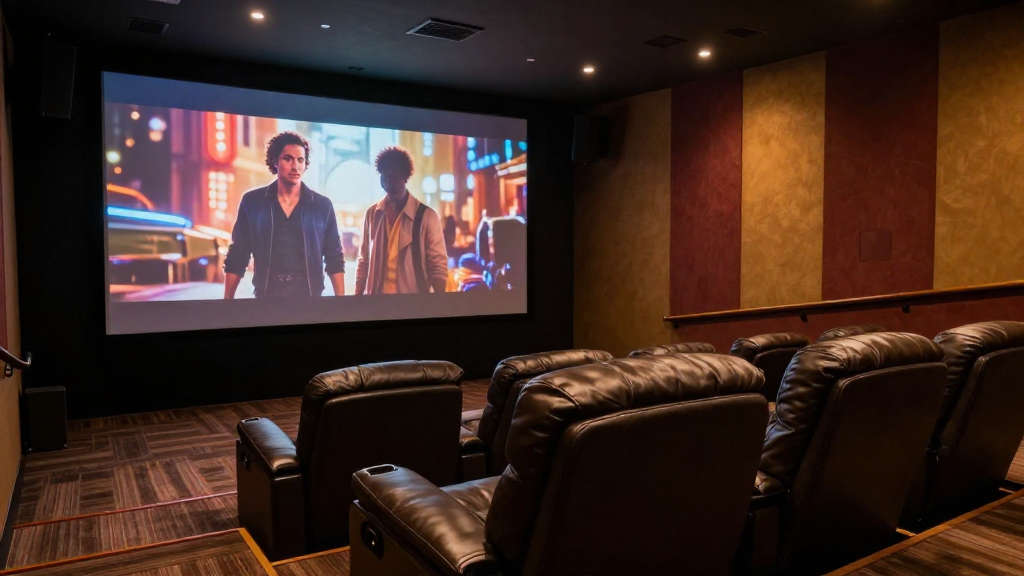
In this article, we will delve into how compression affects home theater quality, providing insights into the nuances of audio and video compression in home theater systems.
What is Compression in Home Theater?
Compression in home theater refers to the process of reducing the file size of audio and video data. This is typically achieved through various algorithms that minimize redundancy while maintaining quality. Understanding this concept is crucial for optimizing your home theater experience.
Types of Compression
- Lossy Compression: This type reduces file size by permanently eliminating certain data, which can affect quality.
- Lossless Compression: Unlike lossy, this method preserves all original data, allowing for higher quality but larger file sizes.
- Video Compression: Techniques like H.264 or HEVC are commonly used to compress video files while maintaining visual fidelity.
Why Use Compression?
Compression is essential in home theater systems as it allows for efficient storage and streaming of high-quality media. By reducing file sizes, users can save space on devices and improve streaming performance. However, it’s vital to choose the right type of compression to balance quality and storage needs.
How Does Compression Affect Audio Quality?
The quality of audio in home theaters can be significantly influenced by the type of compression used. Compression can alter how sound is perceived, leading to a potential loss in fidelity. Understanding the effects of compression on audio is crucial for sound enthusiasts.
Impact of Lossy Compression
- Lossy compression can lead to noticeable audio artifacts, such as distortion or muffled sounds.
- Some frequencies may be removed entirely, impacting the overall listening experience.
- Common lossy formats include MP3 and AAC, which are popular for streaming services.
Benefits of Lossless Compression
Choosing lossless compression formats like FLAC or ALAC can preserve the integrity of the original audio. This ensures that listeners experience the full depth and detail of the sound. For audiophiles, lossless formats are often the preferred choice for home theaters.
What About Video Quality and Compression?
Video quality is another critical aspect of home theater experiences that can be affected by compression. Different compression methods can lead to varying results in visual clarity and detail. Understanding these effects helps ensure optimal viewing experiences.
Effects of Video Compression
- High compression can result in pixelation or blurriness, especially in fast-moving scenes.
- Artifacts such as banding or blocking may appear, detracting from the overall visual experience.
- Choosing formats like HEVC can help maintain quality while reducing file sizes.
Balancing Compression and Quality
Finding the right balance between compression and quality is vital. While high compression can save space, it can also compromise the viewing experience. It is essential to consider your specific needs and preferences when selecting compression settings for video files.
How Can You Optimize Your Home Theater Compression?
Optimizing compression in your home theater system involves understanding your equipment and choosing the right formats. By selecting appropriate settings, you can enhance both audio and video quality. Here are some tips to help you achieve the best results.
Choose the Right Formats
- For audio, consider using lossless formats like FLAC for the best quality.
- For video, H.264 is widely compatible, while HEVC offers better compression without a noticeable loss in quality.
- Check your devices’ compatibility with different formats to ensure smooth playback.
Adjust Compression Settings
Many media players and streaming services allow you to adjust compression settings. Setting a higher bitrate can improve quality but may require more storage space. Experimenting with these settings can help you find the optimal balance for your home theater.
What Are the Common Mistakes to Avoid?
When managing compression in your home theater, it’s easy to make mistakes that can affect quality. Being aware of these common pitfalls can help you improve your setup and avoid frustration.
Overcompressing Audio and Video
- Overcompressing can lead to significant quality loss, resulting in an unsatisfactory viewing or listening experience.
- It’s essential to understand the limitations of lossy compression formats and use them judiciously.
- Always prioritize quality over file size when it comes to critical audio and video components.
Ignoring Compatibility Issues
Not all devices support every compression format. Ignoring compatibility can lead to playback issues or quality degradation. Always check your equipment specifications before choosing compression settings.
Conclusion: Mastering Home Theater Compression
Understanding how compression affects home theater quality is crucial for optimizing your audio and video experience. By carefully selecting compression formats, adjusting settings, and avoiding common mistakes, you can achieve a high-quality home theater setup. Remember, the right balance between compression and quality will enhance your overall enjoyment of movies, music, and more.