
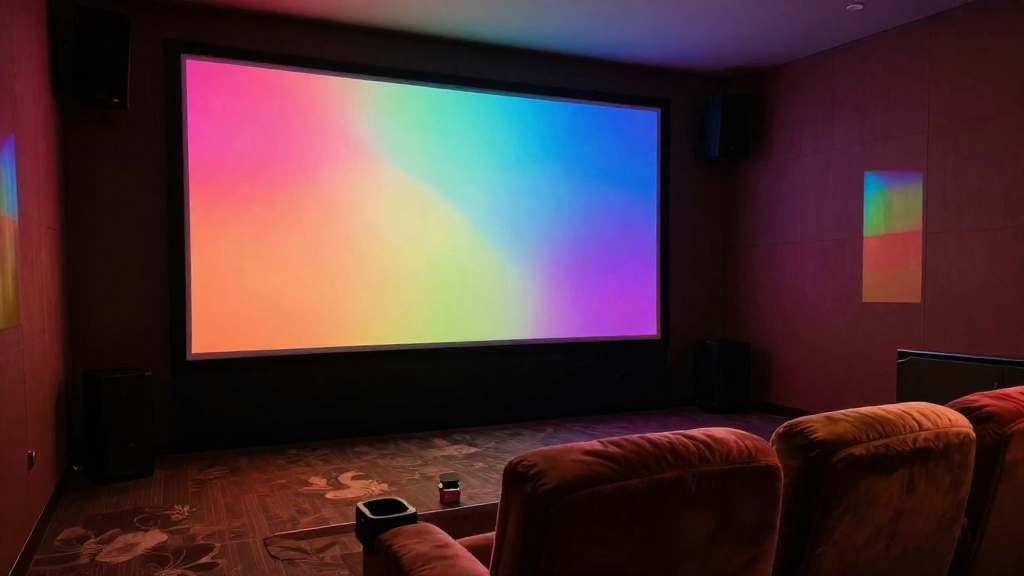
In this article, we will explore the importance of home theater color accuracy explained and how it enhances the overall viewing experience.
What Is Color Accuracy?
Color accuracy refers to how closely the colors displayed on a screen match the colors as they appear in real life. In a home theater setup, achieving high color accuracy is crucial for creating a lifelike viewing experience. This means that accurate colors allow viewers to perceive films and shows as the creators intended.
Understanding Color Spaces
Color spaces define the range of colors that can be represented. Common color spaces include sRGB, Adobe RGB, and DCI-P3. Each color space has its own unique properties, and understanding these can help in choosing the right display for your home theater.
Factors Influencing Color Accuracy
Several factors affect color accuracy, including the type of display technology (LCD, OLED, etc.), calibration settings, and environmental lighting conditions. **Calibration** plays a significant role in ensuring that the colors you see on screen are as true to life as possible.
Why Does Color Accuracy Matter?
Color accuracy is important because it enhances the realism of the content you are watching. When colors are accurate, they evoke the emotional responses intended by filmmakers. This can create a more immersive experience, making viewers feel like they are part of the story.
How Does Color Accuracy Impact Viewing Experience?
The way colors are rendered on your home theater screen can significantly impact how you perceive films and shows. High color accuracy can transform your viewing experience into something extraordinary.
Enhancing Realism
When color accuracy is achieved, the images produced on the screen resemble real life more closely. This realism can make scenes more engaging and believable. As a result, viewers can become more emotionally involved in the narrative.
Impact on Different Genres
Different film genres can benefit from color accuracy in unique ways. For instance, animated films often rely on vibrant colors to convey emotions, while documentaries may use more subdued tones. Accurate color representation can enhance the storytelling aspect of any genre.
Comparing Color Accuracy in Displays
Different display technologies offer varying levels of color accuracy. For example, OLED screens typically provide better color accuracy than standard LED screens. When choosing a display for your home theater, consider how color accuracy will affect your viewing experience.
What Are the Common Challenges in Achieving Color Accuracy?
While striving for perfect color accuracy, several challenges can arise. Being aware of these challenges can help you address them effectively and improve your viewing experience.
Ambient Light Interference
Ambient light can drastically impact how colors are perceived on-screen. Bright rooms can wash out colors, making them appear less vibrant and accurate. Using blackout curtains or investing in an ambient light rejecting screen can help mitigate this issue.
Display Calibration
Calibration is essential for achieving accurate colors. Many displays come with out-of-the-box settings that are not optimized for color accuracy. Investing in professional calibration can ensure that your display is tuned to its best performance.
Wear and Tear of Displays
Over time, displays can experience wear and tear, which can affect color accuracy. Factors such as brightness degradation and color shift can occur. Regular maintenance and calibration can help maintain color accuracy over the lifespan of the display.
How Can You Improve Color Accuracy in Your Home Theater?
Improving color accuracy is achievable with the right steps. By making a few adjustments, you can enhance your home theater experience dramatically.
Choose the Right Display
Selecting a display with high color accuracy specifications is the first step. Look for displays that cover a wide color gamut and have high contrast ratios. Researching different brands and models can help you find the best option for your needs.
Professional Calibration
Hiring a professional to calibrate your display can make a significant difference. Professionals use specialized tools to adjust color settings, ensuring that the display performs at its best. This investment can enhance your viewing experience for years to come.
Adjusting Settings
Many displays offer settings for adjusting color temperature, saturation, and brightness. Familiarize yourself with these settings and experiment to find the optimal configuration for your environment. Sometimes, even minor adjustments can lead to better color accuracy.
What Are the Benefits of High Color Accuracy?
The benefits of high color accuracy are numerous, enhancing both the aesthetic and emotional aspects of your viewing experience. Understanding these benefits can motivate you to prioritize color accuracy in your home theater setup.
Immersive Storytelling
High color accuracy helps convey emotions effectively, making the storytelling more immersive. Accurate colors can engage viewers on a deeper level, allowing them to connect with the characters and plot.
Enhanced Visual Appeal
When colors are accurate, they contribute to a visually stunning experience. Vibrant and true-to-life colors bring movies and shows to life, highlighting details that you may otherwise miss. This visual appeal can be a significant factor in your enjoyment of the content.
Better Viewer Satisfaction
Ultimately, viewers are more satisfied when their home theater produces accurate colors. This satisfaction can lead to increased usage of the home theater system, making it a central part of your entertainment experience.