
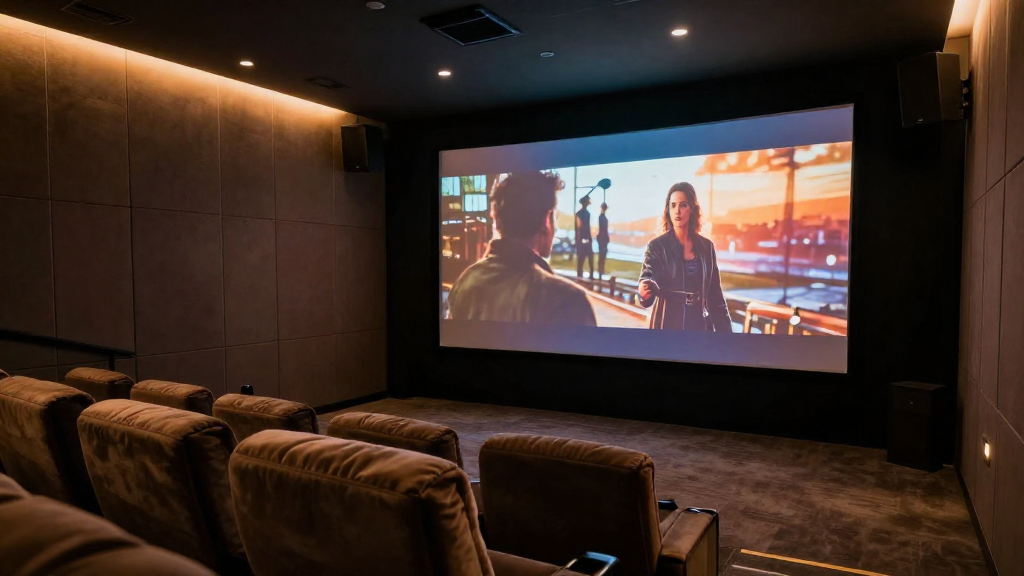
This article delves into the concept of home theater brightness explained, helping you understand how to achieve the perfect viewing experience.
What is Home Theater Brightness?
Home theater brightness refers to the level of light output from a projector or screen in a home cinema setup. This aspect is crucial because it directly impacts the quality of the viewing experience. Understanding home theater brightness is essential for achieving optimal picture quality.
Why Brightness Matters
Brightness is key in determining how well images and videos appear in a home theater. Without adequate brightness, colors may look washed out, and details can be lost in darker scenes. A well-calibrated brightness level ensures that every detail is visible, creating an immersive experience.
Measuring Brightness
Brightness is typically measured in lumens. A higher lumen count indicates a brighter image, which can be crucial for different viewing environments. It’s important to choose a projector or display with an appropriate lumen rating based on your room’s lighting conditions.
How Bright Should a Home Theater Be?
Determining the ideal brightness for your home theater depends on several factors, including the size of the screen, the ambient light in the room, and personal preferences. It’s vital to find a balance that caters to cinematic experiences without compromising image quality.
Screen Size Considerations
The size of your screen significantly influences brightness requirements. Larger screens typically require higher brightness levels to maintain picture quality across the entire surface. For instance, a 100-inch screen may need 2000 to 3000 lumens for optimal viewing.
Ambient Light Impact
Ambient light is another critical factor to consider. Rooms with significant natural light may require brighter projectors to compete with this light. In contrast, darker rooms can function well with lower brightness levels, enhancing the viewing experience.
Personal Preference
Your personal viewing preference also plays a role in determining brightness. Some viewers may prefer a brighter image for vibrant colors, while others might opt for a darker setting to enjoy deeper blacks. Experimenting with brightness settings can help you find the perfect balance for your tastes.
What Affects Home Theater Brightness?
Several elements can affect the brightness levels in your home theater, including the type of projector, screen material, and installation angle. Understanding these factors can help you optimize your setup for the best viewing experience.
Projector Type
The type of projector you choose can greatly affect brightness. DLP projectors generally produce brighter images than LCD models. Additionally, laser projectors often offer superior brightness levels, making them ideal for large home theaters.
Screen Material
The material of your projector screen can also impact perceived brightness. High-gain screens reflect more light, making images appear brighter. Conversely, matte screens can absorb more light, which may require a brighter projector to achieve the same effect.
Installation Angle
How you install your projector can influence brightness as well. A projector placed at an optimal angle will produce a clearer image with better brightness. Conversely, if the projector is misaligned, it may cause image distortion and affect overall brightness.
How to Optimize Home Theater Brightness?
Optimizing brightness in your home theater involves a combination of equipment choices and environmental adjustments. By carefully considering these factors, you can enhance your cinematic experience.
Calibrate Your Projector
Proper calibration of your projector is essential for achieving the best brightness levels. Most projectors come with settings that can be adjusted to suit your environment. Regularly recalibrating after changes in ambient light can help maintain optimal brightness.
Control Ambient Light
Controlling ambient light in your home theater can significantly improve brightness. Use blackout curtains or shades to block out external light sources. Additionally, consider painting the walls a darker color to minimize light reflection.
Choose the Right Screen
Your choice of screen can also affect brightness. Opt for a screen that complements your projector’s specifications and your room’s lighting conditions. A high-gain screen can enhance brightness in well-lit rooms, while a matte screen may be suitable for darker environments.
What are the Common Misconceptions About Home Theater Brightness?
There are several misconceptions about home theater brightness that can lead to poor viewing experiences. Understanding these myths can help you make better choices for your setup.
Myth: Brighter is Always Better
One common misconception is that a brighter image is always preferable. While brightness is essential, overly bright images can result in eye strain and washed-out colors. Finding a balance that works for your specific environment is crucial.
Myth: All Projectors Offer the Same Brightness
Another myth is that all projectors provide the same brightness levels. In reality, projectors vary significantly in their lumen output. Researching and comparing different models can help you find one that meets your brightness needs.
Myth: Brightness is Only Affected by the Projector
Many believe that only the projector affects brightness, but other factors like screen material and room lighting play a significant role. A comprehensive approach that considers all elements will yield the best results.
Conclusion: Finding Your Ideal Home Theater Brightness
In conclusion, achieving the right home theater brightness involves understanding various factors, including screen size, ambient light, and personal preferences. By considering these elements and optimizing your setup, you can create an immersive viewing experience. Remember, home theater brightness explained is not just about how bright the image is; it’s about striking the perfect balance for your unique environment.