
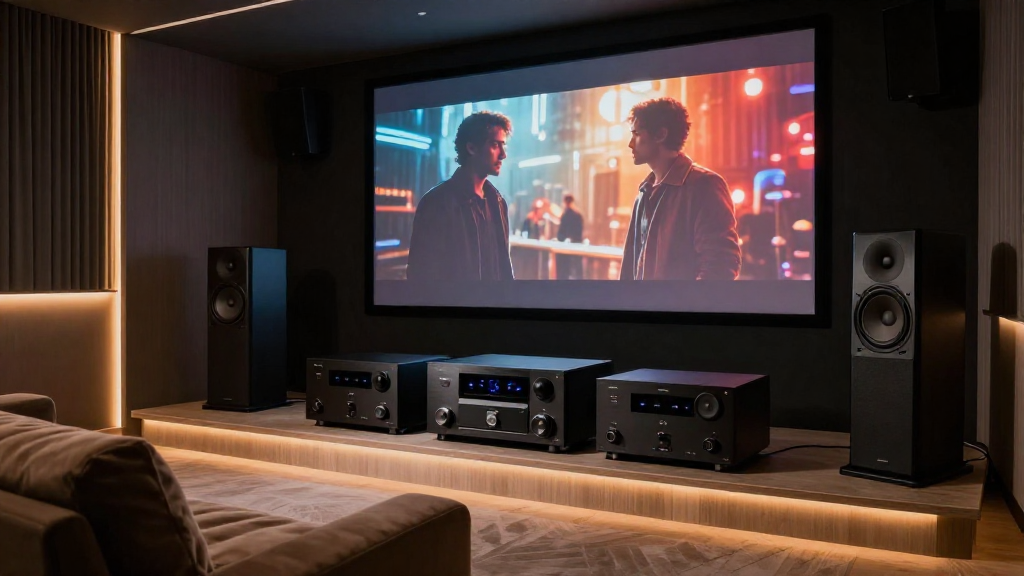
This article explores the concept of home theater bitstream explained, focusing on what it is and how it impacts audio quality.
What is Bitstream Audio?
Bitstream audio refers to the method of transmitting audio data in its original, unprocessed format from a source device to a receiver. This method preserves the audio signal’s integrity, allowing for high-quality sound reproduction.
How Does Bitstream Work?
Bitstream audio works by sending compressed audio formats, such as Dolby Digital or DTS, directly to an audio receiver. The receiver then decodes these formats, transforming them into sound. This method is essential for maintaining the quality of surround sound systems.
What Formats Support Bitstream?
- Dolby Digital
- DTS (Digital Theater Systems)
- Dolby TrueHD
- DTS-HD Master Audio
These formats are commonly used in home theater systems and support high-definition audio, making them perfect for movie enthusiasts.
Why Choose Bitstream Over PCM?
Choosing bitstream over Pulse Code Modulation (PCM) often results in superior audio performance. Bitstream allows for higher fidelity sound, especially in complex audio tracks used in films and video games.
What Are the Advantages of Using Bitstream?
The advantages of using bitstream audio are numerous, particularly for home theater enthusiasts who seek the best auditory experience. Understanding these benefits can help you make an informed decision about your setup.
Enhanced Sound Quality
One of the primary advantages of bitstream audio is its ability to deliver enhanced sound quality. Since the audio remains in its original format, there is minimal loss in quality during transmission. This results in clearer, more immersive sound.
Supports Advanced Audio Formats
Bitstream audio supports advanced formats such as Dolby Atmos and DTS:X, which provide a three-dimensional sound experience. This feature is critical for modern home theater systems that aim to replicate a cinematic experience.
More Control Over Decoding
Using bitstream allows the receiver to handle the decoding process. This gives you more control over settings and adjustments, which can enhance your overall audio experience. For audiophiles, this flexibility is key.
How to Set Up Bitstream in Your Home Theater?
Setting up bitstream audio in your home theater requires some specific configurations. Here’s a simplified guide to help you get started.
Check Your Equipment Compatibility
First, ensure that your source device (like a Blu-ray player or streaming device) and your audio receiver support bitstream audio. Most modern equipment does, but it’s always good to double-check.
Adjust Audio Settings
Access the audio settings menu on your source device. Look for options labeled ‘Bitstream’, ‘Audio Output’, or ‘Surround Sound’. Make sure to select the bitstream output option for the audio format you are using.
Connect Using the Right Cables
For optimal performance, use high-quality HDMI cables. These cables support high-definition audio formats and are essential for transmitting bitstream audio effectively. Ensure all connections are secure for the best sound quality.
What Are Common Issues with Bitstream Audio?
Incompatibility Issues
Sometimes, devices may not communicate properly, leading to audio dropouts or failure to decode. Ensure all devices are updated and compatible with the desired audio formats.
Audio Lag or Delay
Audio lag can occur when there is a mismatch between the video and audio processing times. To resolve this, check your receiver’s settings for any audio delay adjustments available. This can help sync the audio with the video.
Limited Format Support
Some older receivers may not support newer audio formats. If you’re utilizing a modern streaming device, ensure your receiver can decode the format sent via bitstream. If not, consider upgrading your receiver for a better experience.
How to Troubleshoot Bitstream Audio Issues?
If you encounter problems with bitstream audio, there are several troubleshooting steps you can take. These methods can help restore optimal audio performance.
Check Connections
Always start by checking the physical connections between your devices. Loose or damaged cables can lead to poor audio quality or complete signal loss. Ensure that all connections are tight and secure.
Update Firmware
Updating the firmware on your audio receiver and source device can solve compatibility issues. Manufacturers often release updates that improve performance and add support for new audio formats.
Reset Devices
If problems persist, consider resetting your audio receiver and source device. This can clear any temporary settings or glitches that may be affecting audio playback. Make sure to reconfigure settings post-reset.
Conclusion: Is Bitstream Right for Your Home Theater?
In conclusion, understanding home theater bitstream explained is crucial for anyone looking to enhance their audio experience. Bitstream audio provides superior sound quality and supports advanced formats, making it an excellent choice for home theaters. By following the setup and troubleshooting tips outlined in this article, you can enjoy a richer, more immersive audio experience in your home theater. Whether you’re a casual viewer or a hardcore audiophile, utilizing bitstream audio can significantly elevate your entertainment experience.