
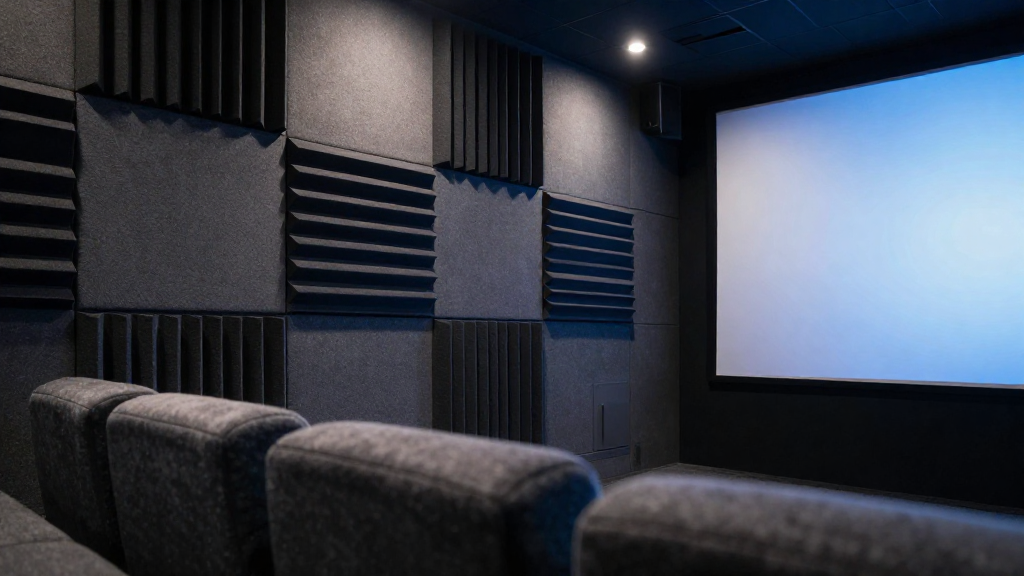
In this article, we will delve into the concept of home theater bass traps explained, offering insights into their purpose, types, and installation methods.
What Is a Bass Trap?
A bass trap is an acoustic treatment designed to absorb low-frequency sound waves in a room. These sound waves can cause unwanted echoes and muddiness in audio playback, particularly in a home theater setup. By effectively managing these frequencies, bass traps enhance the overall sound quality.
Why Are Bass Traps Important?
Bass traps play a crucial role in creating a balanced sound environment. Without them, low frequencies can overwhelm the other sound elements, resulting in poor audio clarity. Here are some key reasons why bass traps are essential:
- Improved Sound Clarity: They help reduce muddiness, making dialogue and music more discernible.
- Balanced Frequency Response: Bass traps help control the bass response in a room, ensuring that sound is even across all frequencies.
- Enhanced Listening Experience: With better acoustics, the overall experience of watching movies or listening to music is significantly improved.
Where Should You Place Bass Traps?
Placement is key to maximizing the effectiveness of bass traps. Common areas to consider include:
- Corner Placement: Bass waves tend to accumulate in corners, making this an ideal location for traps.
- Wall Junctions: Areas where two walls meet can also benefit from bass traps.
- Behind Speakers: Installing traps behind speakers can help absorb excess bass that may interfere with sound quality.
How Do Bass Traps Work?
Understanding the mechanics of how bass traps work is essential for optimizing their use in home theaters. Bass traps function by utilizing the principles of sound absorption and diffusion. Here’s how they operate:
Absorption of Low Frequencies
Bass traps are specifically designed to absorb low-frequency sound waves, which are typically difficult to manage. Different materials and designs can affect the degree of absorption:
- Foam Bass Traps: These are lightweight and easy to install, ideal for DIY projects.
- Fiberglass Bass Traps: These offer superior absorption and are often used in professional installations.
- Wooden Bass Traps: They can also be effective, particularly when designed with resonators.
Phase Cancellation
Bass traps also help mitigate phase cancellation, a phenomenon where sound waves interfere with each other. This can lead to dips in sound levels and an uneven listening experience. By absorbing specific frequencies, bass traps can help reduce these issues.
What Types of Bass Traps Are Available?
When considering home theater bass traps explained, it’s crucial to understand the types available. Each type has its advantages and applications:
Corner Bass Traps
Corner bass traps are designed to fit snugly into the corners of a room. They are particularly effective due to the accumulation of bass waves in these areas. These traps can be made from various materials and come in different shapes to fit the space.
Wall-Mounted Bass Traps
These are installed directly onto walls and can be either fixed or removable. Wall-mounted traps are useful for addressing specific areas of sound interference without taking up much space.
Free-Standing Bass Traps
Free-standing bass traps offer flexibility as they can be moved around the room. They are often used in temporary setups or when testing different configurations. These traps can be designed to blend with room decor, making them visually appealing.
How to Install Bass Traps?
Installing bass traps in your home theater can be a straightforward process if done correctly. Here’s a step-by-step guide:
Step 1: Assess Your Room
Before installation, assess your room’s acoustics. Use a sound measurement app to identify problematic areas where bass frequencies are most pronounced. This will help you determine the best locations for your traps.
Step 2: Choose the Right Type
Select the type of bass trap that best suits your room layout and aesthetic. Consider factors such as space, design, and budget. Make sure to choose traps that effectively target the frequencies you need to manage.
Step 3: Properly Mount or Position
Depending on the type of bass trap you choose, follow the manufacturer’s instructions for mounting or positioning. Ensure that they are securely installed, especially if they are heavy or bulky. Avoid placing them in areas where they could be knocked over or obstructed.
What Are the Common Myths About Bass Traps?
There are several misconceptions about bass traps that can lead to confusion. Here are some common myths and the truths behind them:
Myth 1: Bass Traps Are Only for Professionals
Many believe that bass traps are only necessary for professional studios. In reality, anyone seeking to improve their audio experience can benefit from installing bass traps in their home theater.
Myth 2: More Bass Traps Equals Better Sound
While bass traps are essential, overloading a room with them can lead to an unbalanced sound. Proper placement and quantity are key to achieving optimal acoustics.
Myth 3: You Don’t Need Bass Traps in Small Rooms
Small rooms can actually suffer from bass issues just as much as larger ones. Even in smaller spaces, bass traps can help create a more enjoyable listening environment.
How Do You Know If You Need Bass Traps?
Identifying the need for bass traps comes down to assessing your listening experience. Here are some signs that you might benefit from installing bass traps:
Unclear Dialogue
If you find that dialogue in movies or shows is difficult to understand, it may be due to excessive bass masking other frequencies. This is a strong indicator that bass traps could improve your audio clarity.
Uneven Sound Levels
When certain frequencies seem overly pronounced while others are barely audible, it may indicate that bass traps are needed to balance the sound profile.
Excessive Echo or Muddiness
Excessive echo or a ‘muddy’ sound can detract from your home theater experience. Installing bass traps can help mitigate these issues, resulting in a more pleasant auditory experience.
Conclusion
In summary, understanding home theater bass traps explained is essential for anyone looking to enhance their audio environment. From recognizing their importance and types to proper installation and addressing common myths, bass traps can significantly improve your home theater experience. If you’re experiencing issues with sound clarity, uneven levels, or excessive echo, consider investing in bass traps to achieve a more balanced and enjoyable sound.