
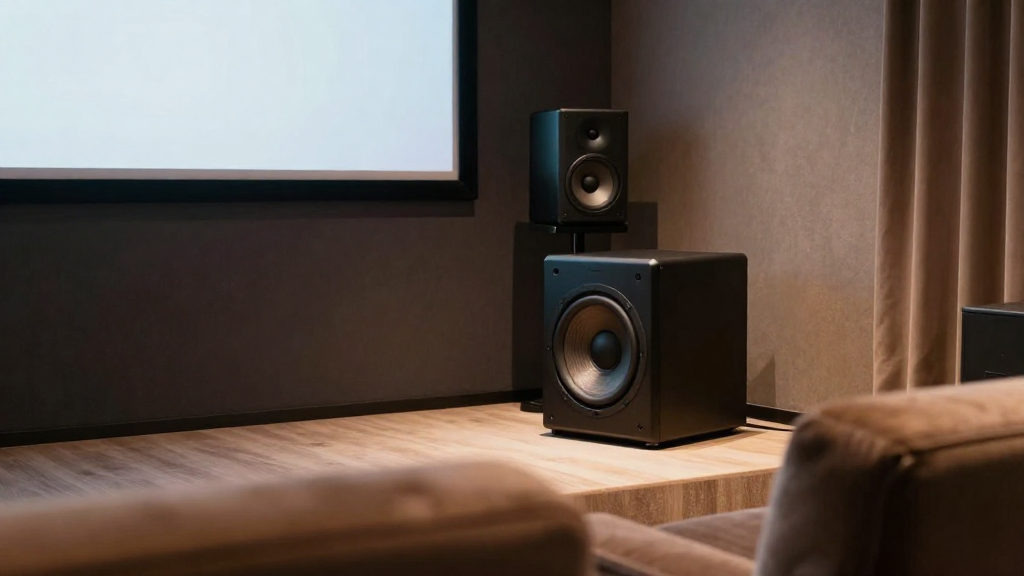
In this article, we will delve into the concept of home theater bass management explained, highlighting its significance in enhancing audio quality.
What is Bass Management?
Bass management refers to the process of optimizing low-frequency audio reproduction in a home theater system. This ensures that all speakers, including subwoofers, are working together efficiently to produce balanced sound. Understanding bass management is crucial for achieving an immersive audio experience.
How Does Bass Management Work?
Bass management operates by redirecting low frequencies from non-subwoofer speakers to a subwoofer. This is done through a receiver’s settings, allowing users to define which speakers handle bass frequencies. Consequently, this setup ensures that all speakers are utilized effectively, enhancing the overall audio quality.
Why Is Bass Management Important?
The importance of bass management lies in its ability to provide clearer and more impactful sound. By directing bass to a dedicated subwoofer, users experience deep, rich low frequencies without distortion. This not only improves the listening experience but also helps to avoid overwhelming other speakers.
How to Set Up Bass Management?
Setting up bass management in a home theater can be straightforward when you follow a few key steps. Proper configuration can significantly enhance the performance of your audio system.
Choose the Right Equipment
To achieve optimal bass management, select a quality AV receiver that supports bass management features. Look for receivers with built-in calibration tools that adjust speaker settings automatically. Additionally, a reliable subwoofer is essential for effective bass reproduction.
Configure Your Receiver Settings
Once you have the right equipment, access the receiver’s setup menu. Here, you can designate which speakers will handle low frequencies. Typically, you’ll set smaller speakers to “small” and the subwoofer to “on” to ensure proper bass management.
Test and Adjust
After configuration, it’s vital to test your audio settings. Play a variety of content to evaluate how well the bass is managed. Make adjustments as needed to ensure a balanced sound across all frequencies.
What Are the Benefits of Proper Bass Management?
Implementing effective bass management offers several benefits that enhance the overall listening experience. These advantages can significantly impact how sound is perceived in a home theater environment.
Enhanced Sound Clarity
One of the primary benefits of bass management is improved sound clarity. By allowing the subwoofer to handle low frequencies, other speakers can focus on mid and high ranges without distortion. This results in clearer dialogue and more defined musical notes.
Improved Dynamic Range
Proper bass management enhances the dynamic range of audio playback. This means users can enjoy a broader spectrum of sound, from subtle whispers to booming explosions, without losing detail. An enhanced dynamic range creates a more engaging and immersive experience.
Reduced Speaker Strain
When bass frequencies are properly managed, smaller speakers are not forced to reproduce low bass, which can cause strain. This reduces the risk of damage to the speakers and extends their lifespan, ensuring that your home theater system remains in top condition.
What Are Common Bass Management Settings?
Crossovers
The crossover frequency is a critical setting in bass management. It determines the frequency at which bass is redirected from speakers to the subwoofer. A common crossover setting is between 80Hz to 120Hz, allowing for seamless blending of frequencies.
Phase Settings
Phase settings control the timing of sound waves from the subwoofer in relation to other speakers. Adjusting the phase can help minimize any potential delays in the sound, resulting in a more cohesive auditory experience. Experimenting with phase settings can lead to noticeable improvements in bass response.
Distance Settings
Most receivers allow you to set the distance of each speaker from the listening position. This is important for timing the sound waves correctly. Accurate distance settings ensure that sound from all speakers arrives at the listener’s ears simultaneously, enhancing the overall soundstage.
Can Bass Management Improve Your Home Theater Experience?
Absolutely! Proper bass management can dramatically improve your home theater experience. By optimizing low-frequency sound, users can enjoy a more immersive and enjoyable audio environment.
Realistic Soundscapes
With effective bass management, soundscapes become more realistic and engaging. Whether you’re watching a movie or listening to music, well-managed bass creates a sense of presence that draws listeners into the experience. This realism can transform mundane viewing into captivating storytelling.
Versatile Listening Options
Proper bass management allows for versatile listening options across different genres of content. Action movies benefit from powerful explosions, while music can be enjoyed with rich, deep bass. This versatility means that your home theater can cater to all tastes and preferences.
Increased Home Theater Value
Finally, an optimized audio system with effective bass management can increase the value of your home theater setup. Potential buyers or guests will appreciate a well-tuned sound system, making your home theater not just a personal enjoyment but also an attractive feature.
Conclusion: Embrace Effective Bass Management
In conclusion, understanding home theater bass management explained is essential for creating an exceptional audio experience. By focusing on key aspects such as setup, benefits, and common settings, you can enhance your home theater’s performance. Embrace effective bass management and enjoy a richer, more immersive sound experience in your home theater.