
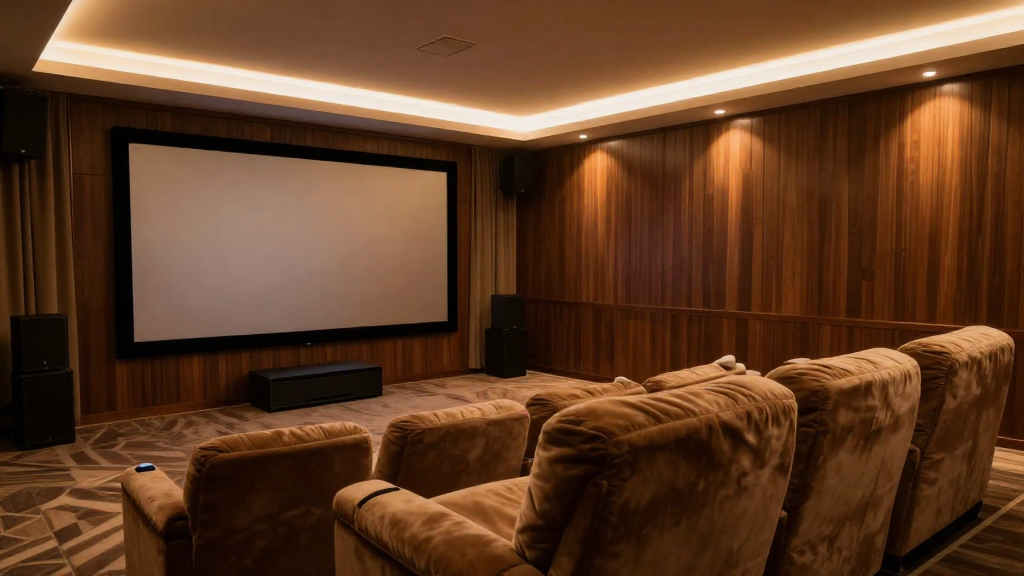
This article will delve into the home theater basics to help you understand how to create an immersive cinematic experience at home.
What Are the Key Components of a Home Theater System?
Understanding the key components is essential when learning about home theater basics. These components work together to create the ultimate viewing experience.
1. Display Device
The display device is the centerpiece of any home theater system. You can choose between a traditional television or a projector to display your content. A high-definition TV or a 4K projector will provide the best picture quality.
2. Audio System
The audio system is just as crucial as the display. A surround sound system, whether it’s a soundbar or a multi-speaker setup, will enhance the auditory experience. Consider investing in a system that supports Dolby Atmos for a more immersive sound.
3. Source Devices
Source devices are what deliver content to your home theater. This includes Blu-ray players, streaming devices, and gaming consoles. Make sure your source devices are compatible with your display device for optimal performance.
How Do You Set Up a Home Theater System?
Setting up your home theater system correctly is vital to enjoy the full benefits of home theater basics. Here are the steps to achieve a great setup.
1. Room Selection
Selecting the right room is the first step in setting up your home theater. Look for a space that can be darkened and has minimal outside noise. Ideally, a rectangular room will provide better acoustics.
2. Equipment Placement
Proper placement of your equipment is essential for optimal viewing and listening. The screen should be at eye level when seated, while speakers should be positioned to create a surround sound environment. Consider the distance between your seating and the screen for the best experience.
3. Cable Management
Good cable management keeps your setup tidy and functional. Use cable ties or sleeves to organize wires and avoid clutter. This not only improves aesthetics but also minimizes potential hazards.
What Are the Essential Tips for Home Theater Basics?
1. Calibration
Calibrating your audio and video settings is crucial. Use calibration tools or hire a professional to ensure your system is optimized. Proper calibration can significantly improve picture quality and sound clarity.
2. Room Acoustics
The acoustics of your room can greatly affect your audio experience. Use acoustic panels or rugs to reduce sound reflections and improve clarity. Soft furnishings can also help absorb sound, enhancing your listening experience.
3. Lighting Control
Controlling the lighting in your home theater can make a huge difference. Use blackout curtains or dimmable lights to create the perfect ambiance. Consider adding LED strip lights for a modern touch and enhanced aesthetics.
How to Choose the Right Home Theater Equipment?
Choosing the right equipment is a critical aspect of understanding home theater basics. Here are some factors to consider when making your selections.
1. Budget
Your budget will dictate what equipment you can purchase. Determine how much you are willing to invest in your home theater system. Remember that while it’s tempting to go for high-end products, there are quality options available at various price points.
2. Brand and Quality
Consider reputable brands known for their quality. Research customer reviews and expert opinions before making a purchase. Investing in high-quality equipment will provide a better experience and longer lifespan.
3. Compatibility
Ensure all components are compatible with each other. For example, your audio system should support the same formats as your source devices. Check specifications to avoid any issues during setup.
What Are Common Mistakes to Avoid in Home Theater Basics?
Being aware of common mistakes can help you avoid pitfalls when setting up your home theater. Here are some mistakes to watch out for.
1. Ignoring Room Layout
Ignoring the layout of your room can lead to a poor viewing experience. Make sure to consider seating arrangements and speaker placement before finalizing your setup. A well-planned layout enhances both audio and visual experiences.
2. Skimping on Audio
Many people prioritize video quality over audio, which can diminish the overall experience. Don’t overlook investing in quality speakers or a soundbar, as sound is a crucial part of the home theater experience. Good audio can make even a standard movie feel immersive.
3. Overcomplicating the Setup
Sometimes, less is more. Overcomplicating your home theater setup with too many devices can lead to confusion. Stick to the essentials and gradually add components as needed, ensuring that your system remains user-friendly.
How to Maintain Your Home Theater System?
Regular maintenance is key to keeping your home theater system in top shape. Here are some maintenance tips to follow.
1. Regular Cleaning
Dust and dirt can accumulate on your equipment, affecting performance. Regularly clean your devices with appropriate materials. Dust the screens and vacuum around the speakers to maintain optimal performance.
2. Software Updates
Keep your devices updated with the latest software. Updates can improve performance, add features, and fix bugs. Regularly check for updates for all devices in your home theater system.
3. Check Connections
Periodically check all connections to ensure they are secure. Loose connections can lead to audio or video issues that can detract from your experience. Tighten any loose cables and replace damaged ones promptly.
Conclusion
By understanding the home theater basics, you can create a captivating cinematic experience right in your living room. From selecting the right components to setting up your system correctly, every decision matters. With careful planning and execution, you can enjoy your favorite films and shows like never before.